

Money & Finance Editorial Team

A Complete Guide to Managing Money as a Household
From joint accounts to shared savings goals, this end-to-end guide covers the financial dy…

Building Your First Monthly Budget From Scratch
Never budgeted before? This step-by-step guide walks you through tracking income, categori…

Common Terms in Budgeting and Personal Finance: A Plain-Language Reference
Net income, discretionary spending, cash flow, sinking fund—look up the budgeting and savi…

Emergency Funds: What They Are, How Big They Should Be, and Where to Keep Them
An emergency fund is a financial safety net—but size and placement matter. This explainer …

Habits That Consistently Separate Strong Savers From Occasional Ones
Saving consistently isn't about willpower—it's about structure. These evidence-informed ha…

Irregular Income and Budgeting: Strategies for Freelancers and Gig Workers
When your paycheck varies month to month, standard budgeting rules bend. Here are practica…

Monthly Budget Audit: A Checklist for Finding Leaks in Your Spending
Use this step-by-step checklist to review subscriptions, identify overspending, and realig…
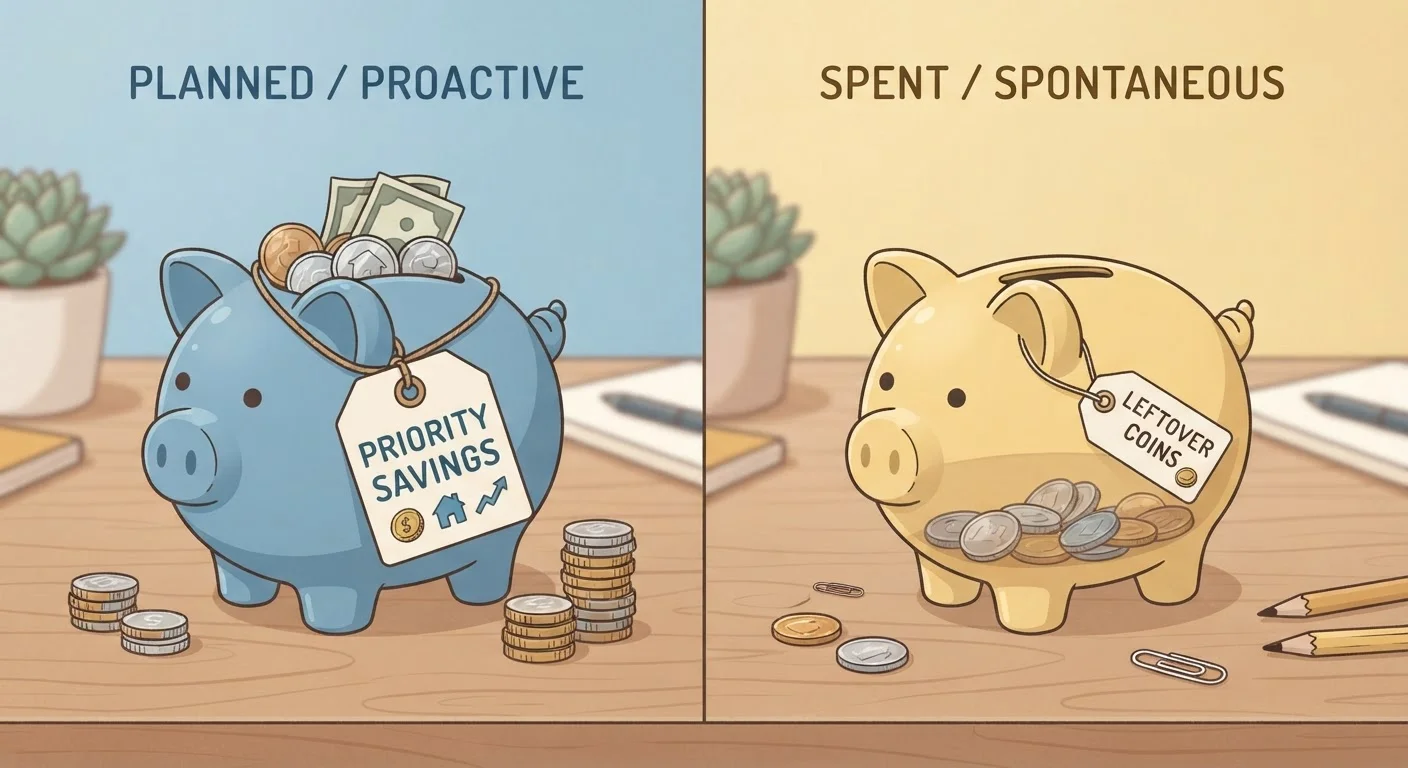
Pay-Yourself-First vs. Save-What's-Left: Two Schools of Saving Compared
These two saving philosophies lead to very different financial outcomes. Here's an honest …

Savings Myths That Keep Americans From Getting Ahead
Think you need a high income to save consistently? Or that a savings account is enough? Th…

Sinking Funds: How Dedicated Sub-Savings Accounts Work and Why They Help
A sinking fund sets money aside for a known future expense. This explainer covers how they…

Spending Cutbacks That Are Worth It-and Ones That Rarely Are
Not every sacrifice improves your financial picture. This guide weighs the real-world impa…
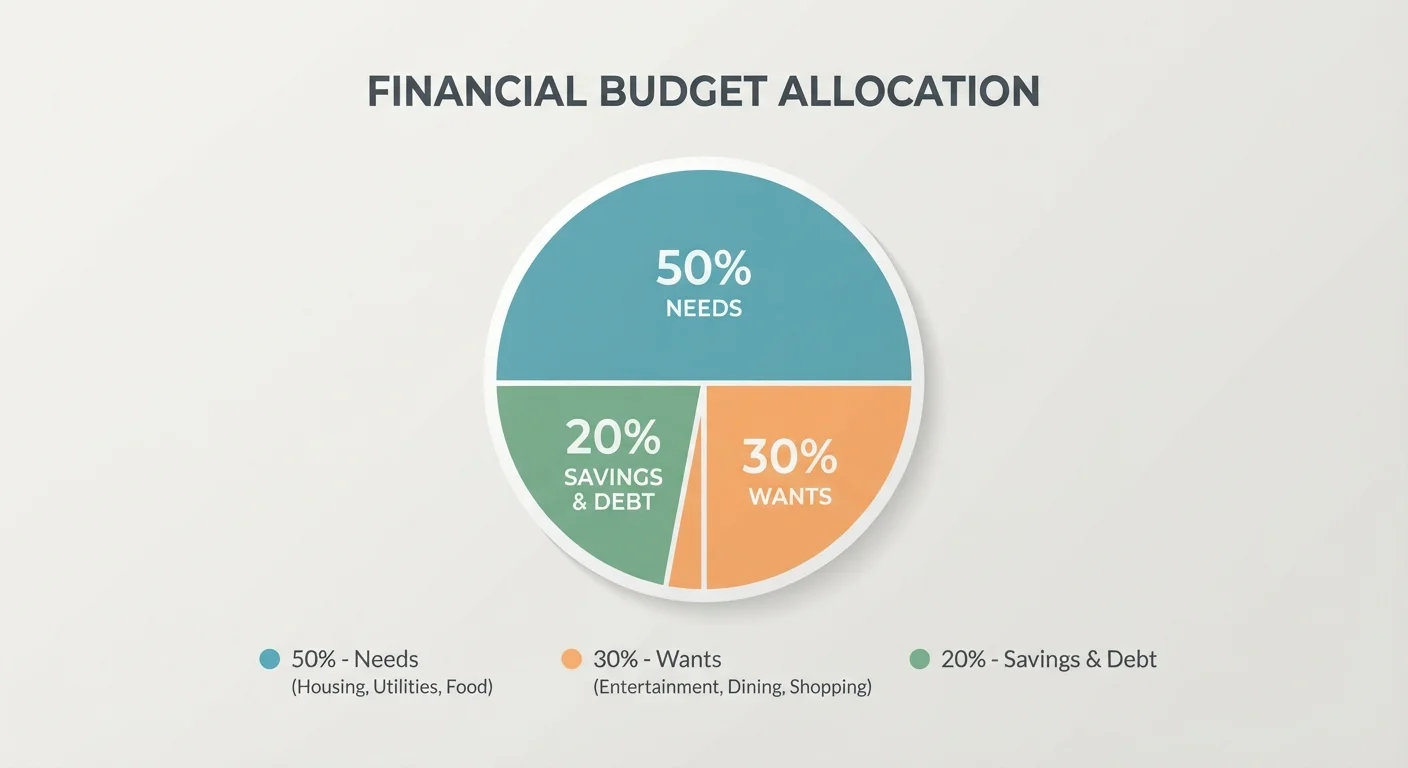
The 50/30/20 Rule Explained: A Framework for Everyday Budgeting
Learn how the 50/30/20 budgeting rule works, what counts as needs vs. wants, and whether t…

The Hidden Expenses That Derail Even Careful Budgeters
Annual fees, car maintenance, holiday gifts—irregular costs blindside even disciplined sav…

When Your Budget Needs a Reset: Signals That Your Current Plan Isn't Working
Constantly overspending one category? Feeling restricted without making progress? These ar…
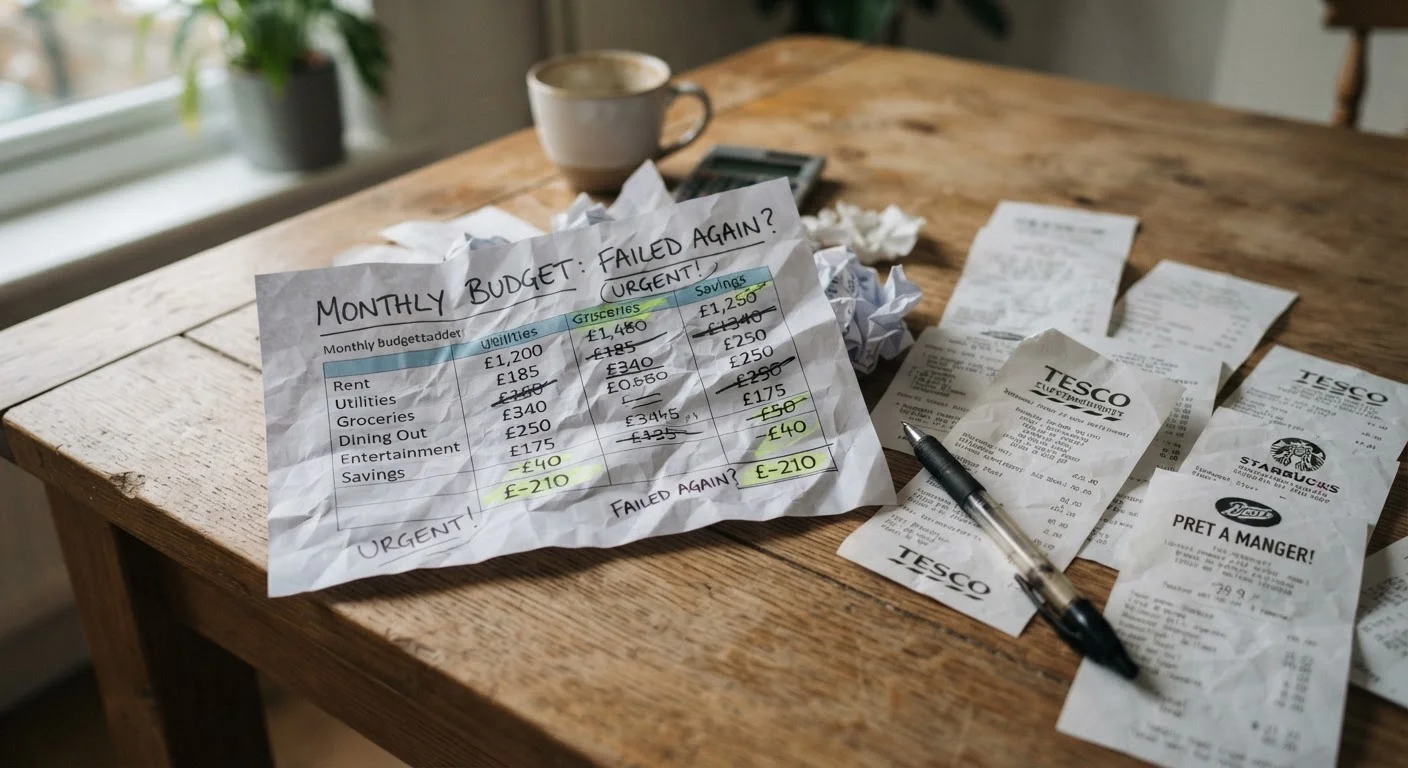
Why Most Budgets Fall Apart After Week Two
Overly rigid categories, forgotten irregular expenses, and all-or-nothing thinking are bud…

Zero-Based Budgeting vs. Envelope Budgeting: Which Structure Fits Your Life?
Zero-based and envelope budgeting both demand intentional spending—but they work very diff…

Building Credit From Zero: A Practical Starting Point
No credit history doesn't have to mean no options. Here's how to establish a credit profil…

Checking Your Credit Before a Major Financial Decision
Before applying for a loan or lease, use this checklist to review your credit report, spot…

Common Credit Score Myths That Can Hurt You Financially
Closing old cards helps your score. Checking it hurts you. These widely repeated beliefs a…
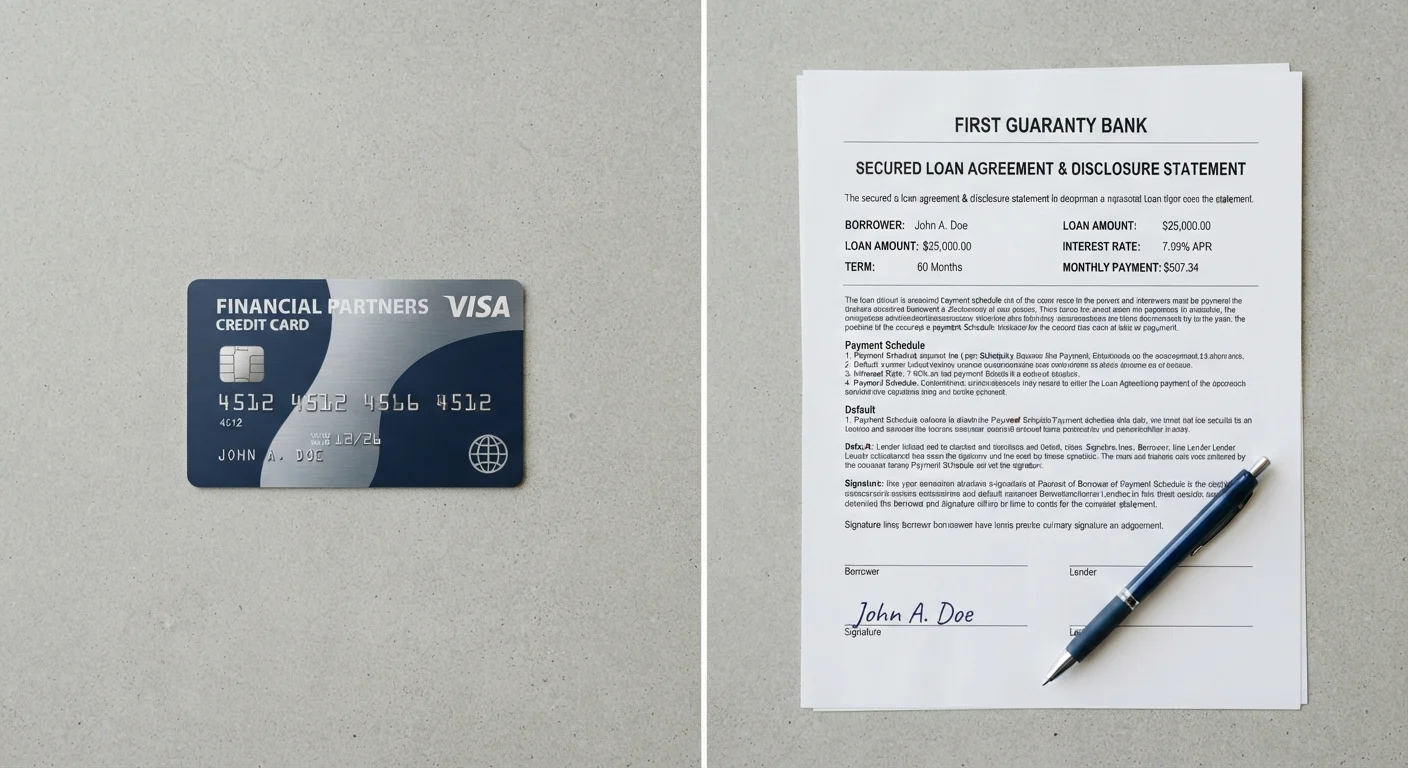
Credit Cards and Personal Loans: How Their Impact on Your Finances Differs
Revolving credit and installment loans work differently. See how each affects your budget,…
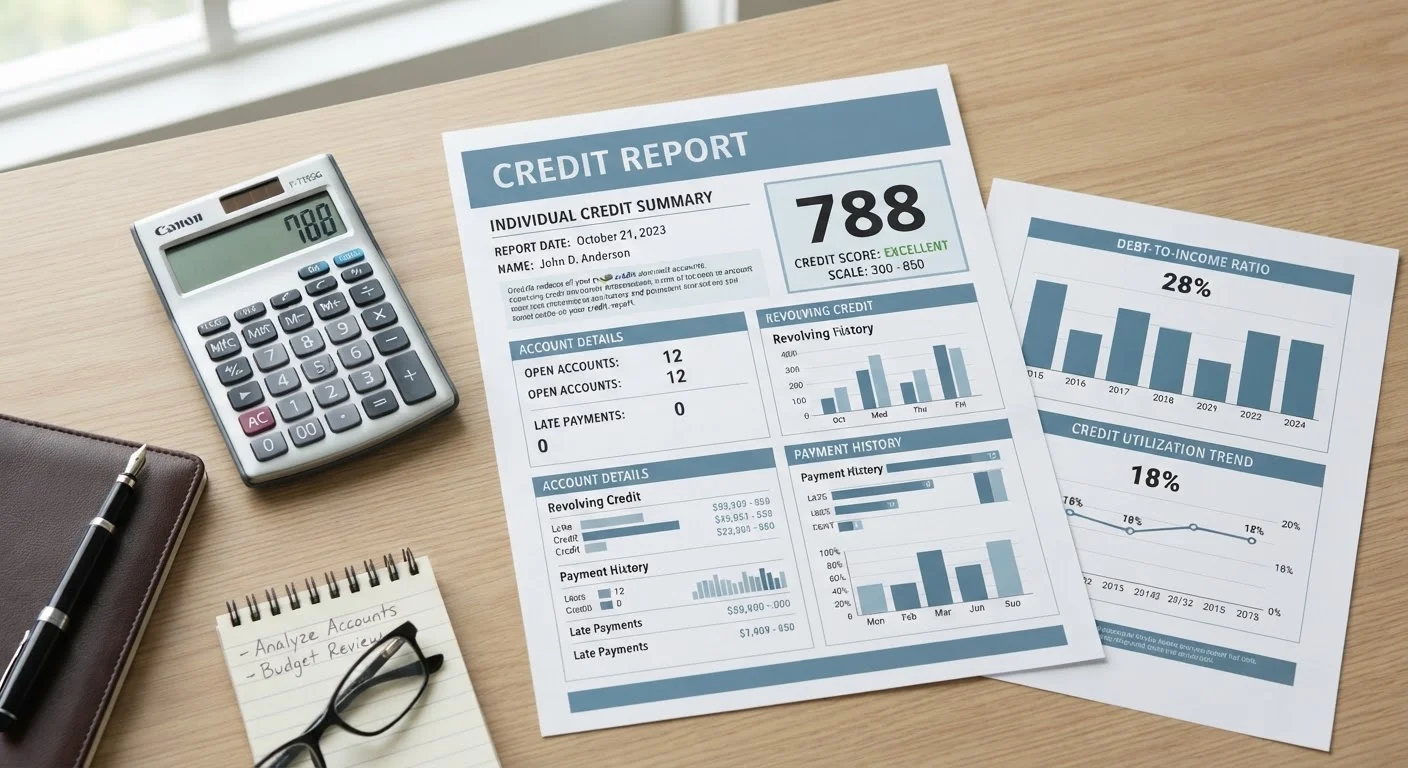
Credit Scores Explained: What the Number Actually Measures
Learn what a credit score really is, how it's calculated, and why different scores from di…
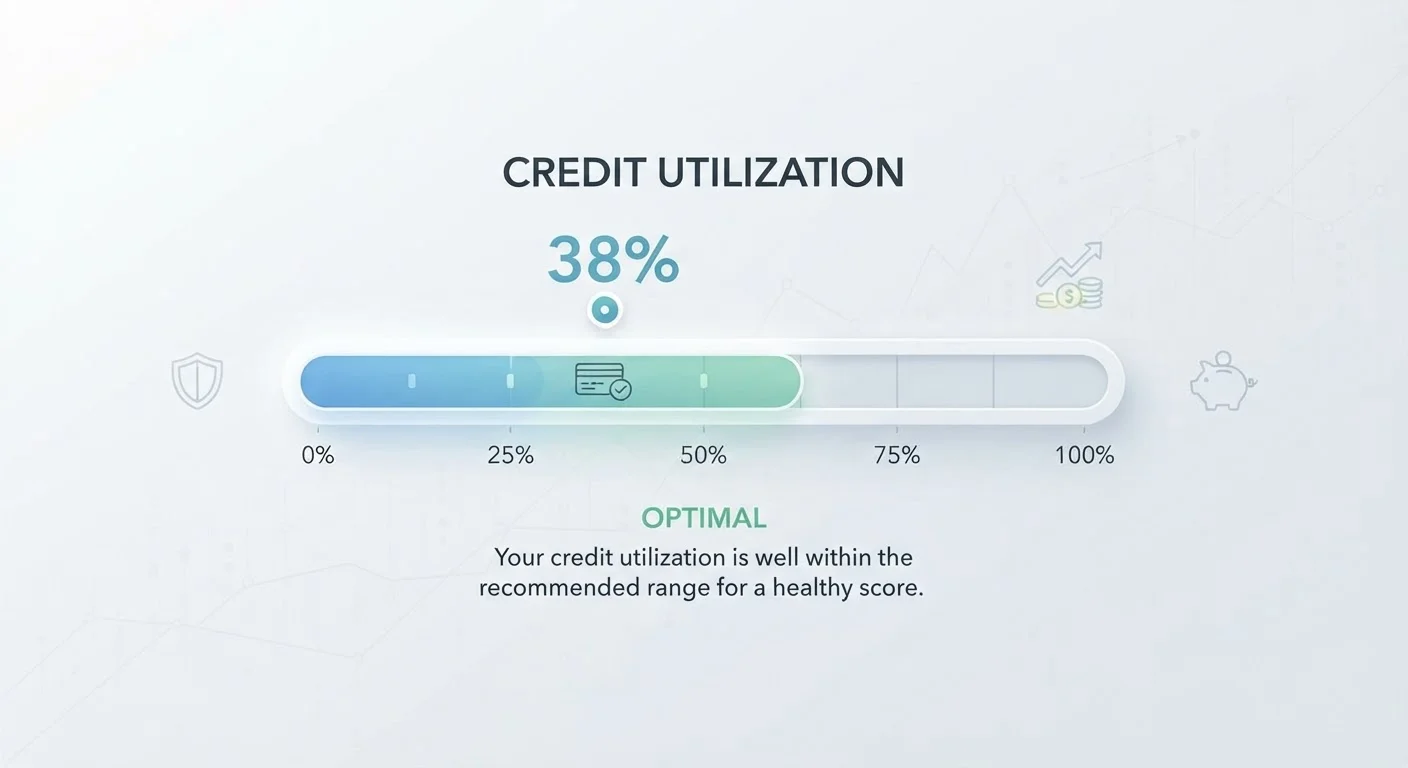
Credit Utilization: The Ratio That Quietly Shapes Your Score
How much of your available credit you use matters more than most people realize. Here's wh…

Debt Consolidation: What It Actually Does and When It Helps
Debt consolidation isn't a magic fix. Understand how it works, when it makes sense, and wh…

Disputing Errors on Your Credit Report
Inaccurate information on your credit report can lower your score unfairly. Learn how the …
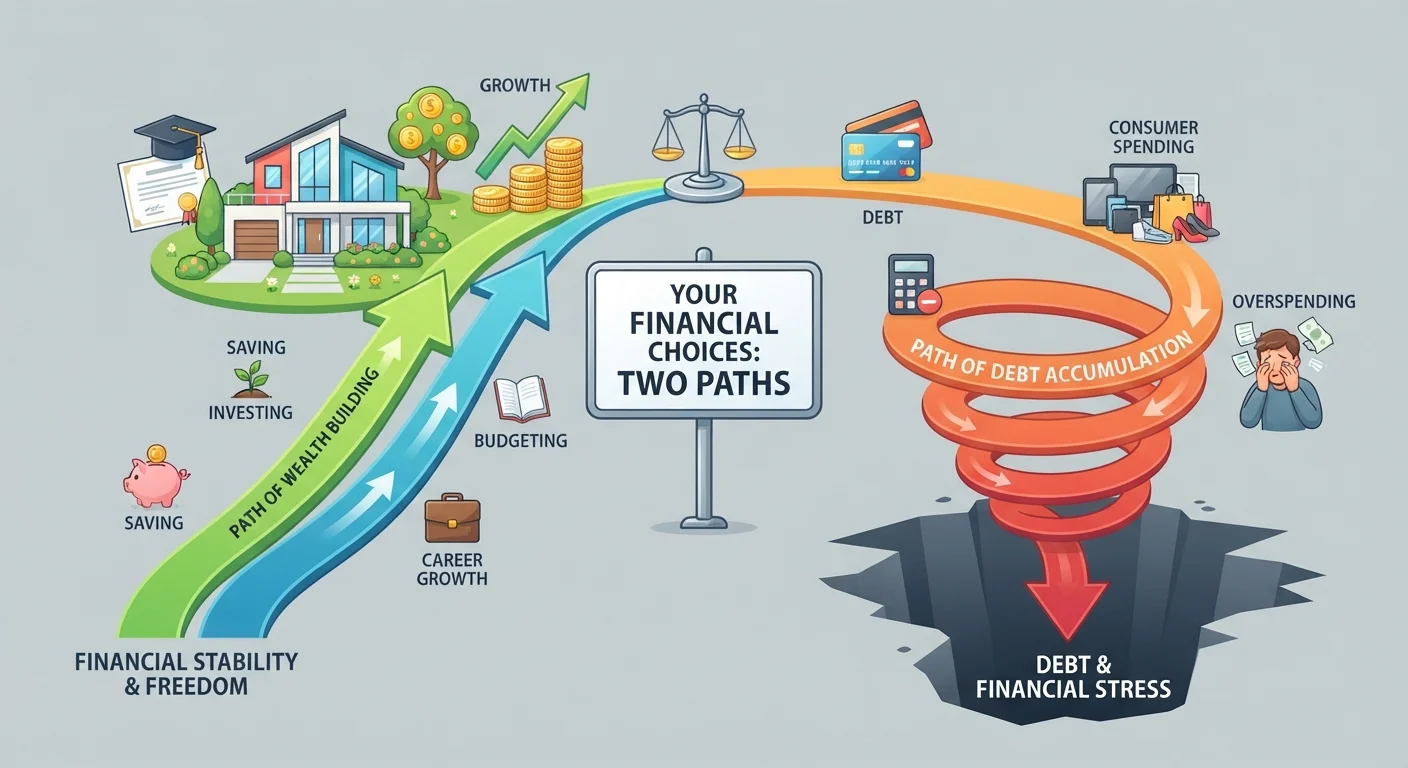
Good Debt vs. Bad Debt: A Distinction Worth Understanding
Not all debt works against you. Understand when borrowing can build wealth and when it qui…

Managing Debt Without a High Income: Strategies That Hold Up
Debt repayment isn't only a math problem—it's a budgeting challenge. Explore approaches th…
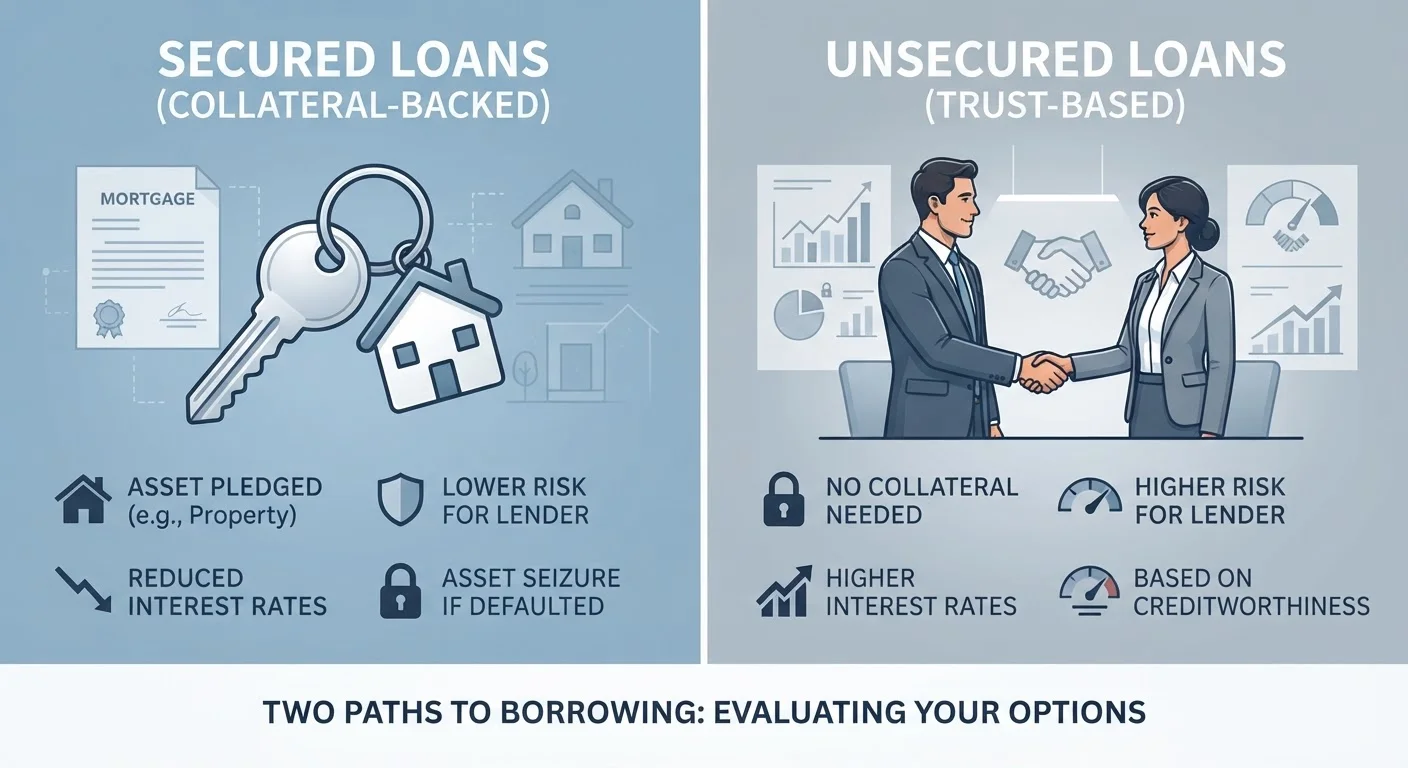
Secured vs. Unsecured Credit: What the Difference Means for Borrowers
Collateral-backed credit behaves very differently from unsecured lending. Here's what that…

The Debt Avalanche and Debt Snowball Methods: Which Suits You?
Two popular debt repayment strategies explained side by side—how they work, what they cost…
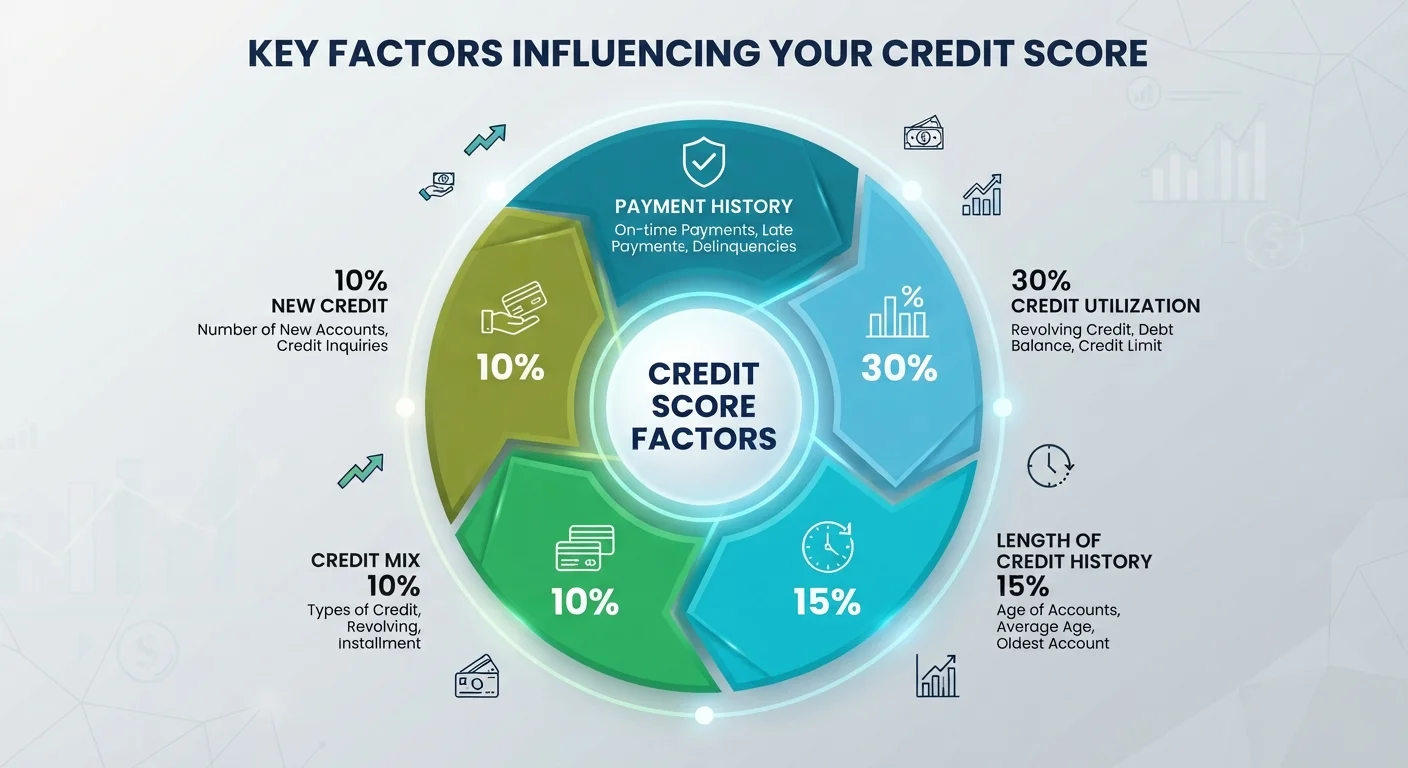
The Five Factors Behind Your Credit Score
Payment history, credit utilization, account age—here's a plain-language breakdown of ever…

Understanding Your Credit Report: A Field-by-Field Guide
Credit reports are dense and confusing. This walkthrough explains every section—accounts, …

What Happens When You Miss a Debt Payment
From late fees to collections to credit damage—here's a clear timeline of consequences tha…

Why Your Credit Score Dropped - And What Each Cause Means
A sudden dip in your credit score is alarming. Here are the most common triggers and what …

Asset Allocation Through Different Life Stages
The right mix of stocks, bonds, and other assets shifts as you age and your goals evolve. …

Before You Open a Brokerage Account: A Readiness Checklist
Make sure your financial foundation is solid before you start investing. This checklist co…
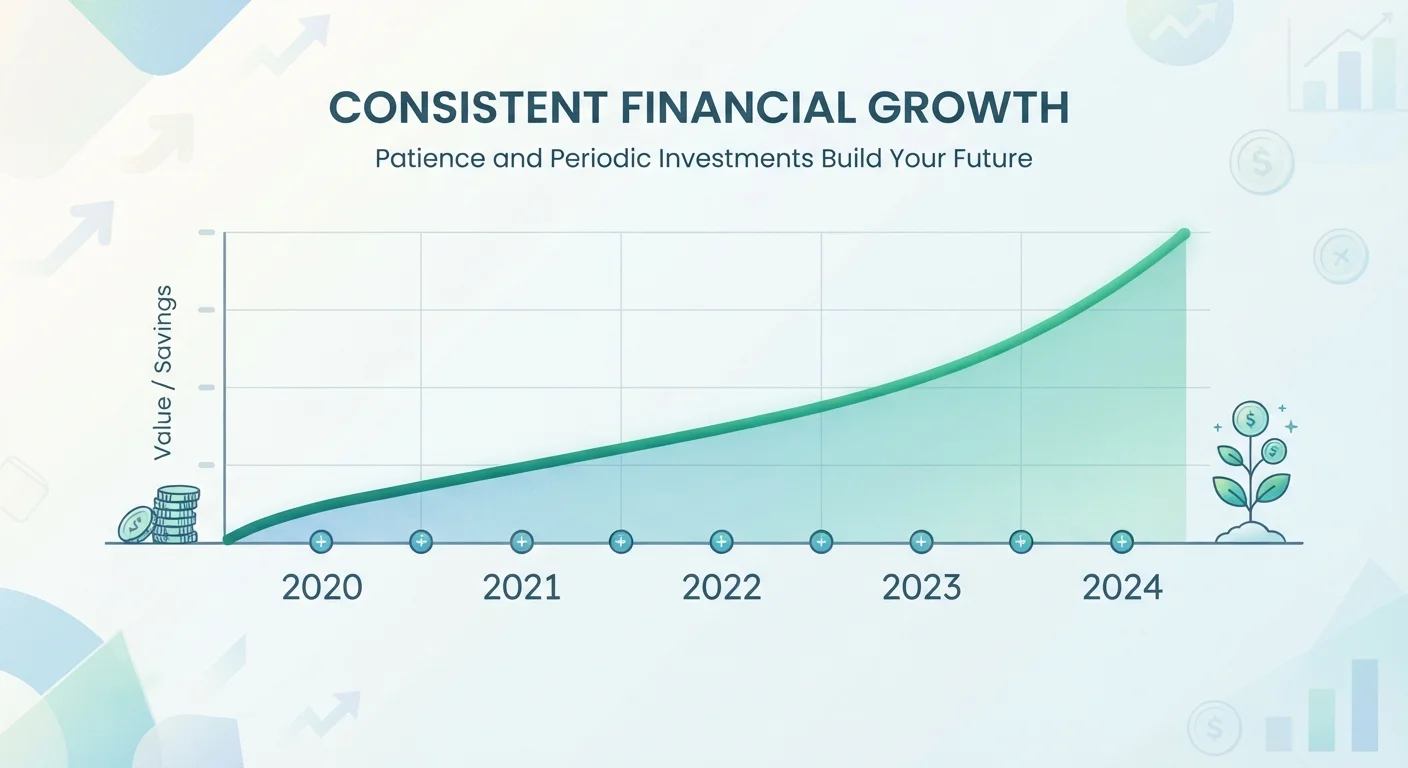
Dollar-Cost Averaging: A Steady Approach to Market Volatility
Dollar-cost averaging means investing fixed amounts on a regular schedule, regardless of m…
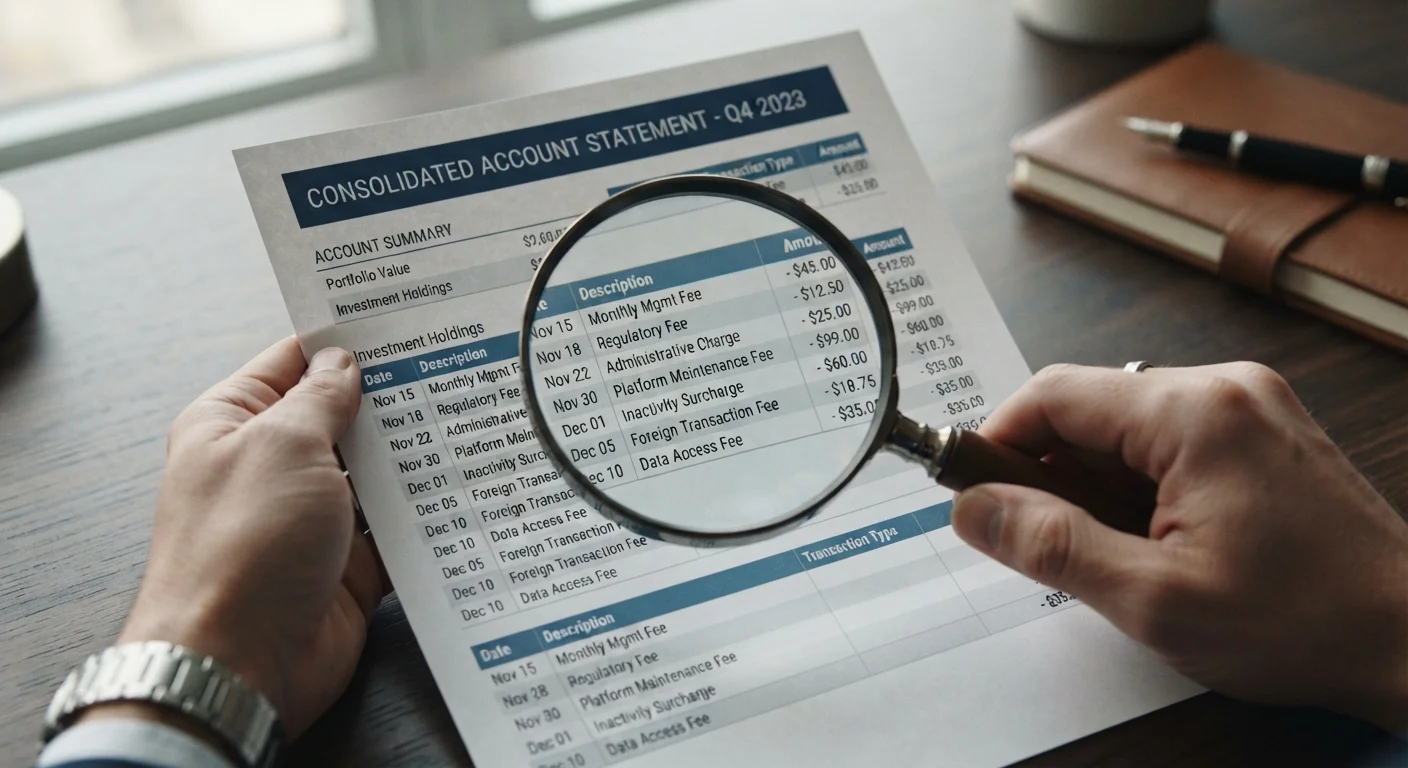
Fees That Quietly Erode Investment Returns
Expense ratios, trading commissions, and account fees may seem small, but they compound ag…

Index Funds vs. Actively Managed Funds
Index funds track the market passively; actively managed funds try to beat it. See how cos…

Investing Myths That Keep Everyday Americans on the Sidelines
From 'you need a lot of money to start' to 'the stock market is just gambling' — these com…

Reading a Brokerage Statement Without Getting Lost
Brokerage statements can feel overwhelming at first. This walkthrough explains every major…

Rebalancing a Portfolio: What It Means and When to Do It
Over time, market moves shift your portfolio away from its original allocation. Learn what…

Starting to Invest on a Tight Budget
You don't need a large sum to begin investing. This guide walks through realistic, low-bar…

Stocks, Bonds, and Cash: Understanding the Building Blocks of a Portfolio
Stocks, bonds, and cash each play a different role in a portfolio. Here's what each asset …

Tax-Advantaged Accounts Every New Investor Should Understand
401(k)s, IRAs, and HSAs offer different tax benefits that can meaningfully affect long-ter…

The Real Meaning of Risk Tolerance - and Why Yours Matters
Risk tolerance isn't just about comfort with losses — it shapes every investment decision …

Timing the Market vs. Time in the Market
Trying to predict market highs and lows is notoriously difficult. Explore what the researc…
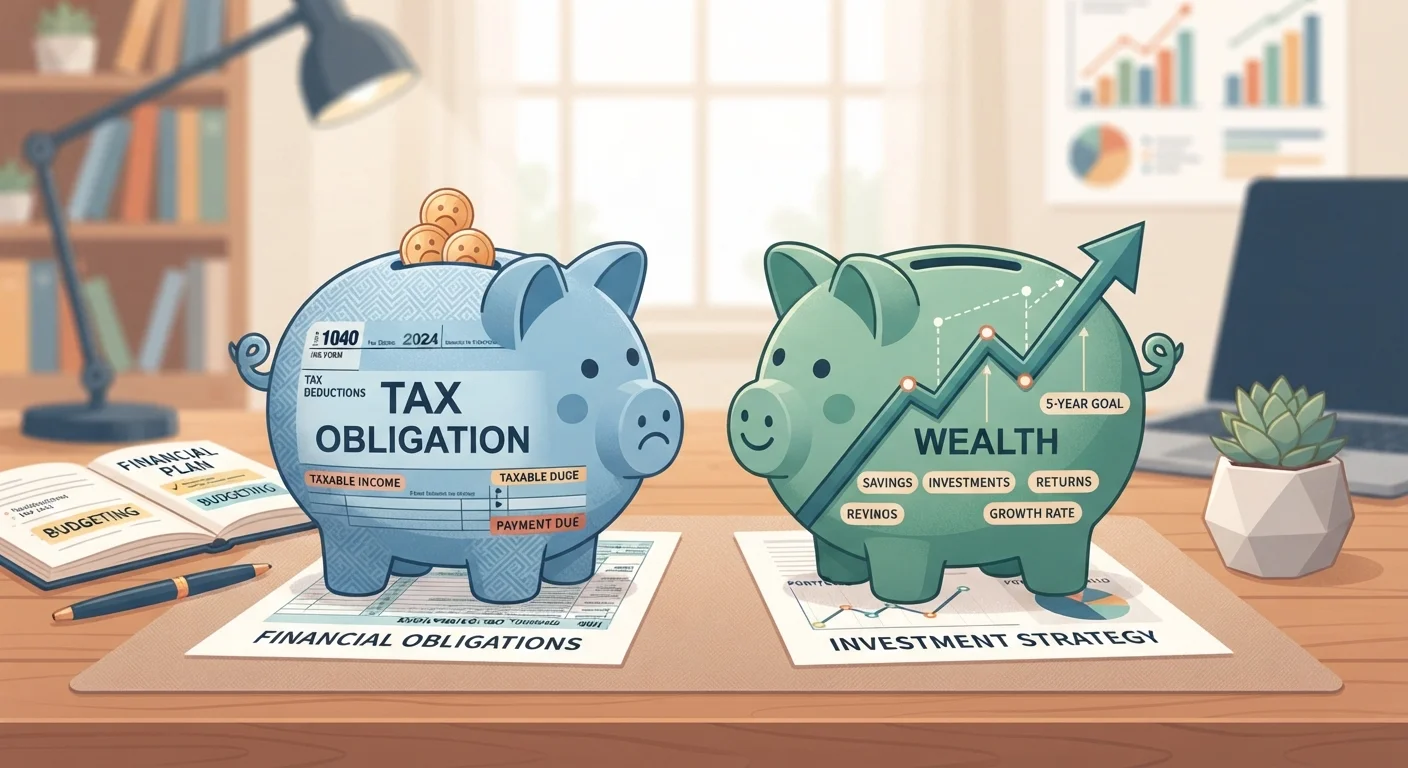
Traditional IRA vs. Roth IRA: Which Tax Advantage Fits Your Situation?
Both IRAs offer tax benefits, but they work very differently. Compare how each is taxed, w…
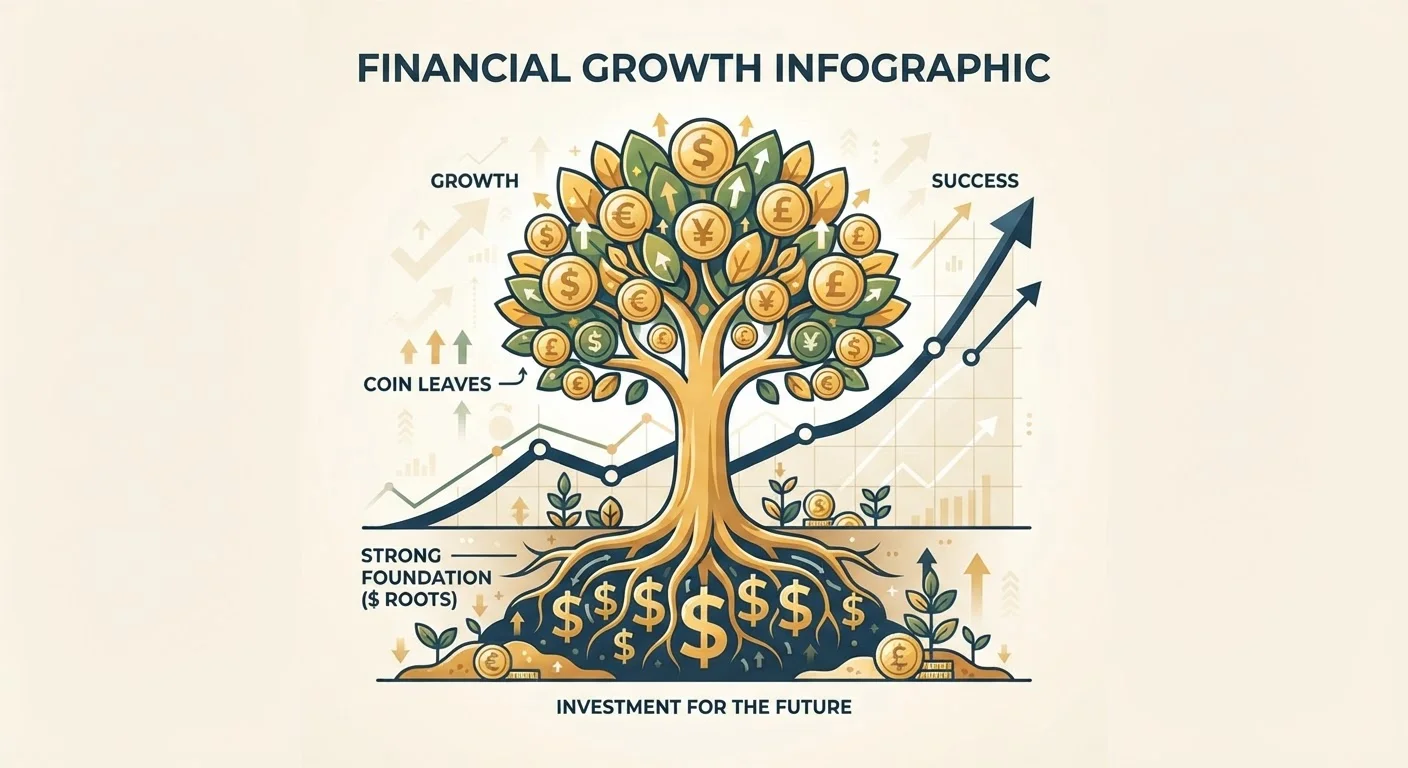
What Compound Interest Actually Does to Your Money Over Time
Compound interest is the engine behind long-term wealth building. Learn how it works, why …

Why Diversification Is More Than Just 'Don't Put All Your Eggs in One Basket'
Diversification reduces risk, but the logic runs deeper than a familiar saying. Understand…