

Cars & Driving

A Driver's Seasonal Car Care Checklist

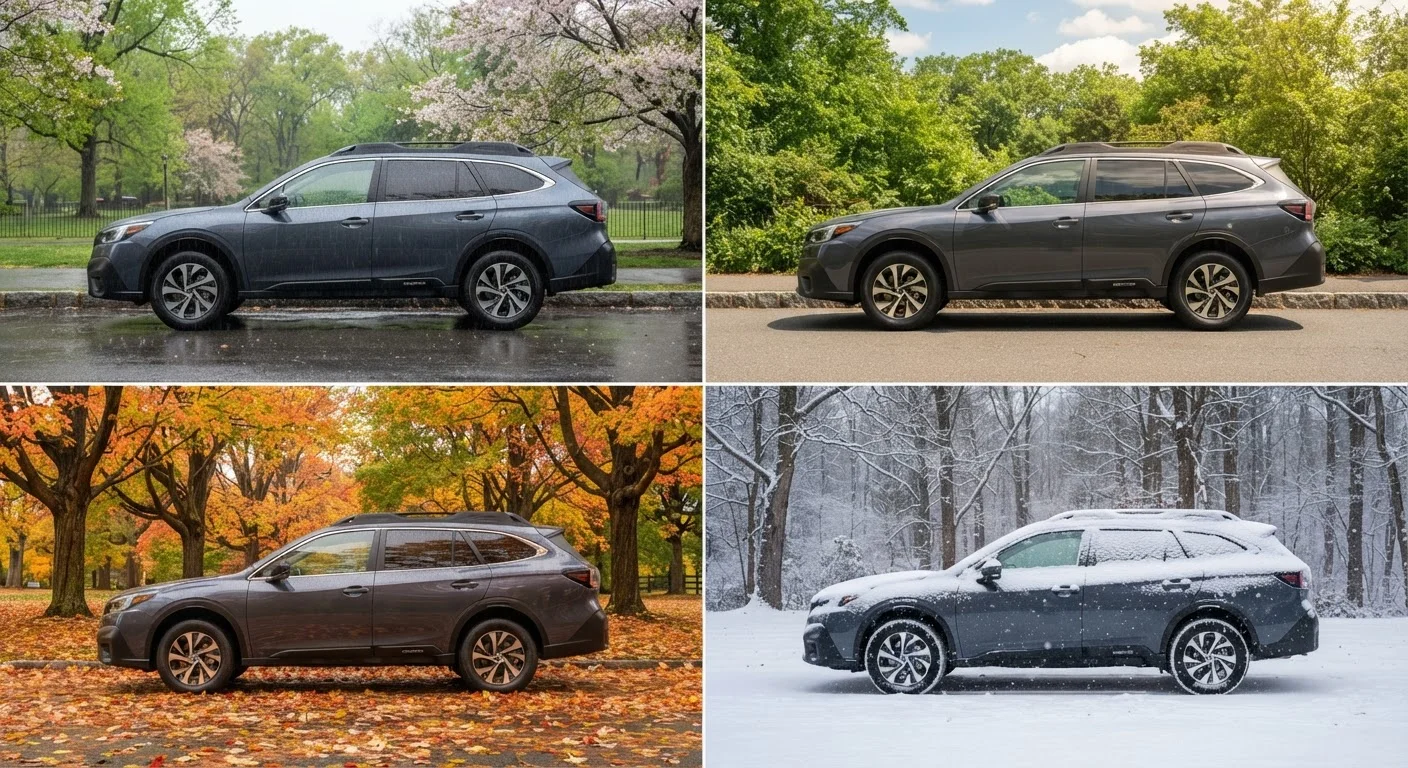
A car shown across four seasons: spring rain, summer sun, autumn leaves, and winter snow

Key Takeaways

  • Seasonal maintenance prevents small issues from becoming costly repairs.
  • Tires, fluids, brakes, and filters each need attention as conditions change.
  • Your owner's manual sets the maintenance intervals designed for your specific vehicle.
  • Some checks are visual and take minutes; others require a qualified mechanic.
  • Staying consistent with seasonal care supports your vehicle's long-term reliability.
30–60 min

Summary

24 items · 30–60 minutes per seasonal check

Why Seasonal Checks Matter More Than You Might Think

Most drivers are aware they should change their oil periodically — but routine maintenance goes far beyond that single task. Temperature swings, road conditions, and driving patterns shift dramatically from season to season, and your car's components respond to every one of those changes. Brake fluid absorbs moisture over time. Tire pressure drops as temperatures fall. Battery cold-cranking capacity weakens in winter. Without a structured approach, it's easy for critical items to slip through the cracks.

This checklist organizes essential car care tasks by season so you can work through them systematically. It covers four seasonal transition points: spring, summer, fall, and winter. Some items are things you can check yourself in a driveway; others call for a qualified mechanic. Neither type is optional — both keep you safer and your vehicle in better shape over the long run.

For a deeper dive into the specific fluids involved — from coolant to brake fluid to power steering fluid — see our guide to vehicle fluids. And if you haven't cracked open your owner's manual lately, it contains the manufacturer-specified maintenance schedule for your exact vehicle — our article on getting the most from your owner's manual explains how to use it effectively.

Spring — Recover from Winter

Inspect tires for winter wear, cracking, or low tread depth using the penny test (insert a penny into a groove — if you can see the top of Lincoln's head, tread is dangerously low). Must
Check and adjust tire pressure to the specification in your owner's manual or door jamb sticker, as pressure may have dropped during cold months. Must
Inspect the undercarriage for rust or damage caused by road salt — focus on brake lines, fuel lines, and exhaust components. Must
Top up or replace windshield washer fluid with a spring-formula concentrate, swapping out any remaining winter antifreeze mix. Should
Check wiper blades for streaking or splitting and replace if they smear rather than clear cleanly. Should
Test all exterior lights — headlights, taillights, brake lights, and turn signals — after months of heavy reliance on them in low-visibility winter conditions. Should

Summer — Prepare for Heat

Check the coolant level and condition — the coolant prevents engine overheating and should be at the full line in the reservoir when the engine is cold. Must
Inspect the serpentine belt (the long belt that drives your alternator, power steering pump, and air conditioning compressor) for cracking or fraying; have it replaced by a mechanic if worn. Must
Have the air conditioning system checked if it's blowing warm or weak — a refrigerant service is best performed by a certified technician. Should
Check tire pressure more frequently during summer, as heat causes air to expand and can push tires toward the maximum pressure limit. Should
Replace the cabin air filter if it hasn't been done within the past 12–15 months — a clogged filter reduces AC efficiency and air quality. Should
Keep a sun shade in the car to reduce interior heat buildup and protect the dashboard from UV cracking over time. Nice to have

Fall — Get Ready for Cold

Have the battery tested — cold weather reduces battery capacity, and a battery that's marginal in fall will likely fail in winter. Must
Check antifreeze (coolant) concentration using an inexpensive test strip or hydrometer to confirm it's rated for your region's minimum expected temperature. Must
Inspect brake pads and rotors — wet fall roads demand reliable stopping power, and worn pads are a safety risk in any season. Must
Switch to winter tires if you live in a region with consistent snow and ice — all-season tires have significantly reduced grip below approximately 45°F (7°C). Should
Replace wiper blades with winter-rated versions that resist ice and snow buildup on the blade frame. Should
Check and refill washer fluid with a winter-rated formula rated to at least -20°F to prevent the reservoir and lines from freezing. Must

Winter — Maintain Through the Cold

Keep the gas tank at least half full to prevent moisture from accumulating in the fuel system and to add weight over the rear wheels for better traction. Should
Check tire pressure regularly — tire pressure drops roughly 1 PSI for every 10°F decrease in temperature. Must
Keep an emergency kit in the vehicle containing a blanket, ice scraper, jumper cables or a jump starter, a flashlight, and basic first aid supplies. Should
Inspect the 4WD or AWD system engagement if your vehicle has one — confirm it operates correctly before conditions demand it. Should
Check all fluid levels mid-season, including oil, brake fluid, and power steering fluid, as cold thickens fluids and accelerates consumption. Must
Clear snow and ice from all windows, mirrors, lights, and the roof before driving — not just the windshield. Must

How to Use This Checklist

Work through the appropriate seasonal group at each weather transition — roughly every three months. Not every item will apply to every vehicle or climate zone, so use your owner's manual and your own driving conditions as a guide. Items marked must are non-negotiable for safety and reliability. Items marked should are strongly recommended. Nice-to-have items are enhancements that extend comfort or longevity.

Don't Skip Brake and Suspension Inspections

Brake wear and suspension problems are not always visible to the untrained eye. If you notice any pulling, grinding, vibration, or longer-than-normal stopping distances, have a qualified mechanic inspect the system before continuing to drive. These are safety-critical components — attempting a DIY diagnosis without proper training can lead to missed defects and serious risk on the road.

If you're uncertain about any inspection — especially brakes, steering, or suspension — have a licensed mechanic perform it. Some components are safety-critical and are not suited to amateur diagnosis. This checklist is a planning and awareness tool, not a substitute for professional service.

Consistent seasonal attention pays dividends: see our overview of the long-term payoff of routine maintenance for the full picture. Before any long drive, also consider pairing this checklist with a pre-trip safety walk-around for added confidence. When weather does change suddenly, knowing how to adapt your driving matters just as much as vehicle readiness — our article on driving in rain, fog, and snow covers technique for each condition.

Required

Tire Pressure Gauge

Used to accurately measure tire inflation across all four seasons — digital or stick-style gauges are both effective.

Required

Coolant Test Strips

Inexpensive strips that confirm your antifreeze is concentrated enough to handle your region's low temperatures.

Required

Battery Tester

Checks the cold-cranking amps remaining in your battery before winter; many auto parts stores test batteries at no charge.

Optional

Flashlight or Inspection Light

Helps you inspect brake lines, belts, and undercarriage components in low-light conditions.

Required

Vehicle Owner's Manual

Contains your manufacturer's maintenance schedule, fluid specifications, and tire pressure recommendations for your specific vehicle.

Optional

Jump Starter Pack

A portable battery pack that allows you to restart a dead vehicle without needing another car — especially useful in winter.

Cars & Driving Editorial Team is the collective byline for our editorial team and contributor network. Articles published under this byline or an editorial pen name are researched, written, and reviewed according to our editorial standards for clarity, consistency, and independence before publication.

View all articles by Cars & Driving Editorial Team →
Disclaimer: The content on this site is provided for informational purposes only and should not be considered a substitute for professional advice. While we strive to provide accurate and up-to-date information, we make no guarantees regarding its completeness or accuracy. Always consult a qualified professional for advice specific to your circumstances before making any decisions.