
Emergency Funds: What They Are, How Big They Should Be, and Where to Keep Them

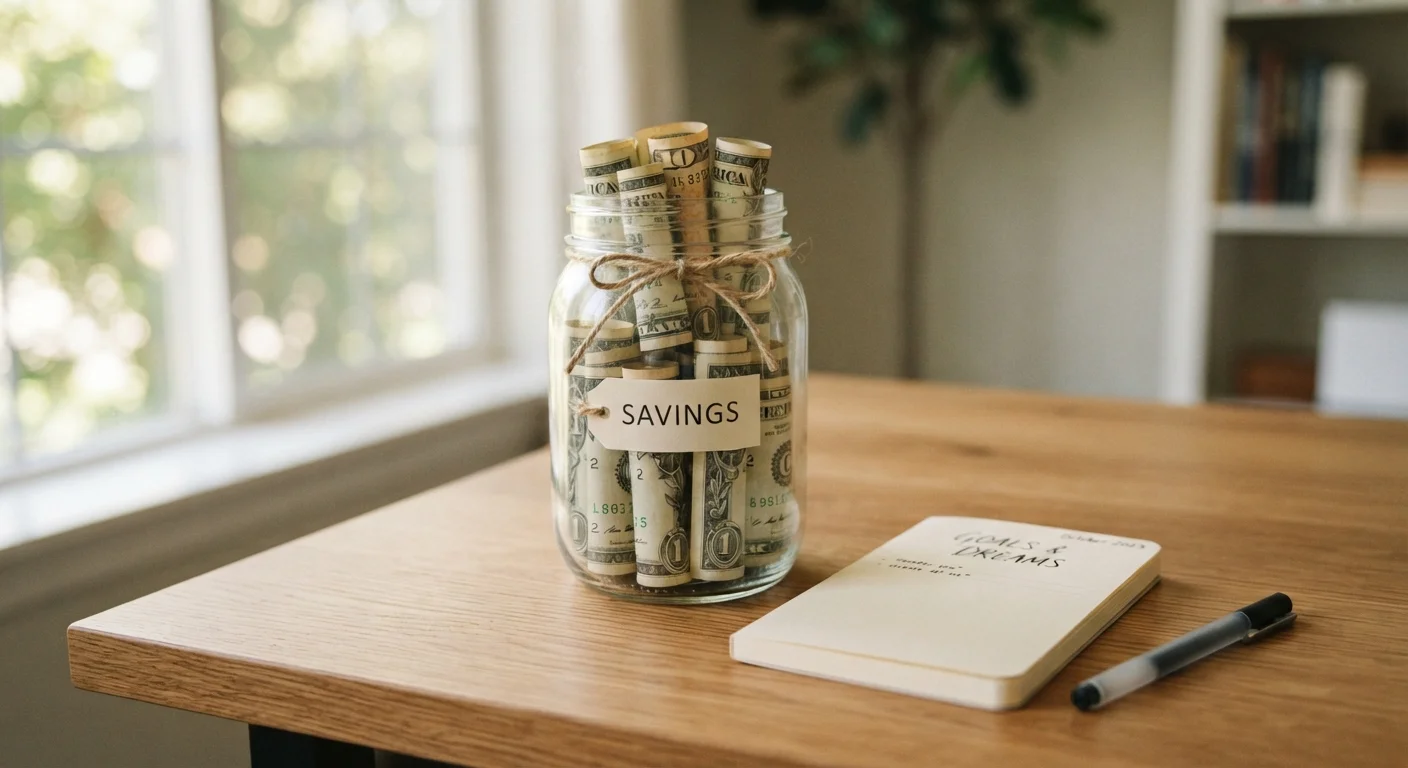
Key Takeaways
- An emergency fund covers unplanned, necessary expenses - not predictable costs like annual car registration.
- Most financial educators recommend saving three to six months of essential living expenses.
- Higher-risk situations - like variable income or dependents - may warrant a larger cushion of six to twelve months.
- High-yield savings accounts and money market accounts are the most practical places to keep emergency funds.
- Building the fund gradually through consistent, automatic contributions is more effective than waiting for a windfall.
- Once established, an emergency fund makes it safer and more logical to pursue investing goals.
Emergency Fund
An emergency fund is a dedicated pool of savings set aside exclusively for unexpected, necessary expenses - things like a sudden job loss, an urgent medical bill, or a major car repair. It acts as a financial buffer that lets you handle life's surprises without going into debt. Unlike regular savings or investment accounts, this money is kept liquid and separate, so it's available when you need it most.
In personal finance literature, an emergency fund is often classified as part of a household's liquidity reserve - distinct from both short-term sinking funds and long-term investment capital.
Why an Emergency Fund Is the Foundation of Financial Stability
Before investing, paying down debt aggressively, or pursuing savings goals, most personal finance frameworks place an emergency fund at the very base of the financial hierarchy. The reason is straightforward: without a liquid cushion, any unexpected expense - a layoff, a burst pipe, an ER visit - can quickly become a debt problem.
Roughly 4 in 10 American adults would have difficulty covering an unexpected $400 expense with cash alone, according to Federal Reserve survey data. That gap between what life costs in a crisis and what households have readily available is exactly what an emergency fund is designed to close.
It's worth being clear about what this fund is not. It isn't an investment vehicle, a down payment account, or a general savings pool. It is a single-purpose reserve that stays liquid and untouched until a genuine emergency arises. If you're looking for a structure to save for predictable large expenses, a sinking fund serves that purpose differently.
~4 in 10
Adults who couldn't cover a $400 emergency with cash
According to the Federal Reserve's Report on the Economic Well-Being of U.S. Households.
3-6 months
Recommended months of expenses to save
The range most widely cited by financial educators and nonprofit financial counseling organizations.
6-12 months
Recommended reserve for variable-income earners
Freelancers, contractors, and commission-based workers typically face higher income volatility, warranting a larger buffer.
How Much Is Enough? Sizing Your Emergency Fund
The widely cited benchmark is three to six months of essential living expenses - meaning the baseline costs you'd need to cover even in a worst-case scenario: housing, utilities, groceries, minimum debt payments, and health insurance premiums. This is not three to six months of your take-home pay or discretionary spending.
The right target depends on your risk profile:
- Lower risk situations: Two earners in the household, stable salaried employment, no dependents - a three-month fund may be adequate.
- Higher risk situations: Self-employed, commission-based income, single-income household, or working in a volatile industry - consider targeting six to twelve months of expenses.
- Health considerations: Households with ongoing medical expenses or high-deductible health plans may benefit from the upper end of the range.
If starting from zero, don't let the full target feel paralyzing. A practical starting point is a $1,000 mini-emergency fund, which covers the most common small crises. From there, you build toward the full target incrementally.
Start With a Concrete Dollar Target
Rather than working backward from a percentage of income, calculate your actual essential monthly expenses - rent, utilities, groceries, insurance, minimum debt payments - and multiply by your target number of months. This gives you a specific savings goal, which is far more motivating than a vague range. Update the calculation whenever your core expenses change significantly.
Where to Keep Your Emergency Fund
Emergency fund placement involves a balance between two needs: accessibility and return. The money must be reachable within one to two business days without penalties, but ideally it should also earn more than it would sitting in a standard checking account.
The most practical options:
- High-yield savings accounts (HYSAs): Offered by many online banks and credit unions, these accounts are FDIC-insured (up to $250,000 per depositor, per institution) and typically pay significantly higher interest than traditional savings accounts.
- Money market accounts: Similar to HYSAs in many respects, these sometimes offer check-writing or debit access, though they may carry minimum balance requirements.
- Traditional savings accounts at a local bank or credit union: Lower yields, but familiar access. Suitable if convenience or relationships with your institution matter to you.
Options to avoid for this specific purpose include CDs (certificates of deposit) with fixed terms, brokerage investment accounts, and retirement accounts - all of which carry early withdrawal penalties, market risk, or delayed access.
Keeping your emergency fund at a different institution than your everyday checking account is a commonly recommended strategy. Slight friction reduces the temptation to dip into it for non-emergencies.
Building the Fund: Practical Strategies
For most people, the challenge isn't understanding the concept - it's consistently contributing to it. The most effective approach is to automate the behavior. Setting up a recurring transfer tied to your pay schedule removes willpower from the equation.
A few frameworks worth considering:
- The pay-yourself-first approach - treating the emergency fund contribution as a non-negotiable bill - tends to work well for people who otherwise spend what's available.
- Budgeting methods that allocate spending by category, like those explored in zero-based or envelope budgeting, can carve out a specific line item for emergency savings each month.
Windfalls - tax refunds, bonuses, or gift money - can meaningfully accelerate progress without requiring changes to your monthly budget. Directing even a portion of an unexpected sum toward the fund can shave months off the timeline.
A salaried teacher has an unexpected HVAC system failure in July. The repair costs $2,800.
A freelance graphic designer loses two major clients in the same month, cutting his income by more than half for nearly three months.
A couple keeps their emergency savings in the same account they use for daily spending.
A recent college graduate starts with a $25 automatic weekly transfer to a dedicated savings account.
What Comes After the Emergency Fund
A fully funded emergency fund is a milestone, not an endpoint. Once it's in place and maintained, you're positioned to take on more productive financial goals with confidence - including paying down high-interest debt more aggressively and beginning to invest.
Because your financial foundation is secure, a market downturn or a rough month at work doesn't force you to liquidate investments at the wrong time. That stability is part of why financial educators typically recommend establishing this fund before entering the world of investing. If you're ready to explore what comes next, starting to invest on a tight budget offers a grounded look at how to begin.
Revisit your emergency fund target periodically - after a major life change like a new dependent, a move to a higher cost-of-living area, or a career shift. The fund that was right for your situation two years ago may need to grow.
This article is for general informational and educational purposes only and does not constitute personalized financial, tax, or legal advice. Consult a qualified financial professional for guidance specific to your situation.