

Key Takeaways
- Small repairs left unaddressed almost always grow into larger, more expensive problems over time.
- Water infiltration is one of the fastest ways minor damage escalates into structural issues.
- Routine seasonal walkthroughs catch the majority of problems while they're still inexpensive to fix.
- Deferred maintenance can reduce a home's resale value and complicate insurance claims.
- Knowing when to call a professional - not just when to DIY - is part of smart home maintenance.
Deferred Maintenance
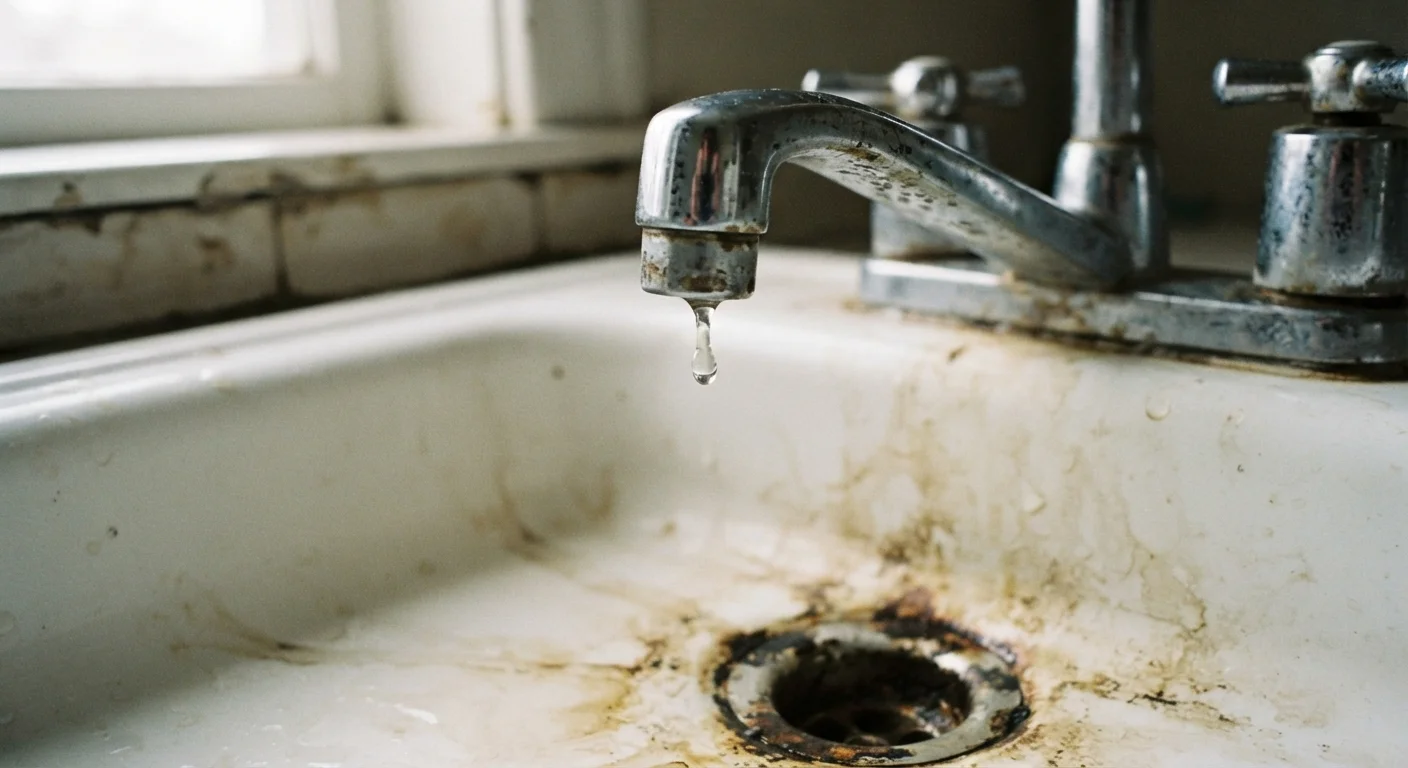
Deferred maintenance means intentionally or unintentionally postponing needed repairs - cracked caulk, dripping faucets, loose shingles - until a later date. While each issue may look minor on its own, delayed repairs almost always worsen over time, drawing in moisture, pests, or structural stress. What costs $50 to fix today can easily cost $5,000 or more after a season of neglect.
In property appraisal, deferred maintenance is documented as a form of physical depreciation that directly reduces a home's assessed market value.
Why Small Problems Don't Stay Small
Most homeowners know they should address repairs promptly - but it's easy to rationalize waiting. A slow drip under the bathroom sink, a hairline crack in the caulk around a window frame, a single missing shingle after a windstorm: none of these feel urgent. They feel like background noise.
The problem is that a home is an interconnected system, and small failures are rarely contained. Water finds paths through cracks. Pests find gaps around pipes. Wood flexes when joints aren't sealed, inviting rot. The repair that could have been a $30 tube of caulk and an afternoon becomes a $3,000 window replacement when moisture quietly works behind the frame for two winters.
This pattern - where small neglected problems compound into large structural ones - is the core of what makes deferred maintenance so financially dangerous for homeowners.
$1 to $4
Cost ratio of deferred versus timely repairs
Industry estimates from home inspection and construction professionals commonly suggest that every $1 of deferred maintenance generates $4 or more in future repair costs, though the ratio varies by system and climate.
24-48 hrs
Time for mold growth to begin after water exposure
According to the U.S. Environmental Protection Agency, mold can begin to grow on wet building materials within 24 to 48 hours under the right conditions.
~35%
Of home insurance claims involve water and freezing damage
The Insurance Information Institute has reported that water damage and freezing consistently rank among the most common homeowners insurance claims categories.
The Cascade Effect: How One Issue Triggers Another
Deferred maintenance rarely causes a single isolated problem. More often, it sets off a cascade. Consider a clogged gutter: water backs up, overflows against the fascia board, saturates the wood, and eventually works under the roofline. From there, insulation gets wet, drywall in the room below develops staining, and mold begins forming in hidden cavities. What started as a debris-clearing task - typically a DIY job taking under an hour - can spiral into roofing, carpentry, and remediation work costing several thousand dollars.
The same logic applies to plumbing. A slow drip around a supply line fitting often signals a fitting that's slightly loose or a washer that's beginning to fail. Left alone, persistent moisture under a sink warps the cabinet floor, promotes mold, and can eventually compromise subflooring beneath. Our guide to keeping your plumbing healthy without opening a wall covers simple habits that interrupt this cycle before it starts.
Notably, this isn't unique to homes. The same compounding neglect affects vehicles - a pattern explored in our piece on why ignoring small car problems turns into big repair bills. The underlying principle is the same: deferred maintenance shifts costs upward, reliably and predictably.
What Deferred Maintenance Actually Costs You
Beyond direct repair bills, deferred maintenance carries less visible financial consequences that catch many homeowners off guard.
- Reduced resale value. Home appraisers and inspectors are trained to identify signs of neglect. Visible deferred work - stained ceilings, damaged caulk, deteriorating trim - is documented as physical depreciation and directly lowers appraised value. Buyers also factor the cost of catching up on repairs into their offers, sometimes aggressively.
- Insurance gaps. Standard homeowners insurance policies are designed to cover sudden, accidental damage - not gradual deterioration. If an adjuster determines that a claim resulted from prolonged neglect rather than an unexpected event, the claim may be denied. This is especially common with water damage. For more on how these distinctions play out, see our article on water damage myths that cost homeowners money.
- Budget disruption. Emergency repairs rarely arrive at convenient times, and they almost always cost more than planned maintenance would have. These sudden large expenses are a leading cause of financial disruption for otherwise careful budgeters - a dynamic explored in our piece on hidden expenses that derail even careful budgeters.
Start With a Seasonal Repair Log
Keep a simple running list - even in a phone note - of anything you notice that needs attention during your seasonal walkthrough. Dating the entry matters: it helps you track how long something has been waiting and prioritize by age and risk. A written log also creates documentation useful when filing insurance claims or preparing for a home sale.
Building a Simple Prevention Habit
The most effective way to prevent deferred maintenance from accumulating is to build a seasonal walkthrough into your routine - not a full inspection, just a structured 30-minute look at the areas most prone to failure.
Focus on:
- Exterior caulk and sealants around windows, doors, and where different materials meet (brick-to-siding, for example).
- Gutters and downspouts - check for blockages and that water is directed away from the foundation.
- Under sinks and around appliances - look for any drips, staining, or soft flooring that could signal a slow leak.
- Roof and attic - after storms, check for missing shingles or daylight visible from the attic. If roof access is unsafe, binoculars from the ground are a reasonable substitute.
- HVAC filters and vents - a clogged filter forces systems to work harder, shortening their lifespan and raising energy use.
Many of these checks lead to repairs that are well within DIY capability. When you're unsure whether a repair is something you should handle yourself or refer to a licensed contractor, our guide on when to DIY versus calling a professional provides a practical decision framework. For larger renovation work where multiple trades are involved, it's also worth understanding the real costs of hiring a general contractor before committing to a management approach.
Consistent, modest attention to your home is almost always cheaper than reactive, emergency fixes. The goal isn't perfection - it's catching the drip before it becomes a flood.