

Key Takeaways
- Most plumbing problems start small and are preventable with consistent, low-effort habits.
- Water pressure, drain flow, and visible fittings are easy checkpoints that reveal early warning signs.
- Seasonal temperature changes create specific risks - especially for exposed or exterior pipes.
- Simple drain hygiene practices dramatically reduce the likelihood of stubborn clogs forming.
- Knowing when to call a licensed plumber is just as important as knowing what you can safely do yourself.
Why Preventive Plumbing Pays Off
Most homeowners only think about plumbing when something goes wrong - a sink backs up, a pipe drips, or a water bill spikes without explanation. By that point, the damage may already be done. The good news is that a few consistent habits, performed without any special tools or wall access, can significantly reduce the risk of those expensive surprises.
As part of the broader framework of home upkeep - explored in our guide to routine home maintenance - plumbing care doesn't have to be complicated. It simply has to be regular.
Check water pressure at an accessible fixture every few months.
Chronically high water pressure - typically above 80 psi - stresses pipe joints, appliance connections, and fixture seals over time. Catching an elevation early gives you time to have a pressure-reducing valve adjusted before fittings begin to weep or fail.
Run all infrequently used drains and fixtures at least once a month.
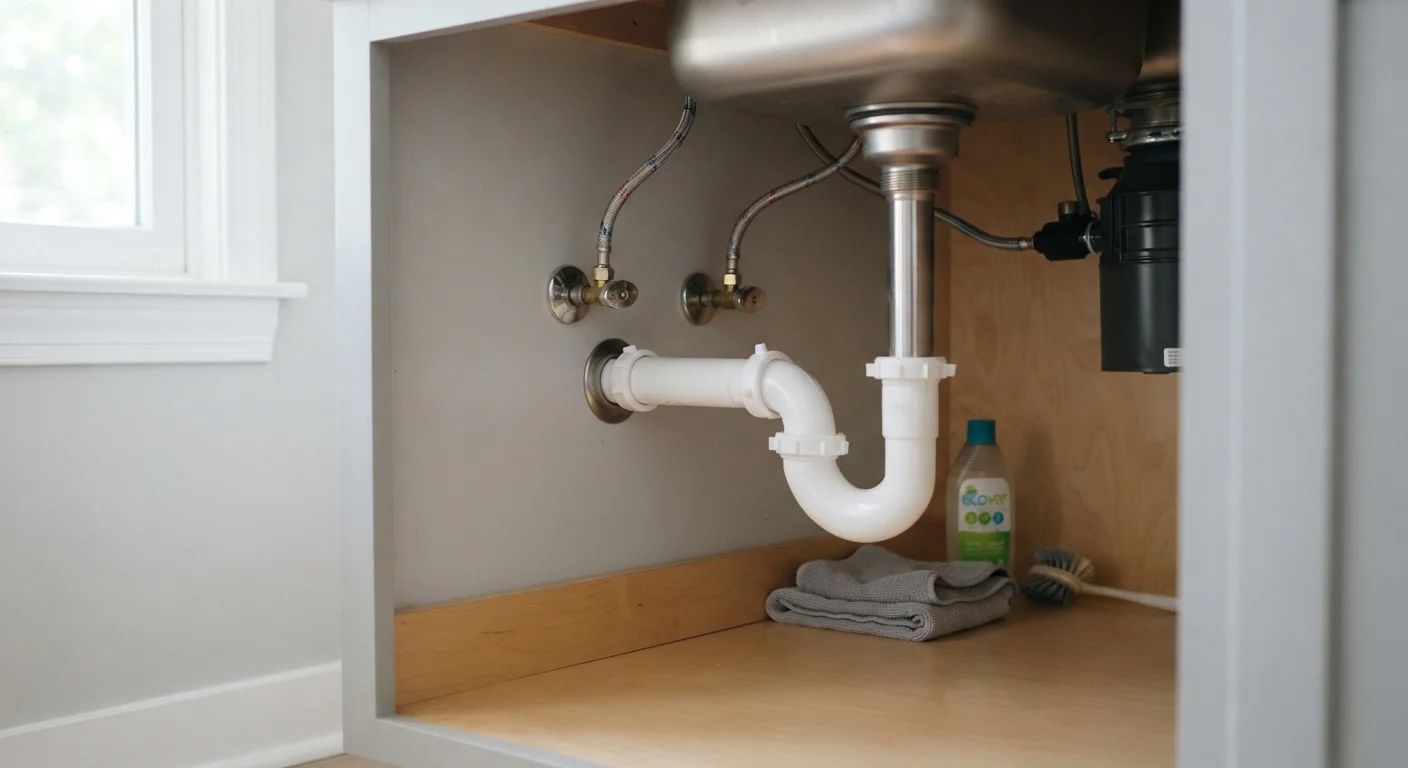
Drain traps - the curved section of pipe beneath each fixture - hold water to block sewer gases from entering your home. In guest bathrooms, utility sinks, or basement floor drains that rarely see use, that water evaporates, breaking the seal.
Install mesh drain screens in showers, tubs, and kitchen sinks.
Hair, soap scum, and food debris are the primary causes of residential drain clogs. Screens catch this material before it accumulates in the pipe, making cleanup a surface-level task rather than a plumbing event.
Know the location of your main water shutoff and confirm it turns freely.
In any leak emergency, the first step is cutting off water supply to the house. Shutoff valves that haven't been operated in years can seize or fail to close completely, turning a manageable situation into a damaging one.
Insulate exposed pipes in unconditioned spaces before cold weather arrives.
Pipes in garages, basements, and crawl spaces can freeze when temperatures drop, and a frozen pipe that bursts can release hundreds of gallons before it's detected. Foam pipe insulation is inexpensive and requires no special tools.
Avoid disposing of fats, oils, and grease down the kitchen drain.
Cooking grease solidifies as it cools inside pipes, progressively narrowing the drain and eventually causing blockages that home remedies may not resolve. This is one of the leading causes of kitchen drain service calls.
What to Watch for Between Seasons
Plumbing stress isn't constant - it follows the calendar. In winter, pipes in unconditioned spaces like garages, crawl spaces, and exterior walls are vulnerable to freezing. In summer, increased water use from irrigation and extra guests puts pressure on drain systems. Staying ahead of these seasonal shifts is where preventive habits do their best work.
Before the First Freeze: A Simple Checklist
Each fall, walk your home's perimeter and note any hose bibs that need shutoff valves closed from inside. Disconnect and store garden hoses - water left in a connected hose can back-freeze into the supply pipe. In the crawl space or basement, confirm foam insulation on exposed pipes is still intact and not compressed or missing.
If you're planning a bathroom update alongside your maintenance work, our bathroom renovation reality check can help you sequence plumbing improvements before cosmetic work begins.
Quick Actions You Can Take Right Away
You don't need to wait for a scheduled maintenance window to protect your plumbing. Several of the most effective interventions take under five minutes and require nothing more than observation and basic household supplies. Start with what's already accessible to you.
Small issues left unaddressed tend to compound over time. Our article on the hidden costs of deferred repairs explains exactly how a dripping faucet or slow drain can escalate into a much larger problem.
When to Stop DIY and Call a Pro
Preventive plumbing is well within reach for most homeowners, but there's an important line between maintenance observation and repair work. Any task involving the main water shutoff, pressurized supply lines, connections to sewer or septic systems, or work inside walls requires a licensed plumber. Attempting these without proper training risks water damage, code violations, and personal injury.
Permits and Licensed Work Matter
Many plumbing repairs - especially those involving supply lines, drain tie-ins, water heaters, or work inside finished walls - require a permit and must be completed by a licensed plumber under local building codes. Requirements vary by municipality. Before starting any repair that goes beyond surface-level maintenance, check with your local building department to understand what's required in your area.
If your home is older and you're considering accessibility improvements - such as walk-in showers or relocated fixtures - those projects intersect plumbing with structural changes. Our aging-in-place modifications guide walks through how to approach those upgrades thoughtfully with qualified help.