

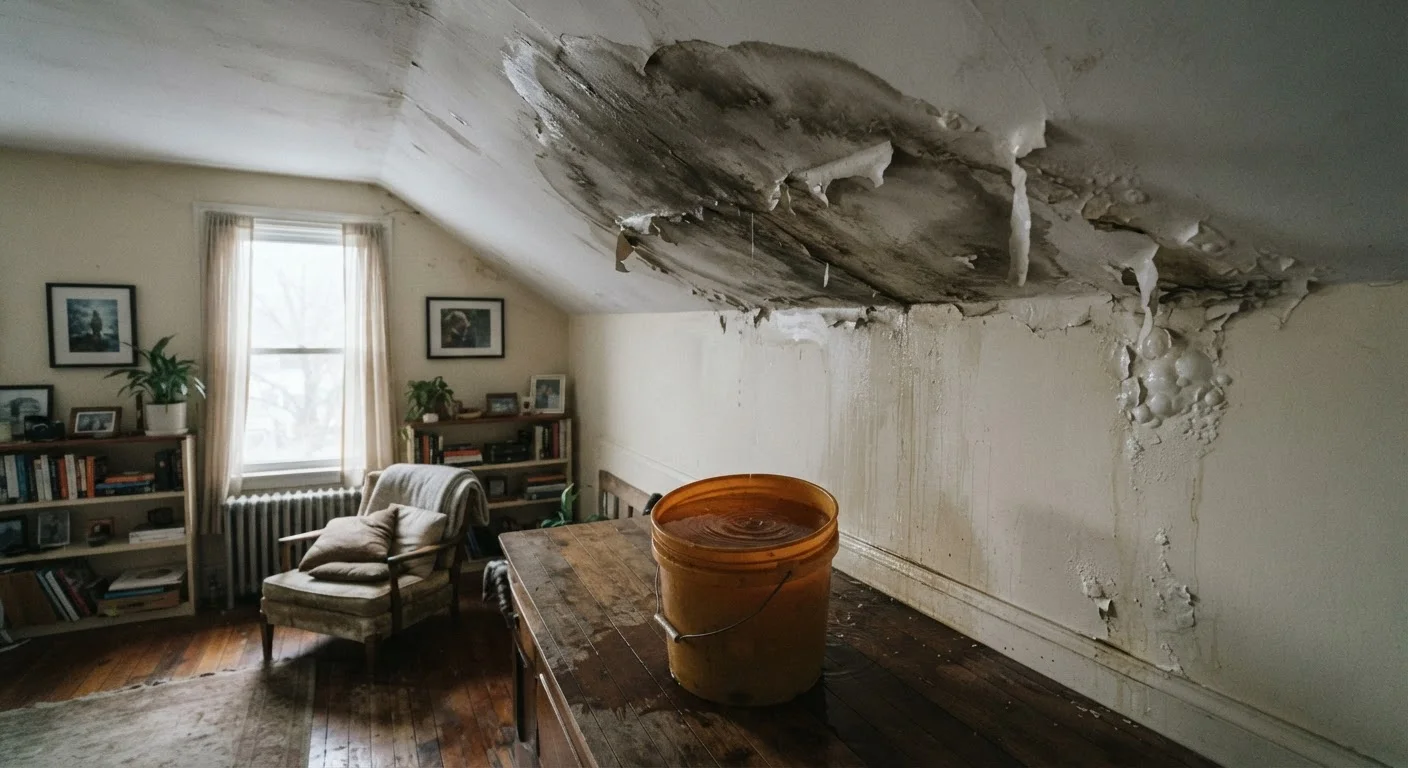
Key Takeaways
- Standard homeowners insurance often excludes flooding and gradual water damage - check your policy carefully.
- Water damage that appears to dry on its own can leave behind hidden mold within 24 to 48 hours.
- Small leaks compound quickly; even a slow drip can cause significant structural damage over weeks.
- Professional remediation is often necessary - improper DIY drying can trap moisture inside walls.
- Proactive seasonal maintenance is far cheaper than reactive repair after water damage occurs.
Why Water Damage Myths Are So Expensive
Water damage is consistently ranked among the most common and costly home insurance claims in the United States. Yet many homeowners operate on assumptions that leave them financially exposed - believing their policy covers more than it does, or that a small wet spot isn't worth acting on right away.
These misconceptions aren't harmless. Acting on the wrong information - or failing to act at all - can turn a manageable repair into a structural overhaul. As we explore in our article on how deferred maintenance compounds, small problems ignored today reliably become expensive emergencies tomorrow.
Understanding the facts about water damage gives you the power to respond faster, spend smarter, and protect your home year-round.
Myth
My homeowners insurance will cover any water damage to my home.
Fact
Standard homeowners policies typically cover sudden, accidental water damage - but explicitly exclude flood damage and gradual leaks.
This is one of the most financially damaging assumptions a homeowner can make. A standard HO-3 homeowners policy generally covers things like a pipe that suddenly bursts. It does not cover rising floodwater from storms or heavy rain - that requires a separate flood insurance policy, often purchased through the National Flood Insurance Program (NFIP). Equally important: most policies also deny claims for damage that results from long-term neglect, such as a slow leak under a sink that went unaddressed for months. Insurers may classify this as a maintenance failure. Review your policy declarations and endorsements carefully, and ask your insurer directly about water-related exclusions before you need to file a claim.
Myth
If the surface looks dry, the water damage has resolved itself.
Fact
Surface drying is not the same as structural drying - moisture trapped inside walls, subfloors, and insulation continues to cause damage and mold growth.
Wood framing, drywall, and insulation are porous materials that absorb and hold water well below the visible surface. Even after a surface feels dry to the touch, the interior moisture content can remain elevated for days or weeks. Mold can begin developing within 24 to 48 hours under the right conditions - and much of that growth happens in wall cavities where you can't see it. Proper drying requires measuring moisture levels with meters and, in significant cases, using commercial-grade dehumidifiers and air movers placed strategically. Assuming the problem is gone because the floor no longer squishes is a costly misjudgment.
Myth
A small drip or minor leak isn't worth calling anyone about.
Fact
Even low-volume leaks cause wood rot, mold, and structural weakening when left unaddressed - often costing far more than early repair would have.
A slow drip from a supply line or a hairline crack in grout may not feel urgent. But water is persistent: it follows the path of least resistance and wicks into surrounding materials continuously. Over weeks, even a modest leak can saturate subfloor sheathing, compromise floor joists, and create the dark, damp conditions mold needs to colonize. Repair costs escalate quickly once structural materials are involved. The cost to replace a supply line fitting is a fraction of the cost to replace a section of subfloor and treat a mold outbreak behind a cabinet.
Myth
Bleach applied to a moldy surface eliminates the mold problem completely.
Fact
Bleach disinfects hard, non-porous surfaces but does not penetrate porous materials where mold roots take hold.
Bleach is effective at killing surface mold on tile or glass, but mold on drywall, wood framing, or grout is a different situation. The water carrier in liquid bleach can actually add moisture to porous surfaces, while the active ingredient doesn't penetrate deeply enough to reach mold's root structures (called hyphae). Wiping a moldy patch with bleach may make it appear gone while leaving the underlying colony intact. For porous building materials affected by mold, the standard remediation approach - as outlined by the U.S. Environmental Protection Agency - typically involves removing and replacing affected material rather than attempting to disinfect it in place.
Myth
Water damage only becomes a problem if the source is large, like a flood or burst pipe.
Fact
Condensation, roof seepage, and slow appliance leaks are among the most frequent causes of serious water damage in homes.
Major events like pipe bursts get attention because they're dramatic and impossible to ignore. But in practice, many of the costliest water damage situations develop quietly from chronic, low-level moisture sources. Condensation on poorly insulated pipes or in an inadequately ventilated attic can cause years of unseen wood decay. Roof flashing that's slightly out of alignment allows small amounts of water in with every rainstorm - often seeping along rafters before becoming visible as a stain on an interior ceiling. Regular inspection, not just reactive repair after a crisis, is the posture that protects homeowners most effectively.
[stat_highlights]What Homeowners Can Actually Do to Prevent Water Damage
Prevention is where homeowners have the most control - and the greatest opportunity to save money. A seasonal maintenance routine that takes a few hours each year can reduce risk significantly.
When to Call a Professional Immediately
If water has been present for more than 24 hours, has soaked into walls or subfloors, or you notice a musty smell, contact a licensed water damage remediation professional before attempting DIY drying. Improper moisture removal can trap humidity inside building assemblies, accelerating mold growth and wood decay. Work involving mold, sewage-contaminated water (category 3), or structural materials should always be handled by qualified professionals.
- Inspect caulking and weatherstripping around windows, doors, and tub surrounds annually. Cracked caulk is one of the most common entry points for water intrusion.
- Clean gutters and downspouts each fall and spring. Blocked gutters cause water to back up and pool against your foundation or fascia boards.
- Check under sinks and around appliances - dishwashers, washing machines, and refrigerators with ice makers are frequent sources of slow, concealed leaks.
- Know where your main water shutoff is and test it periodically. Being able to cut water flow immediately can limit damage during a burst pipe event.
- Slope soil away from your foundation. Grading that directs water toward the house is a common cause of basement seepage that homeowners misattribute to other causes.
These steps cost little but pay meaningful dividends. If you're also curious how other common home improvement assumptions can lead you astray, see our coverage of home improvement myths that cost homeowners time and money.
This article is for general informational purposes only. Always consult a licensed contractor or remediation professional before undertaking repairs involving structural elements, mold, or significant water intrusion.