

Key Takeaways
- Minor car issues rarely stay minor - they tend to accelerate damage to connected systems.
- Brake, coolant, and oil warning signs are among the costliest problems when ignored.
- Addressing small repairs promptly is almost always cheaper than waiting for a breakdown.
- Routine inspections catch cascade failures before they reach the expensive stage.
- Understanding why a symptom appears helps drivers take the right action sooner.
Small Problems, Big Consequences
Most major car repair bills don't arrive without warning. They build quietly - a faint squeal here, a small puddle in the driveway there - while drivers assume the issue will resolve itself or at least stay manageable. It rarely does.
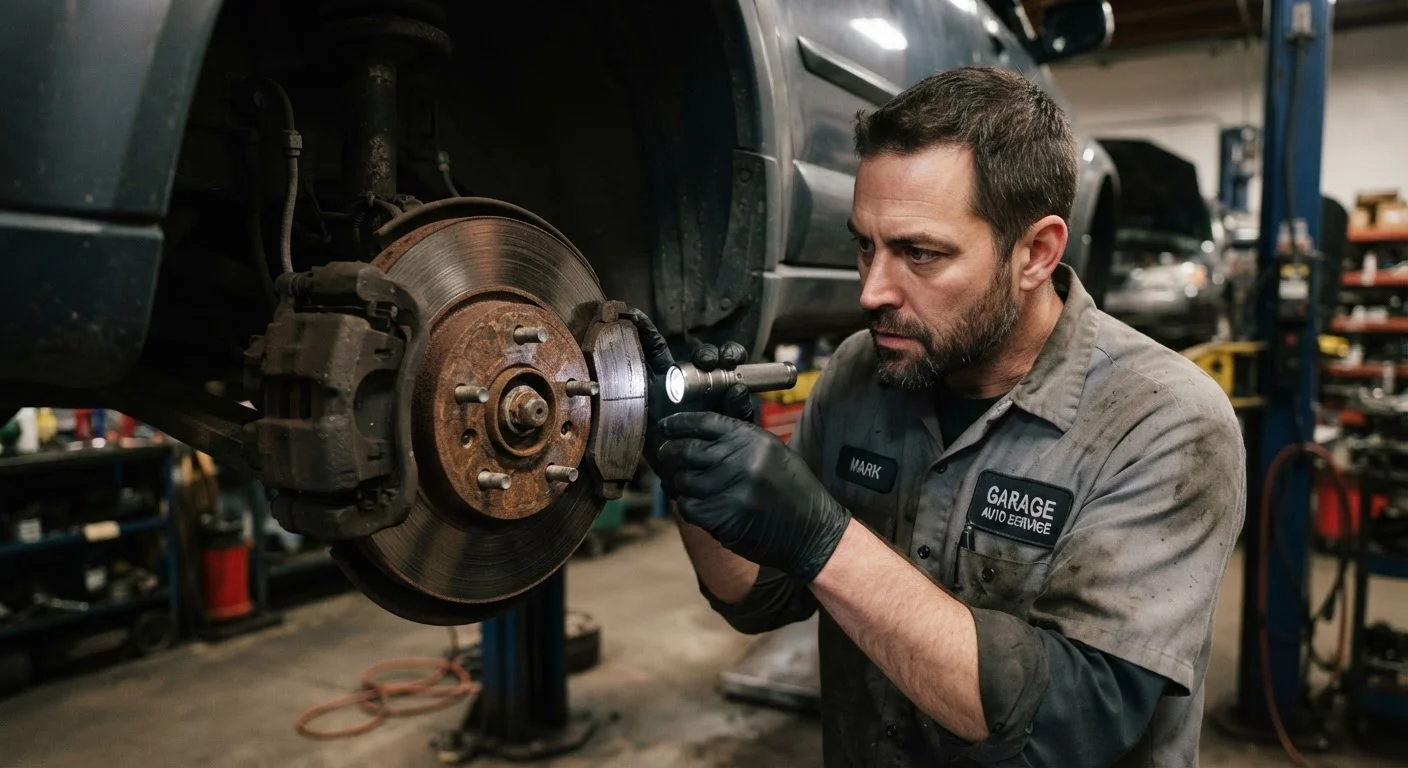
Car systems are deeply interconnected. A worn brake pad doesn't just threaten your stopping power; it can score the rotor, turning a straightforward pad replacement into a full rotor swap. A slow coolant leak can eventually cause the engine to overheat, warping cylinder heads in the process - a repair that can cost several times what the original leak would have taken to fix. Understanding how small neglected problems compound is the first step toward protecting both your vehicle and your wallet.
See our overview of maintenance costs over a vehicle's life to understand how deferred repairs shift the financial math significantly.
Ignoring brake squealing or increased stopping distance.
Why it happens: Drivers often assume brake noise is normal or temporary, especially if the car still stops adequately in everyday traffic.
Dismissing a slow coolant leak as a minor inconvenience.
Why it happens: A small puddle under the car or a gradual drop in the coolant reservoir doesn't feel urgent - the car still starts and drives normally in the short term.
Postponing an oil change well beyond the recommended interval.
Why it happens: Modern cars often run smoothly past recommended service intervals, making it easy to rationalize waiting a little longer - particularly when schedules are busy or funds are tight.
Ignoring dashboard warning lights, especially the check engine light.
Why it happens: Warning lights are sometimes triggered by minor issues like a loose gas cap, which conditions drivers to dismiss them as false alarms.
Driving on tires that are visibly worn or significantly underinflated.
Why it happens: Tire wear is gradual, and drivers often don't notice the change until tread depth is critically low. Underinflation is invisible without a gauge.
Delaying transmission service until symptoms are unmistakable.
Why it happens: Transmission problems often start subtly - a slight hesitation when shifting, a faint shudder - and drivers mistake these for normal vehicle behavior.
How Cascade Failures Work Against You
Automotive engineers design vehicle systems to work together within specific tolerances. When one component degrades past those tolerances, the stress transfers to adjacent parts. This is what mechanics mean by a cascade failure - one worn part forcing neighboring components to compensate until they, too, fail.
3-4×
Cost multiplier for deferred brake repair
Industry repair data consistently shows that replacing rotors alongside worn pads costs several times more than pad-only replacement done on schedule.
$1,000+
Typical catalytic converter replacement cost
A component that can be damaged by a prolonged engine misfire, which itself may start with a single failed spark plug worth a fraction of that amount.
A classic example: ignoring a misfiring engine. A single bad ignition coil or spark plug can cause unburned fuel to pass into the catalytic converter, destroying it over time. A spark plug replacement is a low-cost job; catalytic converter replacement is substantially more involved and expensive. The pattern repeats across dozens of vehicle systems.
For drivers weighing whether to tackle a symptom themselves or bring the car in, our guide on DIY vs. professional maintenance offers an honest framework for making that call.
Don't Wait for a Breakdown to Act
A vehicle that seems to be running fine can still be accumulating internal damage from a neglected issue. Overheating, for instance, may not produce visible symptoms until engine damage is already severe. If you notice any unusual noise, smell, handling change, or warning light, treat it as a prompt to investigate - not something to monitor indefinitely.
Staying ahead of these chains isn't just good practice - it's one of the most reliable ways to extend your vehicle's useful life and avoid the kind of surprise bills that derail even careful household budgeters.