

Key Takeaways
- A pre-trip walk-around takes under 10 minutes and can prevent breakdowns, crashes, and citations.
- Tires, lights, and fluid leaks are the three most commonly overlooked issues caught during a visual inspection.
- Mirror alignment and clear sightlines should be confirmed every time you get in an unfamiliar or shared vehicle.
- Cargo security and load visibility matter as much as mechanical readiness before any trip.
- Dashboard warning lights should always be addressed before departure, not after.
Summary
18 items · 5-15 minutes
Why a Walk-Around Is Worth Two Minutes of Your Time
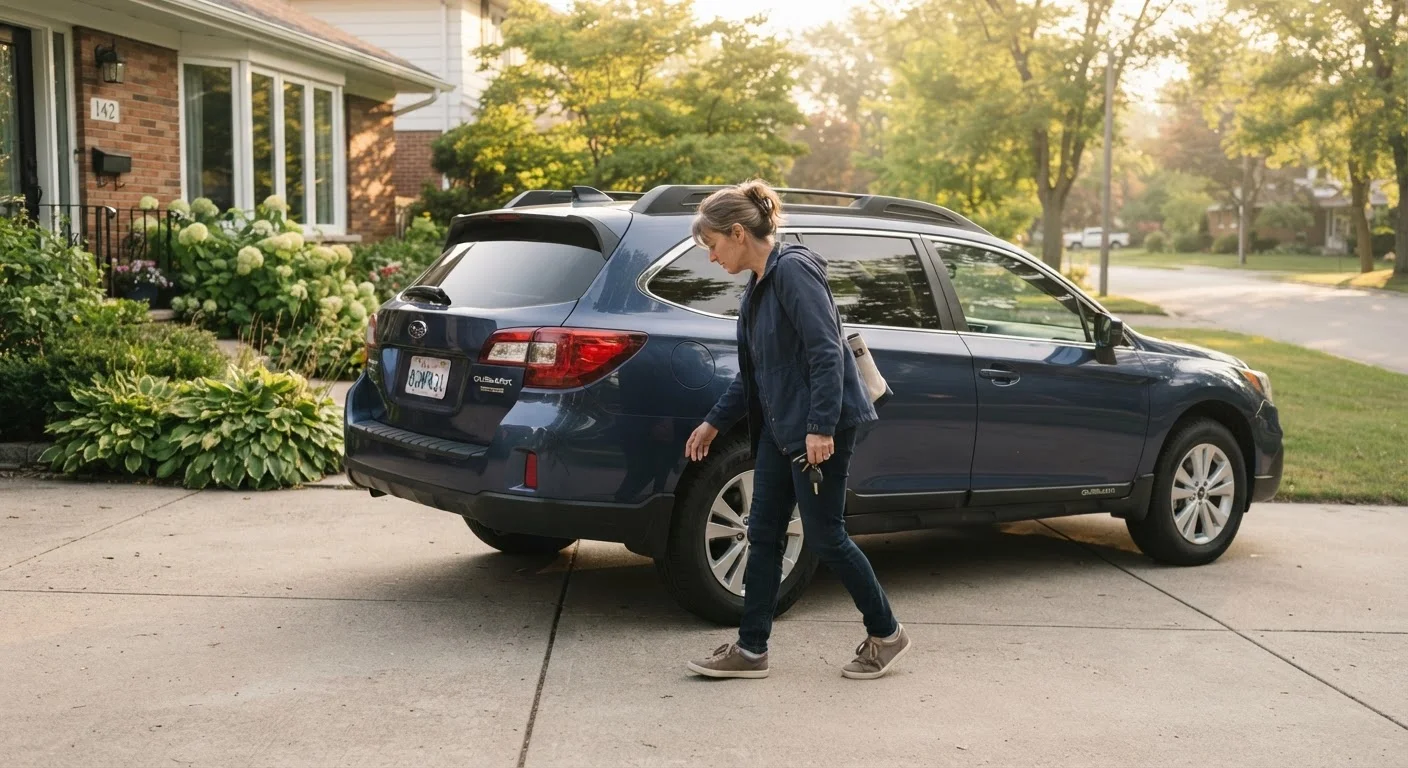
Most vehicle problems that lead to roadside emergencies or collisions don't appear suddenly - they develop gradually and go unnoticed because drivers skip the one step that would catch them: looking at the car before getting in. A pre-trip walk-around is a structured visual inspection you complete on foot before driving. It takes between two and ten minutes depending on how thorough you choose to be, and it costs nothing.
Commercial truck drivers are legally required to complete pre-trip inspections before every shift. Everyday motorists aren't held to the same standard, but the underlying logic is identical: a vehicle that looks wrong on the outside often behaves dangerously on the road. Flat or severely underinflated tires, burned-out brake lights, and fluid puddles beneath the car are all conditions a driver would typically miss entirely from the seat - and all are detectable in seconds on foot.
This checklist is organized by zone - moving around the vehicle systematically so nothing gets skipped. Pair it with the seasonal car care checklist to cover longer-term maintenance alongside your daily routine.
Tire Pressure Gauge
Accurately measures tire inflation so you can compare against the manufacturer's recommended pressure on the door jamb placard.
Flashlight or Smartphone Torch
Illuminates low-visibility areas such as under the vehicle, inside wheel wells, and rear lighting in daylight.
Tread Depth Coin (Quarter or Penny)
Provides a quick field check of remaining tire tread depth without specialized equipment.
The Pre-Trip Walk-Around Checklist
Work your way around the vehicle in a consistent direction - most drivers find it easiest to start at the driver's front corner and move clockwise. This ensures you cover every panel, wheel, and light without doubling back.
Tires and Wheels
Lights and Signals
Exterior and Clearance
Cargo and Load Security
In-Cabin Quick Check
Don't Skip the Walk-Around on Familiar Routes
Drivers are most likely to skip pre-trip checks on routine, short trips - but tire pressure loss, slow leaks, and lighting failures don't wait for unfamiliar roads. Vehicle conditions change between uses even when the car has been parked overnight. Familiarity with a route does not reduce the risk posed by a compromised vehicle.
If you share a vehicle with other household members or regularly drive a rental or fleet car, this checklist becomes even more important. Mirror positions, seat adjustments, and even tire condition can change between uses. Our guide to blind spots and mirror positioning explains how to quickly confirm your sightlines are fully covered before pulling out.
Connecting the Walk-Around to Broader Safety Habits
A walk-around is the foundation of a safety-conscious driving routine, not a replacement for broader habits. Once you're in the vehicle, dashboard warning lights deserve the same attention you gave the exterior. Understanding what each warning light means helps you decide what can wait until your next service appointment and what requires immediate action.
For longer journeys, the walk-around is especially valuable as a moment to mentally transition into trip mode - checking cargo security, confirming fuel level, and noting any issues before highway speeds make them harder to manage. See our safe driving habits for long road trips for a broader pre-departure framework. If you're introducing a new teen driver to these habits early, our guide for parents of teen drivers covers how to build inspection routines into their early practice.
Consistent pre-trip checks also support better long-term vehicle health. Catching a slow tire leak or a minor fluid drip early typically costs far less to repair than addressing the damage caused by ignoring it. The true cost of incorrect tire pressure is a useful read for understanding just how much that one item on the checklist can affect your safety and budget.