

Key Takeaways
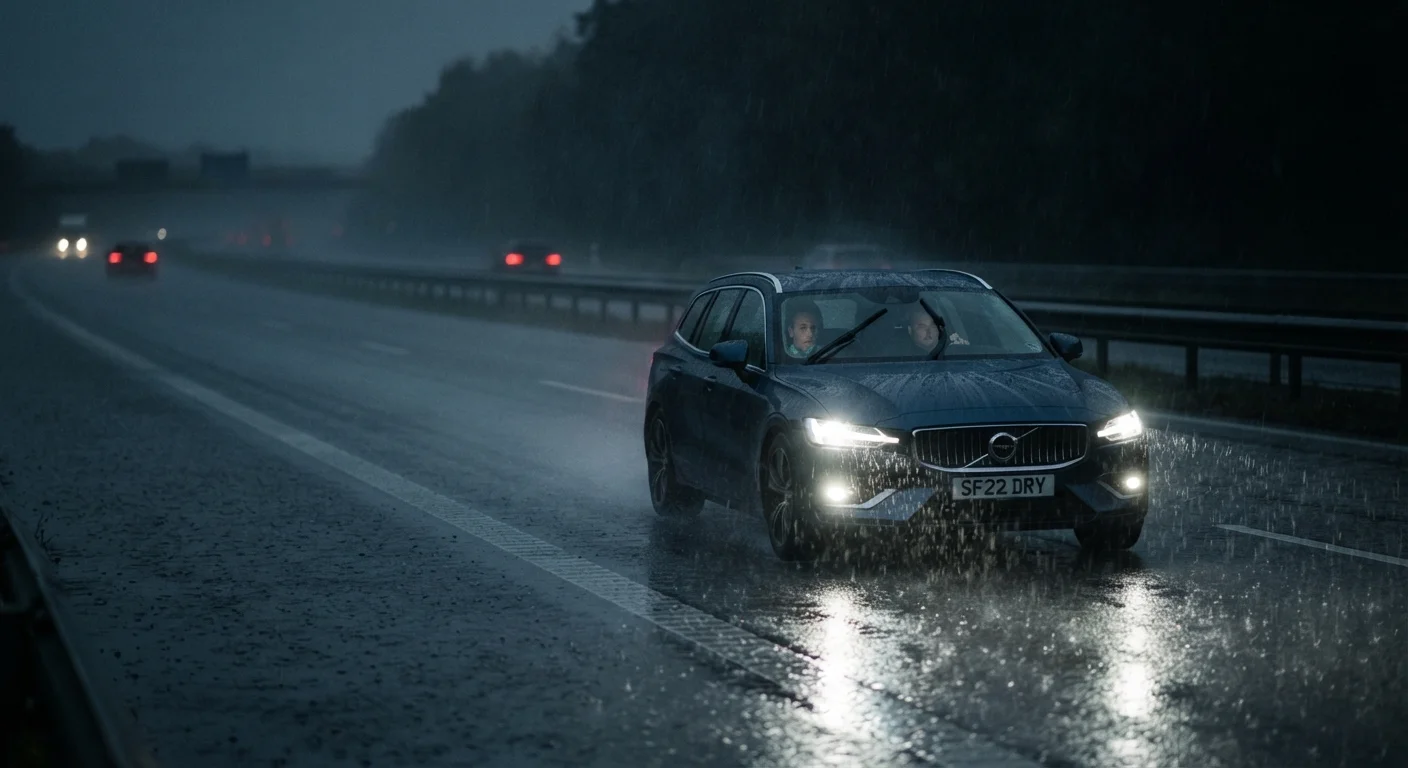
- Rain reduces tire grip and increases stopping distances - slow down and increase following distance.
- Fog demands low-beam headlights, not high beams, and drastically reduced speed.
- Snow and ice require smooth, gradual inputs on the steering wheel, brakes, and accelerator.
- Each weather condition poses unique hazards; a one-size-fits-all approach puts you at risk.
- Vehicle preparation before bad weather - tires, wipers, lights - is as important as technique.
Our Verdict
Rain, fog, and snow are distinct hazards that reward different techniques. Treating them interchangeably - or applying dry-road habits to any of them - is a leading factor in weather-related crashes. The safest drivers adapt their speed, following distance, lighting, and steering inputs to match the specific condition they're in.
| Best for | Recommended |
|---|---|
| Drivers who frequently encounter heavy rain on highways | Rain Driving Technique |
| Motorists in coastal or valley regions with frequent dense fog | Fog Driving Technique |
| Drivers in northern states facing winter road conditions | Snow and Ice Driving Technique |
Why Weather Demands a Different Mindset
Adverse weather is a factor in roughly 21% of all vehicle crashes in the United States, according to the Federal Highway Administration. Yet most drivers make only minor adjustments when conditions deteriorate. The core problem is that rain, fog, and snow each attack a different aspect of driving - grip, visibility, and control respectively - and each demands a targeted response rather than a vague sense of caution.
Before addressing specific conditions, two fundamentals apply to all of them: slow down more than feels natural, and give yourself more space than you think you need. For a deeper look at the mindset behind proactive hazard management, see our guide to defensive driving. Vehicle readiness also matters enormously - a pre-trip walk-around can confirm your tires, lights, and wipers are up to the task before you pull out.
| Rain | Fog | Snow / Ice | |
|---|---|---|---|
| Primary hazard | Reduced grip / hydroplaning | Severely limited visibility | Extreme loss of traction |
| Headlight setting | Low beams on | Low beams or fog lights only | Low beams on |
| Recommended speed reduction | 5-10+ mph below limit | Match speed to visible range | 25-50% below limit |
| Following distance | 5-6 seconds minimum | Maximum possible | 8-10 seconds minimum |
| Cruise control | Avoid - increases hydroplane risk | Avoid - need instant speed control | Never use |
| Key technique | Ease off gas if hydroplaning | Hug road edge, not centerline | Smooth, gradual all inputs |
| Biggest driver mistake | Maintaining highway speed | Using high-beam headlights | Overconfidence with AWD/4WD |
Driving in Rain: Managing Reduced Grip
Water on pavement reduces tire friction significantly, and the first few minutes of rainfall are often the most treacherous - road oils that have accumulated rise to the surface before being washed away. Hydroplaning (when a wedge of water lifts your tires off the road surface entirely) can occur at speeds as low as 35 mph on worn tires.
- Reduce speed: Drop your speed by at least 5-10 mph below the posted limit in moderate rain; more in heavy downpours.
- Increase following distance: Stopping distances roughly double on wet roads. Move from a 3-second gap to at least 5-6 seconds.
- Use headlights: In most U.S. states, law requires headlights when wipers are in use. Low beams improve your visibility to other drivers without glare.
- Avoid cruise control: Cruise control can accelerate the vehicle when hydroplaning begins, making loss of control worse. Keep your foot available to modulate speed.
- Steer through hydroplaning: If the steering goes light and feels disconnected, ease off the accelerator gently and steer straight - do not brake hard.
If your tires are near the end of their tread life, wet-road performance degrades sharply. Consult our seasonal car care checklist for guidance on when to inspect and replace tires.
Driving in Fog: When Visibility Collapses
Fog is uniquely dangerous because it creates a false sense of security - drivers sometimes maintain highway speeds while seeing only 200 feet ahead, far less than the distance needed to stop safely. Dense fog can reduce visibility to near zero within seconds as conditions shift.
- Use low beams, not high beams: High beams reflect off water droplets in the fog and bounce light back at you, reducing visibility further. Fog lights, if your vehicle has them, are designed for this scenario.
- Slow well below the speed limit: Your speed should never exceed what allows you to stop within your visible range. In dense fog, that may mean 20-25 mph even on a road with a 55 mph limit.
- Use road markings as a guide: Keep your eyes on the right edge of the road or the painted lines rather than the center, especially when oncoming headlights make conditions disorienting.
- Avoid stopping on the road: If you must pull over, move completely off the pavement, turn off your headlights (so following drivers don't track into you), and leave hazard lights on.
If Fog Forces You to Pull Over
Never stop on the travel lane or shoulder edge - a following driver may use your taillights as a guide and drive directly into you. Pull completely off the road if possible, switch off your headlights, and activate your hazard flashers. If you must remain near the roadway, exit the vehicle and move away from it.
Driving in Snow and Ice: Smooth Inputs Win
Ice can reduce tire traction by up to 90% compared to dry pavement. The cardinal rule for snow and ice is smooth, deliberate inputs: abrupt steering, braking, or acceleration breaks traction and initiates skids. If you want to understand how to respond when a skid does occur, our article on regaining control on slippery roads walks through each skid type in detail.
- Accelerate slowly: Apply the gas gently from a stop to avoid spinning the drive wheels. On severe ice, try starting in second gear if your transmission allows it.
- Brake early and gradually: Begin braking well before intersections and turns. With ABS (anti-lock braking system), apply firm steady pressure and let the system pulse the brakes. Without ABS, apply gradual pressure to avoid wheel lockup.
- Increase following distance dramatically: The standard advice is 8-10 seconds of following distance on packed snow or ice.
- Know your vehicle's limits: All-wheel drive and four-wheel drive improve acceleration traction but do not significantly improve braking. Many drivers overestimate their stopping capability in winter conditions.
- Watch for black ice: Sections of road that look merely wet but are actually a thin, transparent sheet of ice - common on bridges, overpasses, and shaded curves - should be treated as the most hazardous surface you'll encounter.
Winter driving demands a well-prepared vehicle. Check tire tread depth, battery health, and wiper condition well before the season begins.
Comparing the Three Conditions at a Glance
While all three conditions require lower speeds and greater care, they differ substantially in where the primary risk lies and how you should respond. The table above maps the key variables side by side. Understanding these distinctions helps you make faster, better decisions when conditions shift unexpectedly - which they often do during long trips. Our guide to safe driving on long road trips covers how to plan for and react to changing conditions across different legs of a journey.
The right preparation before you leave home also reduces risk substantially. A properly inflated tire with adequate tread behaves very differently in wet, foggy, or snowy conditions compared to a worn one. Staying current on car maintenance fundamentals is one of the highest-value habits any driver can build.