

Key Takeaways
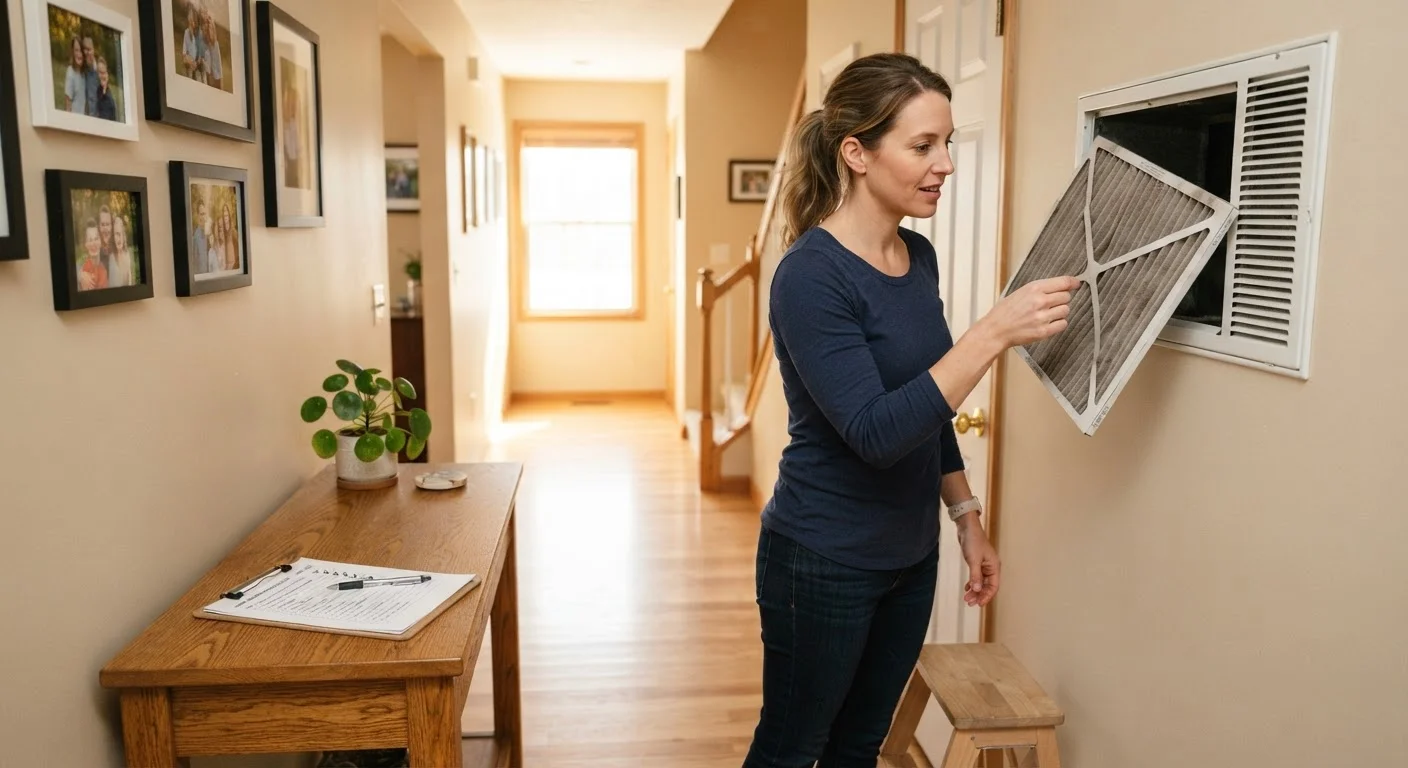
- Changing HVAC filters monthly is one of the simplest and highest-impact habits a homeowner can build.
- Seasonal walkthroughs catch small problems - like cracked caulk or clogged gutters - before they become expensive repairs.
- Water heaters, smoke detectors, and electrical panels deserve annual attention even when nothing seems wrong.
- Keeping written maintenance records protects your home's resale value and simplifies insurance claims.
- Some jobs require a licensed professional - knowing which ones keeps your home safe and up to code.
Start here
Why Routine Maintenance Matters
Next
Monthly Tasks Every Homeowner Should Do
Build on it
Seasonal Checks That Prevent Big Problems
Go deeper
Annual Inspections Worth Scheduling
When you're ready
Knowing When to Call a Professional
Why Routine Maintenance Matters
Owning a home shifts you from calling a landlord to being the person responsible for every dripping faucet and failing furnace. That shift can feel daunting - but the good news is that most costly repairs are preventable. The majority of serious home problems start small: a slow leak, a clogged vent, a worn seal. Catching them early is almost always faster and cheaper than dealing with the damage they cause.
Think of home maintenance the way you might think of staying on top of routine vehicle maintenance: consistent small efforts prevent the large, unpredictable failures. A well-maintained home also holds its value better, gives you stronger footing during insurance claims, and simply feels more comfortable to live in. If you're still in the purchasing phase, our first home purchase roadmap covers what to look for during inspections before you close.
HVAC
Stands for Heating, Ventilation, and Air Conditioning - the system that controls temperature and air quality throughout your home.
P-trap
The curved pipe section under a sink or drain that holds a small amount of water to block sewer gases from entering the home.
Heat exchanger
A component inside a gas furnace that separates combustion gases from the air circulating through your home. A crack in it is a serious safety hazard.
Ice damming
A ridge of ice that forms at the edge of a roof when heat escapes through the attic, melts snow above, and refreezes at the cold eave - potentially forcing water under shingles.
Hose bib
The outdoor faucet on the exterior of your home where you attach a garden hose. These must be drained or shut off before freezing temperatures to prevent pipe bursts.
MERV rating
A scale (1-16 for residential use) that measures how effectively an HVAC filter captures airborne particles. Higher numbers trap finer particles but can restrict airflow if your system isn't designed for them.
Monthly Tasks Every Homeowner Should Do
A handful of quick checks each month form the backbone of a sound maintenance routine. None of these require specialized skills - just consistency.
- Replace or inspect the HVAC filter. A dirty filter forces your heating and cooling system to work harder, raising energy costs and shortening equipment life. Most 1-inch filters need replacement every one to three months. Mark your calendar so it doesn't slip.
- Test smoke and carbon monoxide detectors. Press the test button on every detector. If it doesn't chirp clearly, replace the battery immediately. Detectors older than 10 years should be replaced entirely.
- Check under sinks for moisture. A quick look inside kitchen and bathroom cabinets can reveal slow leaks at drain connections before they rot the cabinet floor or subfloor.
- Run water in unused spaces. Guest bathrooms or utility sinks that sit idle for weeks can develop dry P-traps - the curved pipe section that blocks sewer gases. Running the tap for a few seconds keeps it sealed.
Build a Simple Maintenance Calendar
Write your monthly tasks on your phone's calendar with a recurring reminder - the first of each month works well. Pair filter changes with another habit you already have, like paying a utility bill, so they're less likely to be forgotten. Consistency over perfection is the goal.
Seasonal Checks That Prevent Big Problems
Some maintenance tasks align naturally with seasonal changes, since temperature swings and weather events put different stresses on your home.
Spring: Inspect your roof visually from the ground for missing or lifted shingles after winter. Clean gutters once spring blooms and seeds have finished falling. Check exterior caulking around windows and doors - freeze-thaw cycles break down sealants over time.
Summer: Test your air conditioning early in the season, before the first heat wave. Clear debris from around the outdoor condenser unit and check window screens for tears that let insects inside.
Fall: This is your most important season for preparation. Before the first freeze, drain outdoor hose bibs (faucets), check weatherstripping on exterior doors, and inspect the attic for adequate insulation. Our fall home walkthrough checklist goes through every step in detail. Cleaning gutters in late fall - after leaves have dropped - prevents ice damming on the roof edge in colder climates.
Winter: Know where your main water shutoff valve is located in case a pipe bursts. Keep cabinet doors open under sinks on exterior walls during cold snaps to allow warm air to reach the pipes.
For a full month-by-month breakdown, see our seasonal home maintenance calendar.
Annual Inspections Worth Scheduling
Certain systems need a deeper look once a year, even when they appear to be functioning normally.
- Water heater flush. Mineral sediment accumulates at the bottom of tank-style water heaters, reducing efficiency and accelerating wear. Flushing the tank annually - draining a portion to remove sediment - extends the unit's useful life. If you've never done this before, having a plumber walk you through it once is worthwhile.
- HVAC professional tune-up. An annual service visit by an HVAC technician includes cleaning the heat exchanger, checking refrigerant levels, and verifying that the system is operating safely and efficiently. This is especially important for gas furnaces, where a cracked heat exchanger can allow carbon monoxide to circulate through the home.
- Electrical panel check. You don't need to open the panel yourself - but a licensed electrician should inspect it every few years, or sooner if you notice flickering lights, frequently tripped breakers, or outlets that feel warm. This is not a DIY task.
- Roof and attic inspection. Even a ground-level visual scan each year helps. Inside the attic, look for daylight coming through the roof deck, signs of moisture or staining, and whether insulation is intact. Well-installed attic insulation also cuts heating and cooling costs significantly - see our guide on attic insulation basics for what to look for.
Keeping written records of every inspection, repair, and appliance warranty is just as important as the work itself. Our article on home maintenance records explains exactly what to save and how to organize it.
Seasonal Home Maintenance Calendar
A month-by-month breakdown of upkeep tasks to keep your home safe and efficient all year. Useful for building a personal maintenance schedule.
Home Maintenance Records Guide
A practical system for documenting repairs, inspections, and warranties - protecting your home's value and simplifying future insurance claims.
When to DIY vs. Call a Pro
A clear framework for deciding which home repair and maintenance tasks are safe to handle yourself and which require a licensed professional.
Knowing When to Call a Professional
Part of being a responsible homeowner is recognizing the limits of what you should tackle alone. Many routine tasks are genuinely DIY-friendly. Others carry real risks - to your safety, your home's structure, or your compliance with local building codes - if done incorrectly.
Tasks that generally require a licensed professional include: any work inside the electrical panel, gas line repairs or appliance connections, structural changes to walls or load-bearing elements, and most roofing work beyond minor patching. Plumbing that connects to the main line (rather than fixture-level repairs) typically requires a licensed plumber, and some jurisdictions require permits even for relatively straightforward work like water heater replacement.
When you're uncertain whether a job is within your skill level, err on the side of caution. Our guide on when to DIY and when to call a professional offers a practical framework for making that call. The Home Improvement hub also covers a wide range of upgrade and renovation topics to help you plan projects wisely.
Don't Skip Permits for Regulated Work
Many homeowners skip permits to save time or money, but unpermitted work can void homeowners insurance claims, create problems during resale, and - in the case of electrical or structural work - pose genuine safety risks. Always verify local permit requirements before starting a project. Requirements vary by municipality, so check with your local building department.