

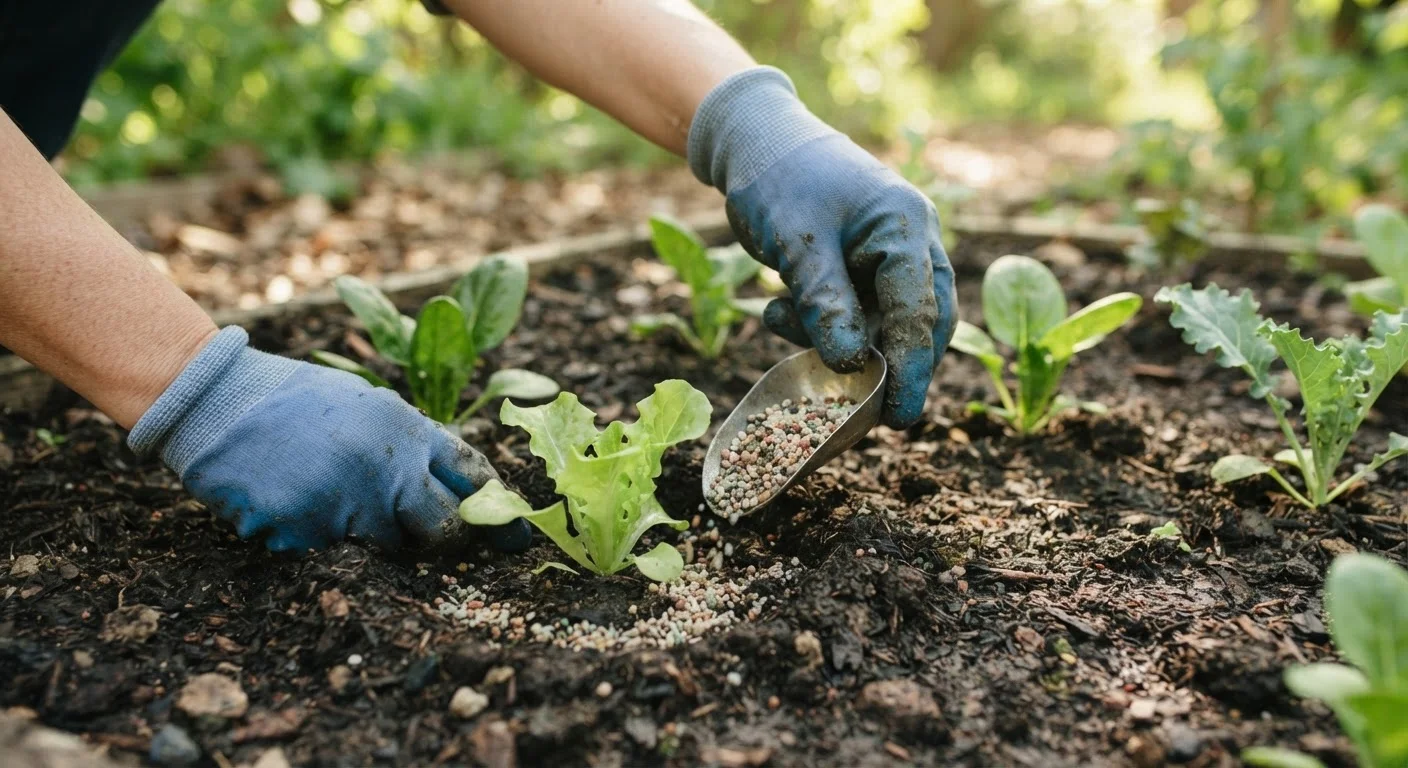
Key Takeaways
- More fertilizer does not equal faster growth - over-fertilizing can burn roots and kill plants.
- Soil testing is the only reliable way to know what nutrients your garden actually needs.
- Natural and organic fertilizers are not automatically safe or superior in every situation.
- Fertilizer timing and soil pH matter as much as the nutrients you're applying.
- Most established plants need far less supplemental feeding than many gardeners assume.
Why Fertilizer Myths Are So Persistent
Fertilizer advice has been passed down through generations of gardeners, and some of it was never accurate to begin with. The result is a patchwork of well-meaning but misleading rules that cause real harm - stunted plants, depleted soil, and wasted money. Just as widespread misconceptions affect other areas of everyday life (see our piece on home improvement myths that cost homeowners time and money), fertilizer folklore tends to feel authoritative precisely because it's repeated so often.
Understanding the science behind plant nutrition doesn't require an agronomy degree. It requires separating what plants actually need from what sounds logical but isn't. Below, we correct the most common fertilizing myths with what research and horticultural practice consistently support.
Myth
If my plants look pale or slow, adding more fertilizer will fix the problem.
Fact
Yellowing and slow growth have many causes - including overwatering, compacted soil, pests, and disease - that more fertilizer won't address and may worsen.
Nutrient deficiency is just one of dozens of reasons a plant may look stressed. Before reaching for fertilizer, check soil moisture, drainage, pest activity, and root health. Applying nitrogen to a plant suffering from root rot, for example, accelerates decline rather than correcting it. A soil test is the only way to confirm that nutrients are actually the limiting factor.
Myth
More fertilizer means bigger, faster growth.
Fact
Excess fertilizer, particularly nitrogen, causes fertilizer burn - damaging or killing roots and foliage - and can contaminate groundwater.
Plants absorb nutrients up to a threshold. Beyond that point, high salt concentrations in synthetic fertilizers draw moisture out of root cells through osmosis, causing brown leaf edges, wilting, and root die-off. This is called fertilizer burn. Runoff from over-fertilized gardens also contributes to nutrient pollution in local waterways, a well-documented environmental concern. Follow label rates and err on the lower end when in doubt.
Myth
Natural or organic fertilizers are always safe to use generously.
Fact
Organic fertilizers can over-supply nutrients just as synthetic ones can, and some carry pathogen risks if not properly composted.
Compost, manure, blood meal, and bone meal are all valuable soil amendments, but they contain real nutrient concentrations that add up over time. Repeated heavy applications of manure, for instance, can lead to phosphorus buildup that harms soil biology and pollutes runoff. Fresh or improperly composted manure may also contain harmful bacteria. Organic does not mean unlimited - the same principle of matching supply to plant need applies regardless of source.
Myth
All fertilizers work the same way - just pick one and apply it.
Fact
Fertilizer type, formulation, and nutrient ratio must match your specific soil conditions, plant type, and growth stage to be effective.
A high-phosphorus fertilizer helps root development in transplants but can suppress beneficial soil fungi in established beds. Slow-release granular fertilizers work differently from water-soluble liquid feeds. Leafy vegetables have different nitrogen needs than fruiting crops. Using the wrong formulation wastes money at best and harms plants at worst. Reading the label and knowing your soil test results makes matching fertilizer to need straightforward.
Myth
Fertilizing in fall will harm my plants by stimulating late growth.
Fact
A targeted fall fertilizer application - particularly phosphorus or potassium - can strengthen root systems and winter hardiness without pushing tender new shoots.
The concern about fall feeding applies specifically to high-nitrogen applications late in the season, which can prompt soft, frost-vulnerable new growth. However, a low-nitrogen or phosphorus-focused fall feed supports root development and helps perennials, lawns, and shrubs build energy reserves for spring. Timing - typically after active top growth has slowed - is the critical variable, not whether to feed at all.
Myth
Coffee grounds are a reliable all-purpose fertilizer for garden beds.
Fact
Coffee grounds are mildly acidic and low in available nitrogen; their benefits are limited and they can compact into a water-repelling layer if over-applied.
Used coffee grounds have become a popular garden amendment, but their actual nutrient contribution is modest. Their pH effect is often overstated - grounds are closer to neutral once brewed. When applied in thick layers, they can crust over and repel water rather than improve drainage. Thin incorporation into compost is a reasonable use, but treating them as a fertilizer substitute for acid-loving or nitrogen-hungry plants is likely to disappoint.
What Good Fertilizing Actually Looks Like
Effective fertilizing starts before you open any bag or bottle. A basic soil test - available inexpensively through your local cooperative extension service - tells you the existing nutrient levels and pH of your soil. That result guides every decision that follows.
~50%
of home garden soils tested show imbalanced nutrient levels
Cooperative extension programs across the U.S. consistently find that a significant share of residential garden soils have pH or nutrient imbalances that a simple test would reveal.
3-4x
excess fertilizer applied vs. what plants can absorb
Research in agricultural contexts suggests that a substantial portion of applied synthetic fertilizer is not taken up by plants and instead leaches into surrounding soil and water systems.
Soil pH is especially important because it controls whether nutrients are chemically available to plant roots at all. Nitrogen, phosphorus, and potassium can all be present in your soil, but if pH is too high or too low, plants can't access them. Amending nutrients without correcting pH is like stocking a pantry with a locked door.
Timing matters too. Applying fertilizer when plants are actively growing - not during heat stress, drought, or dormancy - gives nutrients the best chance of being absorbed rather than washed away. Pair good fertilizing habits with attention to your broader garden health; our guide to what's actually in the ground beneath your plants explains how soil composition shapes everything your plants do.
Finally, fertilizer is only one piece of the puzzle. Organic matter, mulch, and reduced soil disturbance all support the microbial ecosystem that makes nutrients available in the first place. Learn more about how organic mulch feeds your soil over time in ways that synthetic inputs alone cannot replicate.
Don't Fertilize Stressed or Drought-Affected Plants
Applying fertilizer to a plant suffering from heat stress, drought, or root damage forces the plant to process salts it cannot handle, often accelerating decline. Water thoroughly and address the underlying stress first. Resume feeding only once the plant shows signs of active recovery and normal growth.