

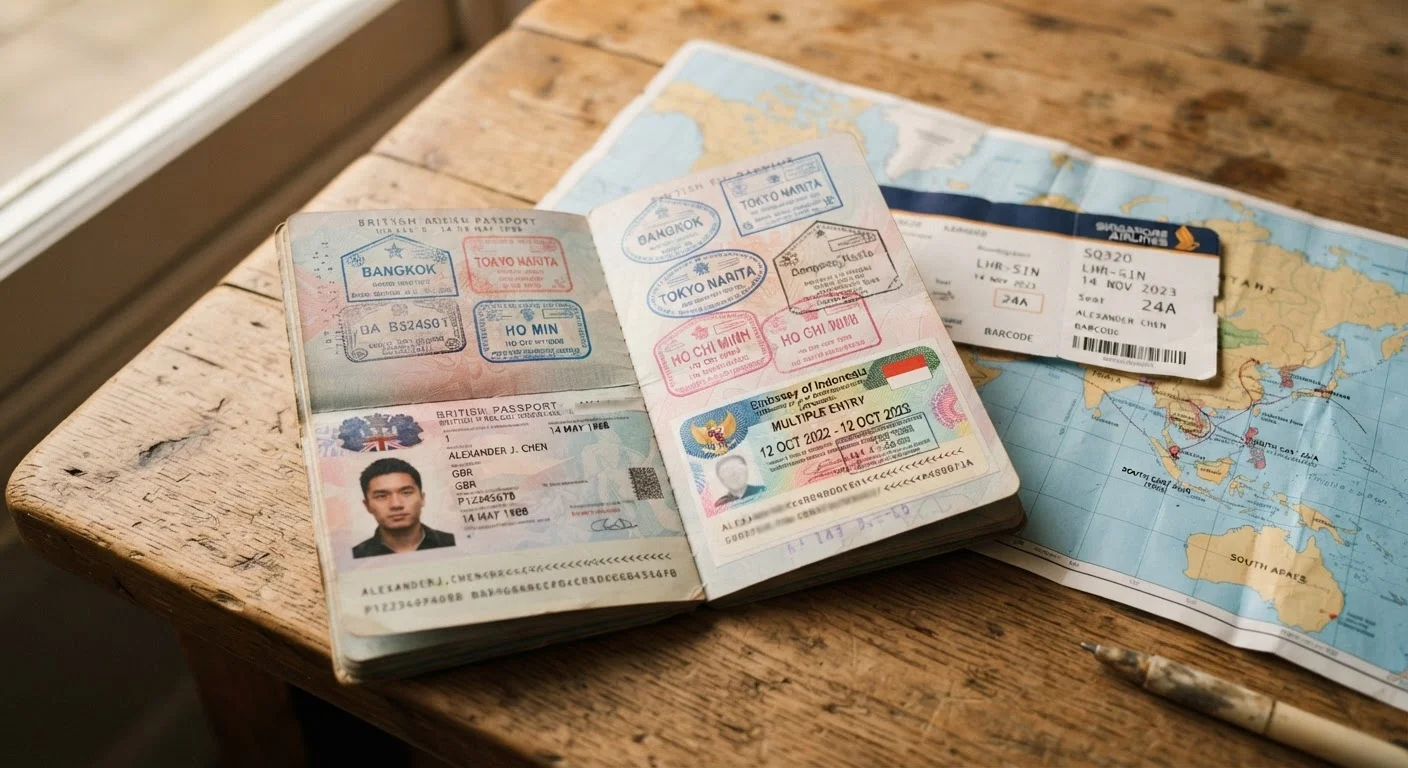
Key Takeaways
- The 'six-month passport validity rule' is not universal - requirements vary significantly by destination.
- Visa-on-arrival availability depends on your nationality, not just your destination country.
- A valid U.S. passport does not automatically guarantee entry into any foreign country.
- Entry rules can change without notice - always verify with official government sources before travel.
- Transit passengers are often subject to visa requirements even without leaving the airport.
Why Passport and Visa Myths Keep Circulating
Travel planning has never been easier - and that's part of the problem. With so much advice floating around on social media, travel forums, and word-of-mouth, outdated or destination-specific information gets recycled as universal fact. The result: travelers show up at check-in counters or border crossings confident in rules that simply don't apply to their situation.
Entry requirements are set by individual countries and can change with little public fanfare. What was true for your friend's trip two years ago may not be true for yours today. The myths below are among the most common traps - and knowing the facts could save your trip before it even begins.
For a broader look at what travelers frequently overlook in the planning stage, see things travelers wish they'd researched before arriving.
Myth
Your passport just needs to be valid for the length of your trip.
Fact
Many countries require your passport to remain valid for three to six months beyond your planned departure date - sometimes longer.
This is the most widespread passport myth, and it catches travelers off guard more than almost any other. Dozens of countries - particularly in Asia, Africa, and the Middle East - will deny boarding or entry if your passport expires sooner than six months after your return date. Some require only three months of validity beyond your stay; a few require none at all. The point is: there is no single rule. Check the specific requirement for your destination country, not a general guideline you read online.
Myth
Americans can get a visa on arrival almost anywhere.
Fact
Visa-on-arrival access is tied to nationality and bilateral agreements, not a blanket privilege of any one passport.
U.S. passport holders do enjoy relatively broad visa-free or visa-on-arrival access globally, but this access is far from universal. Some countries require U.S. citizens to obtain a visa in advance through an embassy or consulate - a process that can take weeks. Others may offer electronic travel authorizations (eTAs) that must be secured before departure. Assuming you can sort it out at the border is a gamble that can result in being denied boarding at your departure airport, since airlines are responsible for passenger documentation compliance.
Myth
If you're just passing through a country, you don't need a visa.
Fact
Transit visas are a real requirement in many countries, even if you never leave the airport's international zone.
Transit rules are among the least-understood aspects of international travel. Some countries - including the United Kingdom, India, and China - require certain nationalities to hold a transit visa simply to connect through their airports, regardless of whether the traveler clears immigration. This is especially important for travelers with connecting flights on multi-leg itineraries. Check transit visa requirements for every country your routing passes through, not just your final destination.
Myth
A valid passport guarantees you'll be allowed into a country.
Fact
Border officers have the authority to deny entry for a range of reasons, regardless of your documents.
A passport proves your identity and citizenship - it does not grant an automatic right of entry to a foreign country. Border control officers can deny entry based on insufficient funds, a suspicious travel history, a one-way ticket without a clear return plan, or concerns about the stated purpose of your visit. Some countries also require proof of onward travel or accommodation bookings before admitting visitors. Having valid documents is necessary, but it's not the whole picture.
Myth
Visa requirements don't change often, so you can rely on what a friend told you.
Fact
Visa policies shift with diplomatic relationships, public health situations, and bilateral agreements - sometimes with little advance notice.
A country that was visa-free for U.S. citizens last year may have introduced a new electronic authorization requirement. A destination that required a full visa may have opened up a streamlined eVisa process. These changes happen regularly, and popular travel forums or guidebooks may lag months or years behind. The only reliable sources are official government portals - your own country's foreign affairs site and the destination country's immigration authority - checked close to your travel date.
Myth
Children don't need their own passports for international travel.
Fact
Every traveler - regardless of age - requires their own valid passport for international travel to most destinations.
There was a time when children could be listed on a parent's passport, but that practice has largely been phased out. Today, virtually every country requires each traveler, including infants, to carry an individual, valid passport. Additional documentation - such as a birth certificate, consent letter from a non-traveling parent, or proof of guardianship - may also be required depending on the destination and the child's travel companions. Research these requirements well in advance, as children's passport applications can take similar processing times to adult applications.
What You Should Always Do Before Booking
Correcting these myths points toward one overarching habit: verify entry requirements from official sources - specifically, the destination country's embassy or consulate website and your own government's travel portal (for U.S. citizens, that's travel.state.gov). Third-party travel sites are useful for inspiration, but they are not the authoritative source on visa policy.
Don't Rely on Unofficial Sources for Entry Rules
Travel blogs, social media posts, and forum threads can be helpful for general inspiration, but they are not authoritative on visa policy. Requirements change, and a post from even six months ago may be outdated. Before every international trip, check directly with the destination country's embassy or consulate and your own government's official travel advisory site. For U.S. travelers, that means travel.state.gov.
Passport validity deserves a dedicated check at booking, not the night before departure. Processing times for renewals and new visas can run several weeks - sometimes longer during busy periods. Build lead time into your planning calendar.
Not sure whether you need a passport, a visa, or both? The answer depends on your nationality, your destination, and even the purpose of your trip. Understanding entry requirements before you go breaks down the difference clearly. And once you have your documents sorted, keeping copies of key travel documents is a smart backup habit that takes minutes and can matter enormously if something goes wrong abroad.
This article is for general informational purposes only. Entry requirements, visa policies, and passport rules are subject to change. Always verify current requirements with official government sources and relevant embassies or consulates before making travel plans.