

Key Takeaways
- Shoulder season falls just before or after peak season and varies by destination.
- Crowds are meaningfully thinner, which changes how accessible and enjoyable a place feels.
- Weather during shoulder season is often mild but less predictable than peak months.
- Local businesses are typically open but less stretched, which can improve service quality.
- Shoulder season can be a strong fit for travelers who prioritize atmosphere over guaranteed sunshine.
Shoulder Season
Shoulder season refers to the travel periods that fall just before or just after a destination's peak tourist season. It's not the busiest time of year, and it's not the quietest - it sits in between, offering a middle ground of milder crowds, varied weather, and often more authentic access to local life. For most destinations, shoulder season spans a few weeks to a couple of months on either side of the summer or holiday rush.
Shoulder season timing varies significantly by destination type: a beach resort's shoulder season may be April-May, while a ski town's equivalent falls in October-November. There is no universal calendar definition.
What Shoulder Season Actually Means
Every destination has a rhythm. There's a stretch of weeks when visitors flood in - beaches fill up, museums sell out, and restaurants have hour-long waits. That's peak season. Then there's the dead quiet of off-season, when many businesses close and the weather may be genuinely inhospitable. Shoulder season lives in neither extreme.
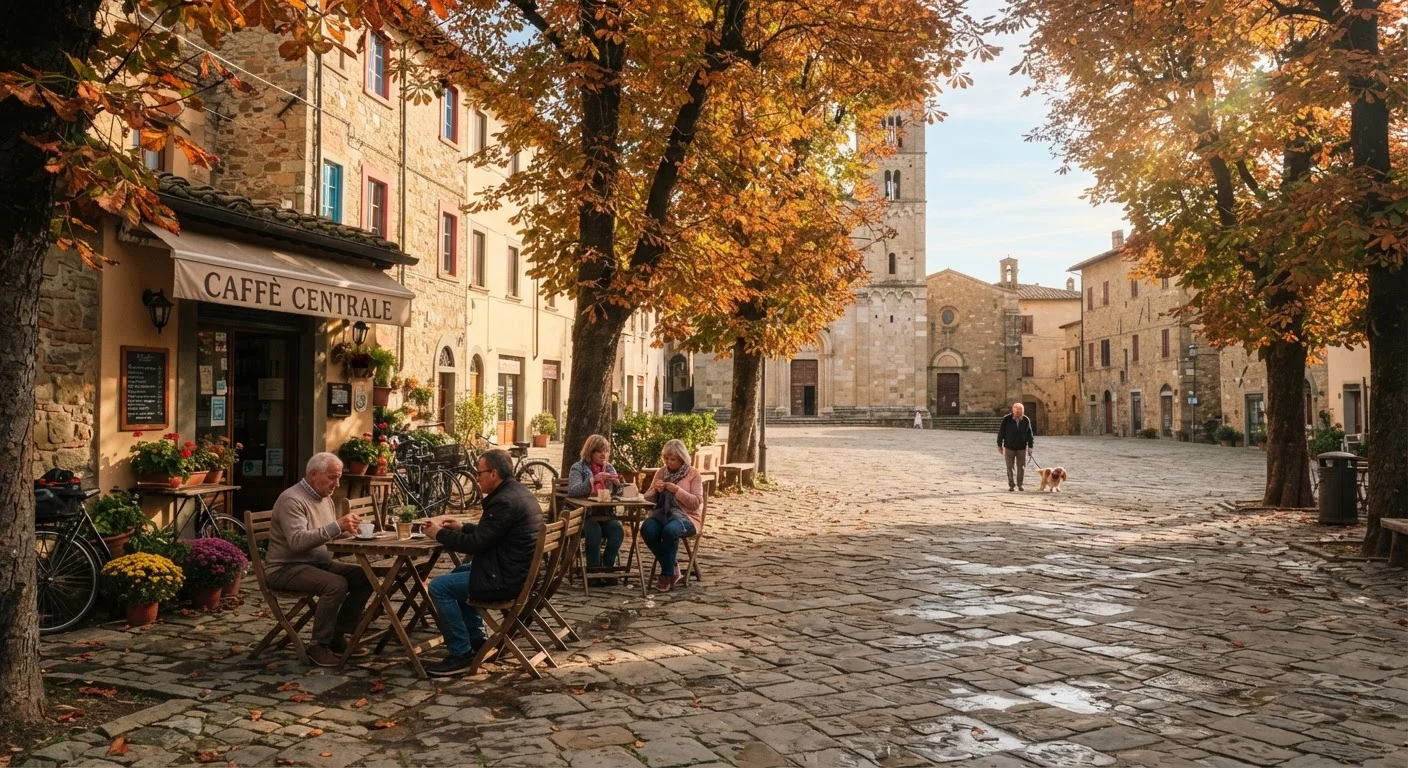
The term describes the transitional periods on either side of peak demand - close enough to the high season that the destination is still fully operational, but far enough out that the tourist surge has either not yet arrived or has recently passed. Think of a Tuscan hill town in late September rather than August, or New Orleans in early November rather than Mardi Gras week.
Understanding this timing matters because it reframes how you experience a place - not just how much you pay for it. See what peak season really signals for a destination to understand how these three tiers - peak, shoulder, and off-season - each shape a trip differently.
How Crowds Change the Character of a Place
This is where shoulder season makes its most tangible impact. Crowd density doesn't just affect comfort - it shapes the entire character of a visit. Standing in front of a famous landmark surrounded by hundreds of other people is a fundamentally different experience than encountering it with room to pause, look, and take it in.
During shoulder season, popular neighborhoods are navigable without constant jostling. Restaurant reservations become possible with reasonable notice. Museum galleries feel like galleries, not rush-hour subways. These aren't small improvements in comfort - they're changes in how meaningful the experience actually is.
30-50%
Typical reduction in visitor volume during shoulder season
Tourism researchers and destination management organizations commonly cite this range when comparing peak to shoulder season visitor counts at major sites.
2-3 weeks
Average shoulder season window length on each side of peak
The precise window varies widely by destination type and climate, but most destinations have a recognizable transitional period of this length before and after peak demand.
There's also a subtler effect: when visitor volume drops, local life reasserts itself. The café that caters exclusively to tourists in July starts serving regulars again in October. The beach town's residents come back to their own shoreline. That shift - from tourist infrastructure back to actual community - is something many travelers say they didn't anticipate but valued deeply.
Weather, Trade-Offs, and What to Expect
The honest truth about shoulder season weather: it's usually pleasant, but less predictable. You're trading the near-guaranteed sunshine of peak months for a mix that might include spectacular clear days, the occasional rainy afternoon, and temperatures that swing more than you'd expect. For some travelers, this is a fine bargain. For others - especially those with limited vacation days who want certainty - it's worth factoring carefully.
In practice, shoulder-season weather often still delivers. Spring shoulder seasons bring blooming landscapes and mild temperatures. Fall versions offer rich colors, cooler air, and the kind of golden-hour light that photographers chase specifically during those months. The key is going in with realistic expectations rather than peak-season assumptions.
Check Operating Schedules Before You Book
Before committing to a shoulder-season trip, verify that the specific attractions, tours, and restaurants you care about will be running during your dates. Many seasonal operators publish their calendars on official websites or regional tourism portals. A quick check now saves real disappointment later.
It's also worth checking what will actually be open during your specific window. Some seasonal businesses - beach bars, ski lifts, boat tour operators - follow tight calendars. Visiting just outside their operating window means discovering things are closed on arrival. A little advance research, especially with common destination details travelers often overlook, goes a long way here.
Is Shoulder Season Right for Your Travel Style?
Shoulder season isn't universally superior - it's situationally better for certain travelers and certain trips. If your ideal vacation involves a packed agenda of outdoor activities in guaranteed warm weather, peak season may serve you better. If you're after atmosphere, cultural immersion, and the ability to move through a place without fighting crowds, shoulder season has a lot to offer.
Solo travelers and couples tend to adapt most easily to shoulder-season variability. Families with school-age children often face scheduling constraints that make true shoulder seasons difficult to access. Group trips may find that some of the shoulder-season logistics - variable hours, fewer tour operators running - require more advance coordination.
Thinking about how structured your travel style is can also help here. Shoulder-season trips often reward some flexibility. See how structured versus open-ended planning affects your trip for a practical breakdown. And if you're still figuring out what kind of traveler you are, matching destinations to your travel style can help you zero in on the right approach.