

Key Takeaways
- Peak season signals maximum crowds and prices, not necessarily the best weather or experience.
- Shoulder season often delivers similar conditions to peak at meaningfully lower cost.
- Off-season travel suits flexibility-first travelers willing to accept some trade-offs.
- Season definitions vary by destination type - beach peaks differ from ski resort peaks.
- Knowing the season helps you time bookings and set realistic expectations.
Peak Season
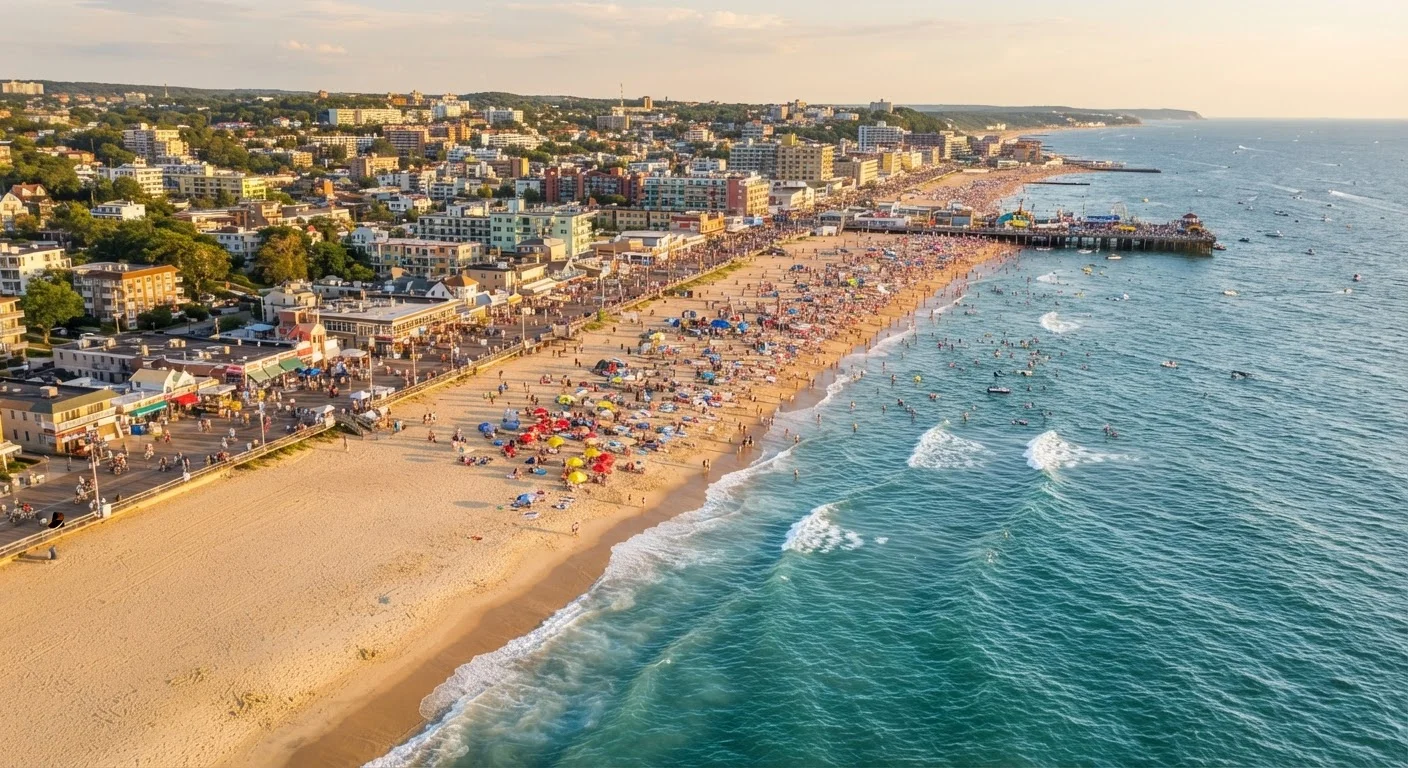
Peak season is the time of year when a destination sees its highest number of visitors. It's driven by factors like school schedules, weather, holidays, and cultural events. During peak season, demand for flights, hotels, and attractions rises sharply - and so do prices and crowds.
The opposite of peak season is 'off-season' or 'low season.' The middle ground - 'shoulder season' - refers to the transitional weeks or months between the two extremes, often offering the most favorable balance of conditions and cost.
The Three Seasons Every Traveler Should Know
When you search for flights or hotels and notice prices swinging wildly depending on the dates you select, season is almost always the reason. Understanding how peak, shoulder, and off-season work gives you real leverage in planning - not just a vague sense that summer travel is expensive.
Peak season is when a destination operates at or near full capacity. Demand from travelers outpaces supply of rooms and seats, so prices climb and attractions get crowded. Shoulder season is the transitional window on either side of peak - typically offering favorable conditions with fewer visitors. Off-season (also called low season) is when visitor numbers drop significantly, often due to weather, school calendars reverting, or simply reduced interest.
None of these labels is inherently good or bad. Each signals a different kind of travel experience, and knowing which one matches your priorities is the real planning advantage.
3-4x
Typical hotel rate multiplier, peak vs. off-season
Rate variations between peak and low season at popular beach resorts can be dramatic; exact figures vary by property and destination.
85%
Of U.S. national park visits concentrated in summer months
The National Park Service reports that visitation is heavily weighted toward June-August at most major parks, creating significant congestion.
6-8 weeks
Average shoulder season window at most destinations
Travel industry research generally places shoulder season at four to eight weeks on either side of the peak window, varying by destination type.
Season Isn't Universal - It's Destination-Specific
A common planning mistake is treating all destinations as if they follow the same seasonal calendar. They don't. A few examples make this clear:
- Beach destinations (Caribbean, Florida Gulf Coast, Hawaii): Peak typically runs from late December through April for warm-weather escapes, and again mid-summer for domestic family travel. Hurricane season - roughly June through November - overlaps with off-season pricing in the Caribbean.
- Mountain and ski resorts (Colorado, Utah, Vermont): Peak is December through March. Summer hiking season is a secondary peak at many resorts. The mud-season weeks in early spring are true off-season.
- European cities: Summer (June-August) is peak for most major cities. Christmas markets create a secondary peak in winter. April-May and September-October are classic shoulder windows.
- National Parks: Summer is peak for most, especially parks in the West. Some parks - like the Everglades - have a winter dry season that draws the most visitors.
If you're exploring specific destination types before committing to a trip, understanding their seasonal patterns should be one of your first research steps.
A family books a Caribbean cruise for late August, expecting a deal - and discovers hurricane-season conditions, choppy seas, and reduced port options.
A couple visits Iceland in late May, just after the spring shoulder season begins, and finds themselves with nearly empty waterfalls and manageable hotel rates.
A solo traveler heads to New Orleans in early December, outside of Mardi Gras and Jazz Fest season, and pays significantly less for accommodations while still finding the city's food and music scene fully active.
What Each Season Actually Costs You - Beyond the Price Tag
Peak season costs aren't just financial. Yes, flights and hotels are more expensive, but there are other real trade-offs worth considering:
Peak: Higher prices, longer waits at popular attractions, sold-out accommodations if you book late, and a general sense of busyness that some travelers love (lively atmosphere) and others find exhausting. If you're traveling with school-age kids, peak season is often unavoidable - and knowing that helps you plan earlier.
Shoulder: Conditions are often surprisingly close to peak-season quality. Early fall on the New England coast, for instance, offers foliage, cooler temps, and far fewer crowds than August. The trade-off might be that a particular seasonal restaurant is closed or a beach bar has shortened hours.
Off-season: The biggest savings and the fewest tourists - but weather risk is real, and some destination infrastructure scales back significantly. An off-season trip to a ski town in October means no skiing and possibly limited dining options, but potentially wonderful hiking and low-cost lodging.
Matching your travel style to the right season is worth thinking through before you book. See how your planning style interacts with seasonal flexibility - structured itineraries and open-ended trips each handle shoulder and off-season conditions very differently.
Check Local School and Holiday Calendars
Peak season at many destinations is driven not just by weather but by school breaks and public holidays - including those of the destination country. A European city that feels shoulder-season quiet to American visitors can spike in crowds during a local national holiday. Cross-referencing the destination's own holiday calendar with your travel dates is a quick, often overlooked planning step.
Using Season to Plan Smarter, Not Just Cheaper
Knowing a destination's seasonal calendar helps with more than price hunting. It shapes when to act on every part of your trip. Peak-season travel to a major national park might mean booking accommodations six months out; shoulder-season travel to the same park might leave you options just weeks ahead.
A practical approach: decide first what kind of experience you want, then find the season that delivers it. If you want vibrant beach energy with a full roster of restaurants and activities, peak season might be worth the premium. If you want trails to yourself and a quieter vibe, shoulder or off-season is your ally.
Once you've identified your target window, the trip planning timeline - from flights to restaurant reservations - shifts significantly based on your chosen season. Peak travel requires earlier action on almost every booking decision.
And if you're still nailing down what kind of trip you actually want, exploring your travel style first can help you choose both a destination and the season where you'll thrive.