

Tech & Connectivity

Before You Buy a Secondhand Gadget: What to Check First

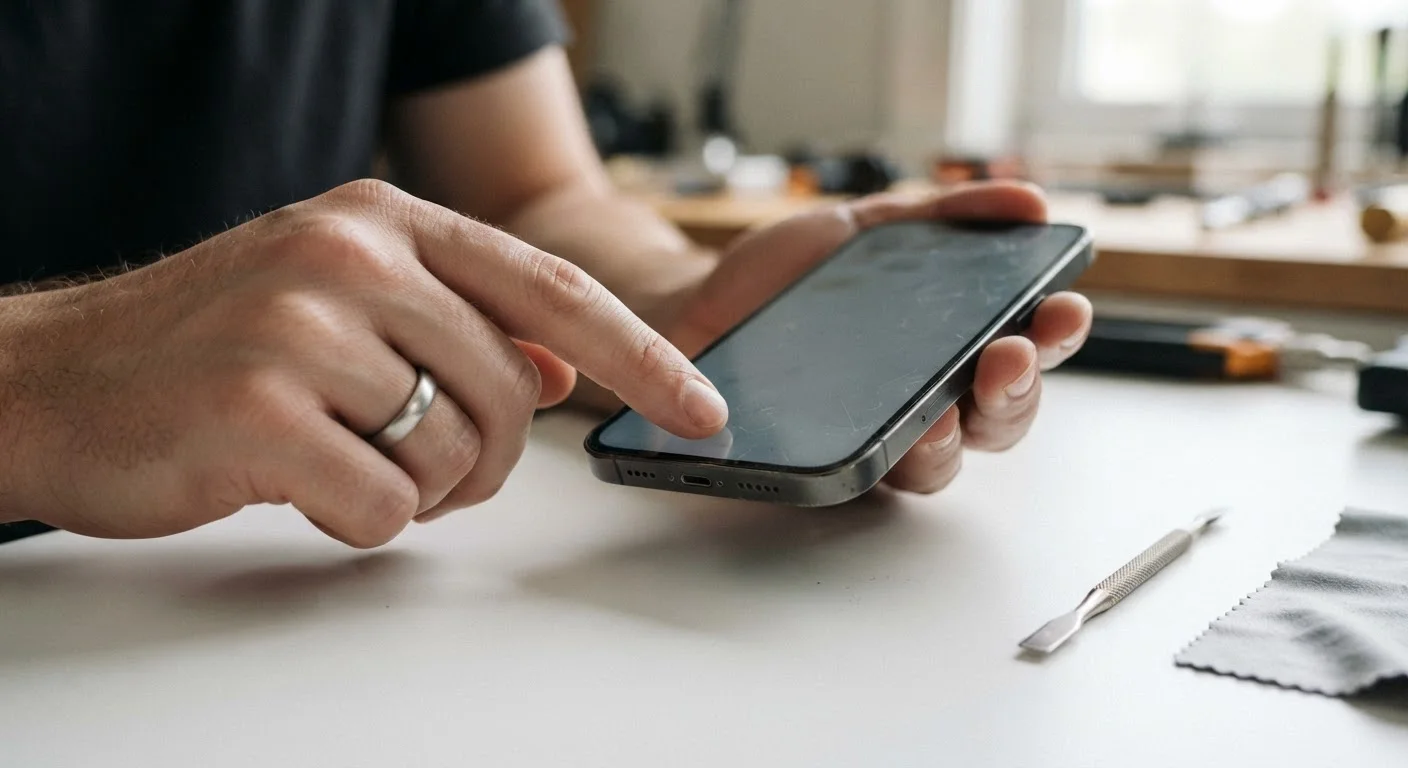
Person carefully inspecting a used smartphone on a white table for defects and damage

Key Takeaways

  • Verify a device's IMEI or serial number against carrier and manufacturer databases before paying.
  • Cosmetic damage often signals deeper hardware problems — inspect every port, button, and surface.
  • Battery health is a hidden cost: a degraded battery may need replacement within months.
  • Always test core functions — cameras, speakers, charging, and connectivity — in person when possible.
  • Confirm the device is fully unlocked and not tied to another person's account before completing the sale.
20–45 min

Summary

18 items · 20–45 minutes

Why Used Devices Deserve a Careful Look

Buying a secondhand phone, tablet, or laptop can stretch your tech budget significantly — but the savings evaporate fast if the device has a failing battery, a carrier lock, or a flagged serial number. Unlike buying a used car (see our guide on how to evaluate a used car before committing for a useful comparison), used gadgets carry risks that are easy to overlook without a structured process.

This checklist walks you through exactly what to verify — in order of importance — before handing over any money. Whether you're buying from a private seller, a resale marketplace, or a refurbisher, the same fundamentals apply.

Required

IMEI Checker

Verifies whether a phone or tablet's IMEI number has been reported stolen or blacklisted by carriers.

Required

Manufacturer Serial Number Lookup

Confirms a device's warranty status, original specs, and whether it has been flagged by the manufacturer.

Optional

Battery Diagnostic App (Android)

Reads battery cycle count and health metrics on Android devices where built-in tools are limited.

Optional

Bright Flashlight or Ring Light

Illuminates the screen and ports at angles that reveal cracks, discoloration, and corrosion not visible under standard lighting.

The Inspection Checklist

Work through these checks systematically. Some can be done remotely using a device's model number or IMEI; others require hands-on time with the gadget itself. If a seller won't allow an in-person inspection or won't share verifiable details, treat that as a significant red flag.

Identity & Status Checks

Look up the device's IMEI (phones/tablets) or serial number using the manufacturer's website or a third-party checker to confirm it has not been reported stolen or blacklisted. Must
Verify the device is not currently enrolled in a financing program with an unpaid balance, which can result in carrier blocks even after purchase. Must
Confirm the device is fully unlocked from any carrier, or verify it is compatible with your specific carrier before agreeing to a price. Must
Check whether the device has an active Find My (Apple) or Find My Device (Google/Android) lock — ask the seller to demonstrate it is signed out and lock-free. Must

Physical Condition

Inspect the screen under bright light at multiple angles for cracks, dead pixels, burn-in, or discoloration that may not be obvious in dim lighting. Must
Examine all ports (charging, headphone, SIM tray) for corrosion, debris, or physical damage that could affect connectivity or future repairability. Must
Check buttons, switches, and the overall chassis for bending, warping, or signs of water damage such as discolored indicators inside the SIM tray. Should
Look up the device's original release date to gauge expected remaining lifespan and software support from the manufacturer. Should

Battery & Performance

On iPhones, check Battery Health in Settings > Battery > Battery Health & Charging; aim for 80% or above to avoid an imminent replacement cost. Must
On Android devices, use the built-in diagnostic mode or a trusted third-party app to view cycle count and battery condition before agreeing to a price. Must
Ask for a live demonstration of charging — confirm the device charges at a normal rate and that the port does not require specific cable positioning to maintain a connection. Should
Run the device for at least 10 minutes to check for unusual heat, performance slowdowns, or unexpected shutdowns during normal use. Should

Functional Testing

Test all cameras (front and rear), including video recording, to verify autofocus, image clarity, and that no lens is cracked or fogged internally. Must
Make a phone call and play audio through the speakers and microphone to confirm both work clearly without distortion or dropout. Must
Connect to Wi-Fi and — if applicable — verify cellular data, Bluetooth pairing, and GPS lock are all functional. Must
On laptops, stress-test the keyboard, trackpad, webcam, and each USB/video port to catch intermittent hardware faults. Should

Software & Account Clearance

Confirm the device has been factory reset and that no prior owner accounts, apps, or personal data remain before you complete the transaction. Must
Verify the device can still receive current operating system updates — if it is too old to receive security patches, factor that risk into your decision. Should
Check whether any enterprise or school Mobile Device Management (MDM) profile is installed, which could restrict features or allow remote control by a third party. Nice to have

Account Locks Can Make a Device Useless

An active iCloud Activation Lock or Android Factory Reset Protection lock renders a device nearly unusable without the original owner's credentials. No reputable repair shop can bypass these protections. Always verify — with a live demonstration — that the seller has fully signed out of every account and disabled all locks before money changes hands. If a seller claims they'll 'sort it out later,' walk away.

Once you've confirmed the device checks out, it's also worth reviewing your finances before committing. Our checklist on checking your credit before a major financial decision is a useful companion if you're financing the purchase. And if this device requires activating a new plan, see what to check before signing a phone contract to avoid locking yourself into unfavorable terms.

Tech & Connectivity Editorial Team is the collective byline for our editorial team and contributor network. Articles published under this byline or an editorial pen name are researched, written, and reviewed according to our editorial standards for clarity, consistency, and independence before publication.

View all articles by Tech & Connectivity Editorial Team →
Disclaimer: The content on this site is provided for informational purposes only and should not be considered a substitute for professional advice. While we strive to provide accurate and up-to-date information, we make no guarantees regarding its completeness or accuracy. Always consult a qualified professional for advice specific to your circumstances before making any decisions.