

Key Takeaways
- Always pull a vehicle history report before agreeing to view or purchase a used car.
- A pre-purchase inspection by an independent mechanic is one of the most valuable steps you can take.
- Rust, mismatched paint, and uneven panel gaps are common signs of prior collision damage.
- Test drive the vehicle under varied conditions, including highway speeds and hard braking.
- Never let urgency or pressure rush you past the inspection process.
What you will need
Why a Structured Evaluation Matters
Buying a used car without a systematic evaluation is one of the most common and costly mistakes consumers make. Unlike a new vehicle, a used car carries an unknown history - maintenance habits, accident repairs, and environmental exposure all shape its condition in ways that aren't obvious at a glance. A disciplined evaluation process gives you an accurate picture before money changes hands.
This guide is designed to work whether you're purchasing from a dealership or a private seller. For a broader view of the entire buying process, see our full car-buying journey guide. If you haven't yet done your homework on the specific vehicle, research you should complete before visiting.
What you will need
What You'll Need
Gather these resources and tools before scheduling your visit. Having them ready means you won't be scrambling once you're standing in front of the vehicle.
Vehicle History Report
Reveals accident history, title status, odometer readings, and prior ownership records tied to the VIN.
Flashlight
Illuminates undercarriage, engine bay, and interior corners where damage or rust may be hidden.
OBD-II Scanner
Reads stored diagnostic trouble codes from the car's computer, flagging unresolved mechanical issues.
Tire Tread Depth Gauge
Measures remaining tire tread to assess wear and estimate replacement costs.
The Evaluation Process, Step by Step
Follow these steps in order. Skipping early steps - particularly the history report and exterior inspection - often means discovering preventable problems only after the transaction is complete.
Pull the Vehicle History Report
Before you ever see the car in person, obtain a history report using the VIN. Look for any record of major accidents, flood or fire damage, salvage or rebuilt title designations, odometer rollbacks, and the number of previous owners. A clean report is encouraging, but it isn't a guarantee - not all incidents are reported to insurers or authorities.
Inspect the Exterior Carefully
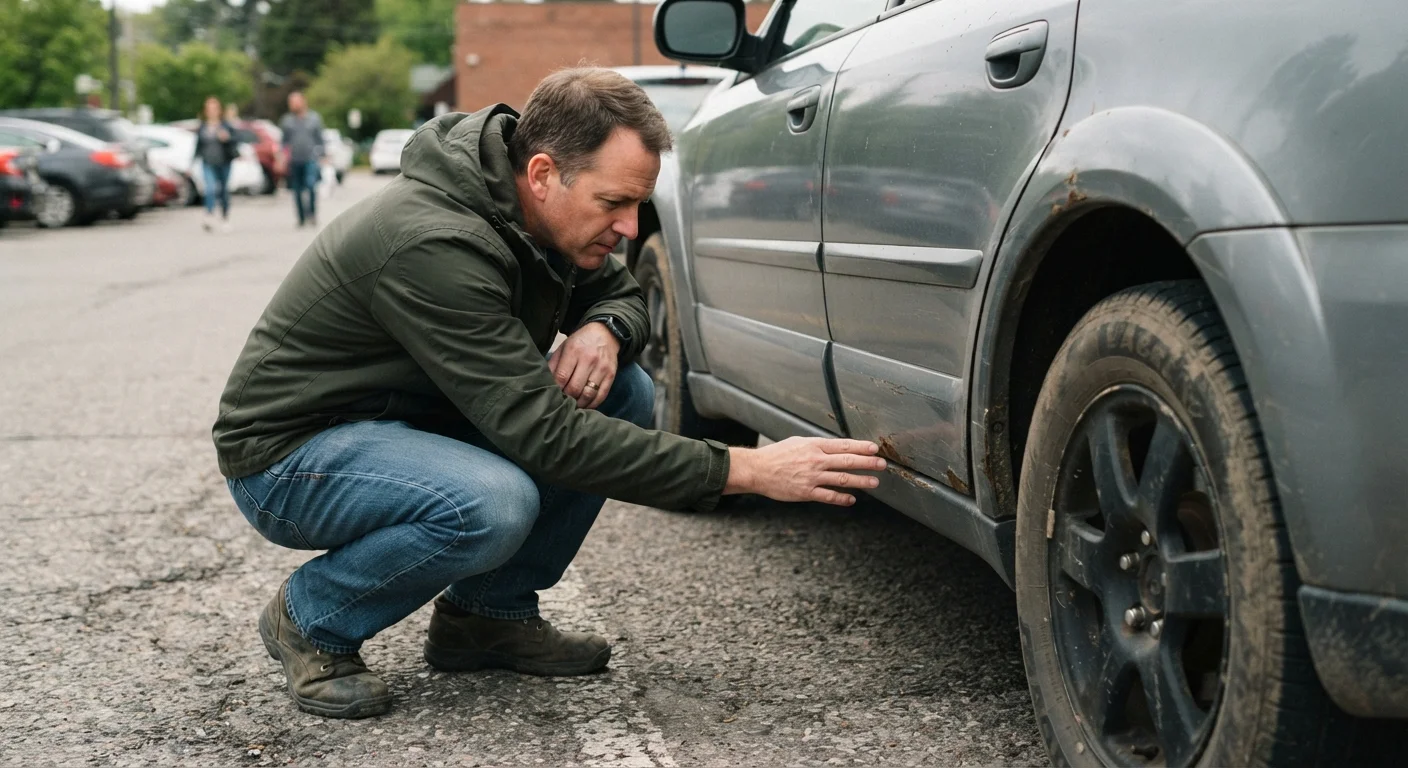
Walk the full perimeter of the vehicle in good daylight. Crouch down and look along each panel from a low angle - this reveals ripples or waves in the metal that indicate prior bodywork. Check for mismatched paint color or texture between adjacent panels, and inspect panel gaps (the spaces between doors, hood, and fenders) for consistency. Uneven gaps often mean a panel was removed or replaced after a collision.
Examine the wheel wells and underside of the rocker panels (the strips running beneath the doors) for rust. Surface rust on older vehicles is common, but flaking or structural rust is a serious concern.
Inspect the Interior and Electrical Systems
Sit in every seat and operate every control: windows, mirrors, climate system, infotainment, horn, turn signals, and all lights. Check for water stains or a musty smell in the carpet and trunk - these can indicate flood exposure even when a history report shows none. Examine the headliner and door seals for discoloration or warping.
Check seat adjustment mechanisms and seatbelt retractors, and confirm that all warning lights on the dashboard extinguish normally after startup.
Evaluate the Engine Bay
With the engine cold, check all fluid levels: engine oil, coolant, brake fluid, and power steering fluid if applicable. Oil that looks milky or frothy can suggest a failing head gasket - a costly repair. Coolant should be a consistent color with no oily sheen. Look for fresh oil seeping around gaskets or hoses, and check for cracked or brittle belts and hoses.
Start the engine and listen for knocking, ticking, or rattling sounds, especially in the first moments before the engine warms up.
Conduct a Thorough Test Drive
Drive the car under varied conditions: city speeds with frequent stops, a stretch of highway for at least 10-15 minutes, and if possible, a winding road. During the drive, listen for clunks or rattles over bumps, brake squeal or pulsing when you stop, pulling to one side under braking or during normal driving, and any hesitation or roughness during acceleration.
Turn off the radio and listen to the car. Many transmission, suspension, and brake issues are easier to hear than to feel, especially at early stages.
Schedule a Pre-Purchase Inspection
Arrange for an independent mechanic - one with no relationship to the seller - to inspect the vehicle on a lift. A proper pre-purchase inspection covers brakes, suspension and steering components, tires, exhaust, fluid leaks, and an OBD-II diagnostic scan for stored fault codes. The mechanic can also assess frame straightness, which helps identify prior collision damage not apparent from a visual check.
Use the inspection findings as both a decision-making tool and, if issues are found, as a basis for renegotiating the asking price.
Don't Skip the Independent Inspection
A seller's assurance - or even a dealer's certification - is not a substitute for an independent pre-purchase inspection (PPI) by a qualified mechanic of your choosing. PPIs typically cost between $100 and $200 and can surface hidden mechanical or safety problems that visual checks miss. If a seller refuses to allow an independent inspection, treat that as a serious warning sign and walk away.
Making Your Decision
Once you've completed each step, you'll have a clear picture of the vehicle's condition, ownership history, and any near-term costs you'd be taking on. Use that information objectively. If the inspection surfaces significant issues, you have three reasonable options: negotiate a lower price that reflects the repair costs, ask the seller to address specific problems before sale, or walk away entirely.
No single used car is irreplaceable. The discipline to decline a vehicle that doesn't meet your standards is one of the most practical skills in the buying process. For guidance on how purchasing context affects your protections and options, see our comparison of buying from a dealership versus a private seller.
If financing is part of your plan, it's worth reviewing your credit standing before applying for a loan - our credit review checklist walks you through what to look at. And once you own the vehicle, ongoing care matters: our car maintenance resources cover the essentials for keeping your vehicle reliable long-term.
Know Your Fair Market Value Before You Go
Arriving without a sense of the vehicle's market value puts you at a negotiating disadvantage. Research the going range for the specific year, make, model, trim level, mileage, and condition before you meet the seller. This context helps you recognize whether the asking price is reasonable and gives you a factual footing for any negotiation after the inspection.
Pressure to Decide Quickly Is a Red Flag
A legitimate seller generally has no reason to rush your evaluation. Claims that 'another buyer is coming tomorrow' or insistence that you skip the mechanic inspection are pressure tactics - or evidence the seller knows something you don't. Take the time the process requires, and be prepared to walk away if that time isn't granted.