

Key Takeaways
- A standard inspection covers visible, accessible systems - not hidden or specialty items.
- Inspectors identify conditions, but they do not diagnose or repair problems.
- Radon, mold, septic, and sewer line testing require separate specialist inspections.
- Inspection findings can be used as negotiating leverage before closing.
- Skipping or waiving an inspection to win a bidding war carries real financial risk.
Standard Home Inspection
A standard home inspection is a visual examination of a property's major systems and structural components, conducted by a licensed professional before a real estate transaction closes. The inspector evaluates what is visible and accessible - things like the roof, foundation, electrical panel, plumbing fixtures, and HVAC equipment. The goal is to give the buyer a clear picture of the home's current condition so they can make an informed decision.
Home inspectors in most U.S. states follow the Standards of Practice published by organizations such as the American Society of Home Inspectors (ASHI) or InterNACHI, which define the minimum scope an inspection must cover and explicitly list what falls outside that scope.
What a Standard Inspection Covers
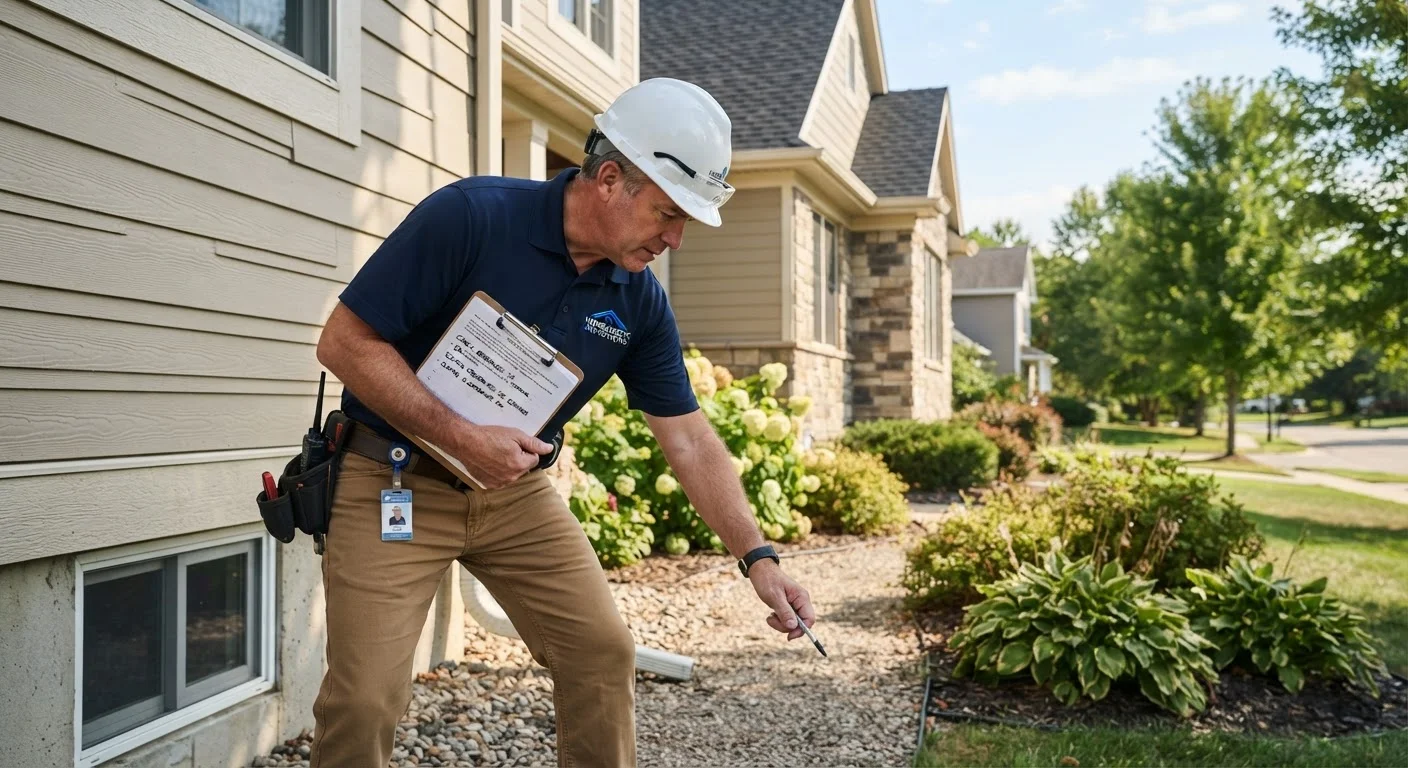
When a licensed home inspector walks through a property, they are evaluating the visible and accessible components of the home's major systems. This typically includes:
- Roof: Condition of shingles, flashing, gutters, and visible decking from a safe vantage point
- Foundation and structure: Visible cracks, settling, and signs of water intrusion in the basement or crawlspace
- Exterior: Siding, grading (how the land slopes away from the house), driveways, and visible drainage
- Electrical system: Panel condition, wiring type, outlets, and GFCI protection in kitchens and bathrooms
- Plumbing: Visible pipes, water pressure, water heater condition, and drain function
- HVAC: Heating and cooling equipment, ductwork, and filters
- Interiors: Walls, ceilings, floors, windows, and doors for signs of damage or dysfunction
- Attic and insulation: Visible insulation levels and signs of moisture or pest activity
The inspector documents each area and flags items that are deficient, nearing end of life, or potentially unsafe. Knowing this scope helps you interpret the report rather than being overwhelmed by it. For a deeper look at seasonal maintenance issues an inspector might surface, see our spring home inspection walkthrough.
Attend the Inspection in Person
Wherever possible, be present during the inspection rather than just reading the final report. Walking through with the inspector lets you see issues firsthand, ask questions, and understand the severity of any findings - context that rarely comes through in written notes alone.
What Falls Outside the Standard Scope
Understanding what inspectors do not cover is just as important as knowing what they do. Standard inspections are visual and non-invasive - inspectors won't open walls, dig up yards, or operate systems that appear unsafe. Common exclusions include:
- Radon: Requires a separate test using specialized equipment; elevated radon is a genuine health concern in many U.S. regions
- Mold: Inspectors may note visible mold or conditions that promote growth, but lab-based air quality or surface sampling is a separate service
- Septic and well systems: Private water and waste systems need dedicated specialist evaluations
- Sewer lines: A camera scope of underground sewer lines is a separate inspection that can reveal root intrusion or collapsed sections
- Chimney interior: A Level II chimney inspection by a certified sweep goes beyond what a general inspector assesses
- Pest and termite: Wood-destroying organism (WDO) reports are often required separately by lenders
- Pools and spas: Mechanical systems for pools typically require a dedicated inspector
None of these exclusions means they are unimportant - quite the opposite. If a home has a septic system or is in a radon-prone area, ordering those specialist inspections before closing can prevent expensive surprises later.
Specialist Inspections Add Cost - and Value
Each specialist inspection (radon, sewer scope, septic, mold) adds to your upfront costs, but so does discovering a hidden problem after closing. Think of specialist inspections as targeted due diligence on specific risk factors present in that property or region. Your real estate agent can often advise which are most common or critical in the local market.
How to Use the Report Strategically
Receiving a long inspection report full of flagged items is normal - it does not mean the home is a poor choice. Inspectors note everything from cosmetic scuffs to significant structural concerns, and it is the buyer's job (often with the help of their real estate agent) to sort major issues from minor ones.
Items inspectors flag generally fall into a few categories: safety hazards (missing handrails, electrical issues), immediate repairs (a failing water heater), deferred maintenance (aging roof shingles with a few years of life remaining), and informational notes (non-standard but functional wiring). Prioritize the first two categories when deciding whether to negotiate or request repairs.
Unpermitted additions can also surface during an inspection - work done without proper permits may not meet code and can create liability at resale. Understanding permit requirements in your area is worth the effort; our article on when home projects require a permit explains the basics. For questions about what repairs you might realistically take on afterward, knowing when to DIY versus call a pro is a helpful reference.
An inspection report is general financial information, not a repair guarantee. For decisions involving significant costs, consult a licensed contractor or real estate attorney before proceeding.