

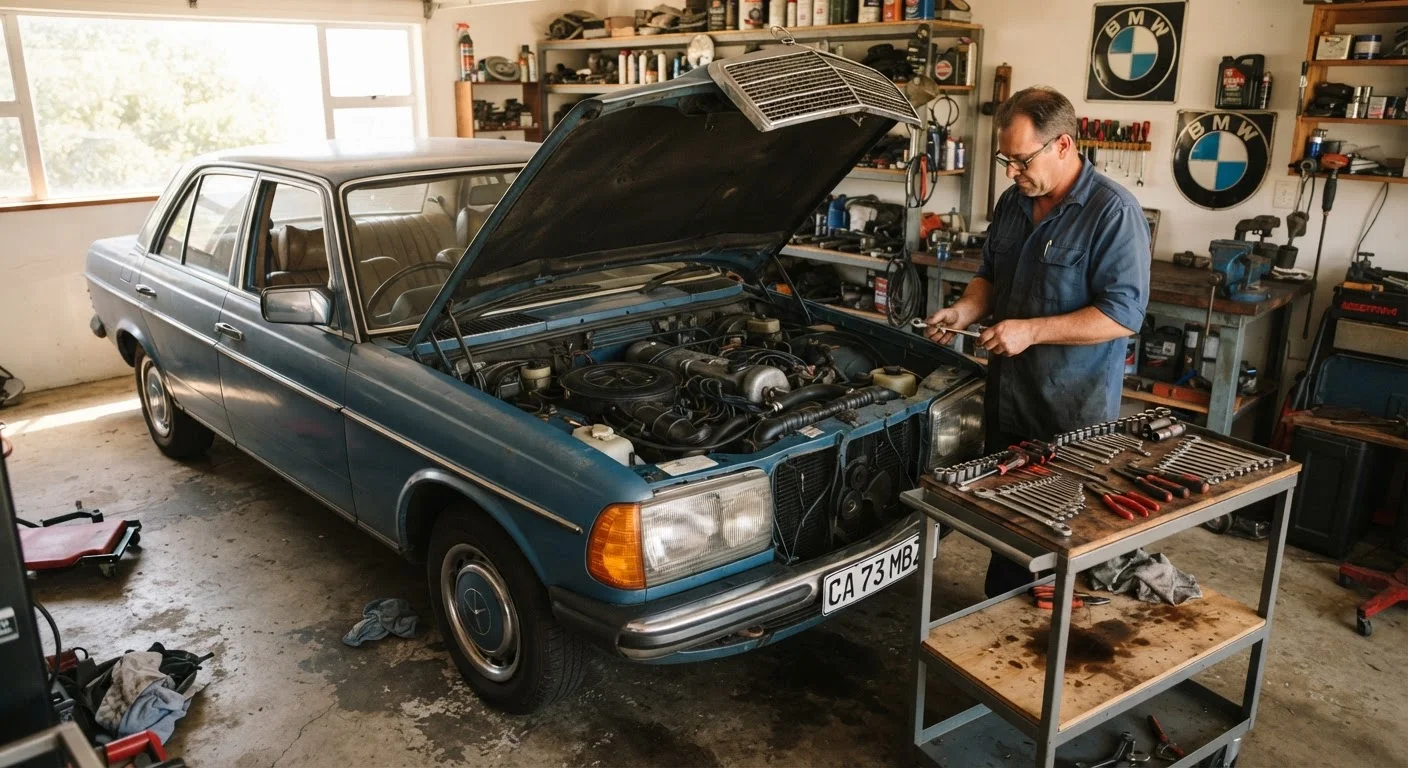
Key Takeaways
- Switching to high-mileage oil formulations can reduce engine wear in vehicles over 75,000 miles.
- Cooling system maintenance is often neglected but becomes critical in older, high-mileage engines.
- Addressing minor fluid leaks and worn seals early prevents compounding damage down the road.
- Consistent attention to spark plugs, belts, and transmission fluid extends drivetrain reliability significantly.
- Your owner's manual remains the most reliable source for interval-based maintenance guidance.
Why High-Mileage Vehicles Demand a Different Approach
Once a vehicle crosses the 100,000-mile threshold, its needs shift. Internal components have accumulated wear, seals may have lost some flexibility, and systems that rarely caused trouble earlier in the vehicle's life begin to require closer attention. This doesn't mean an older car is unreliable - it means the maintenance strategy needs to evolve alongside it.
The good news is that most high-mileage vehicles fail not from age alone, but from neglect that compounds over time. Drivers who stay proactive - adjusting their habits to match what the vehicle actually needs at this stage - often keep their cars running reliably well past 200,000 miles. See how routine upkeep connects to long-term reliability in our look at the long-term payoff of routine maintenance.
Switch to a high-mileage engine oil formulation once your vehicle exceeds 75,000 miles.
High-mileage oils contain additives - such as seal conditioners - that help restore flexibility to aging gaskets and O-rings, reducing the minor seepage common in older engines. They also tend to carry higher viscosity ratings that provide a more protective film between worn metal surfaces. Continuing to use standard oil in a high-mileage engine means missing these targeted benefits.
Flush and refill your cooling system according to your manufacturer's recommended interval.
Coolant (antifreeze) degrades over time, losing its ability to prevent corrosion inside the engine and radiator. Older engines with higher mileage are more vulnerable to overheating because their water pumps, hoses, and thermostats have already experienced years of thermal stress. A neglected cooling system is one of the leading causes of serious engine damage in high-mileage vehicles.
Inspect and replace spark plugs on schedule, and don't skip the ignition wires.
Worn spark plugs force the ignition system to work harder, reducing fuel efficiency and increasing engine stress. In high-mileage engines, degraded spark plugs can also cause misfires that stress the catalytic converter - an expensive component to replace. Ignition wires on older vehicles develop cracks in their insulation that interrupt reliable spark delivery.
Check and service your transmission fluid, especially if it has never been changed.
Transmission fluid lubricates and cools one of the most complex and costly systems in your vehicle. As mileage accumulates, fluid breaks down and contaminants build up, increasing wear on internal components. Many drivers skip this service entirely, which significantly shortens transmission life - particularly in vehicles that see frequent stop-and-go or towing use.
Monitor all rubber components - hoses, belts, and boots - and replace them proactively.
Rubber degrades with age and heat exposure regardless of visible mileage-based wear. A serpentine belt failure stops the engine immediately; a cracked radiator hose can cause overheating within minutes. CV (constant velocity) axle boots that split allow grease to escape and contaminants to enter, leading to joint failure. High-mileage vehicles often have components approaching or past their service life across multiple systems simultaneously.
The Habits That Make the Biggest Difference
Not all maintenance tasks carry equal weight for older vehicles. The following practices address the specific vulnerabilities that tend to emerge with accumulated mileage - and they're within reach for any driver willing to stay consistent.
Understanding what these intervals actually cost over time can help you prioritize. Our guide to car maintenance costs over time breaks down the math clearly.
Listening to Your Car and Knowing When to Escalate
High-mileage driving rewards attentiveness. Small changes - a new noise at idle, slightly longer crank time before the engine starts, a faint burning smell after highway driving - are worth noting and acting on. These signals often appear weeks or months before a component fails outright.
~$1,200
Average cost of a neglected cooling system failure
Radiator replacements, head gasket repairs, and related overheating damage commonly exceed $1,000 in parts and labor, according to automotive repair cost data from industry sources.
200,000+
Miles achievable with consistent maintenance
Consumer and fleet data consistently show that vehicles receiving regular, interval-based maintenance frequently surpass 200,000 miles of reliable service life.
Your owner's manual remains the most reliable reference for service intervals your vehicle was actually engineered to follow. Don't rely solely on generic mileage rules - manufacturer specifications account for your specific engine design, fluid capacities, and component tolerances. When symptoms arise that you can't confidently identify, a qualified mechanic's assessment is worth the diagnostic fee. Catching a failing water pump or a cracked serpentine belt early costs far less than the repairs that follow if those parts give out completely.
When to Consult a Qualified Mechanic
Some high-mileage maintenance tasks - such as timing belt replacement, transmission servicing, or diagnosing persistent warning lights - require professional tools and expertise. Attempting complex repairs without proper training or equipment can cause additional damage or create safety risks. When in doubt, an inspection from a qualified mechanic provides clarity and peace of mind that's worth the cost.