

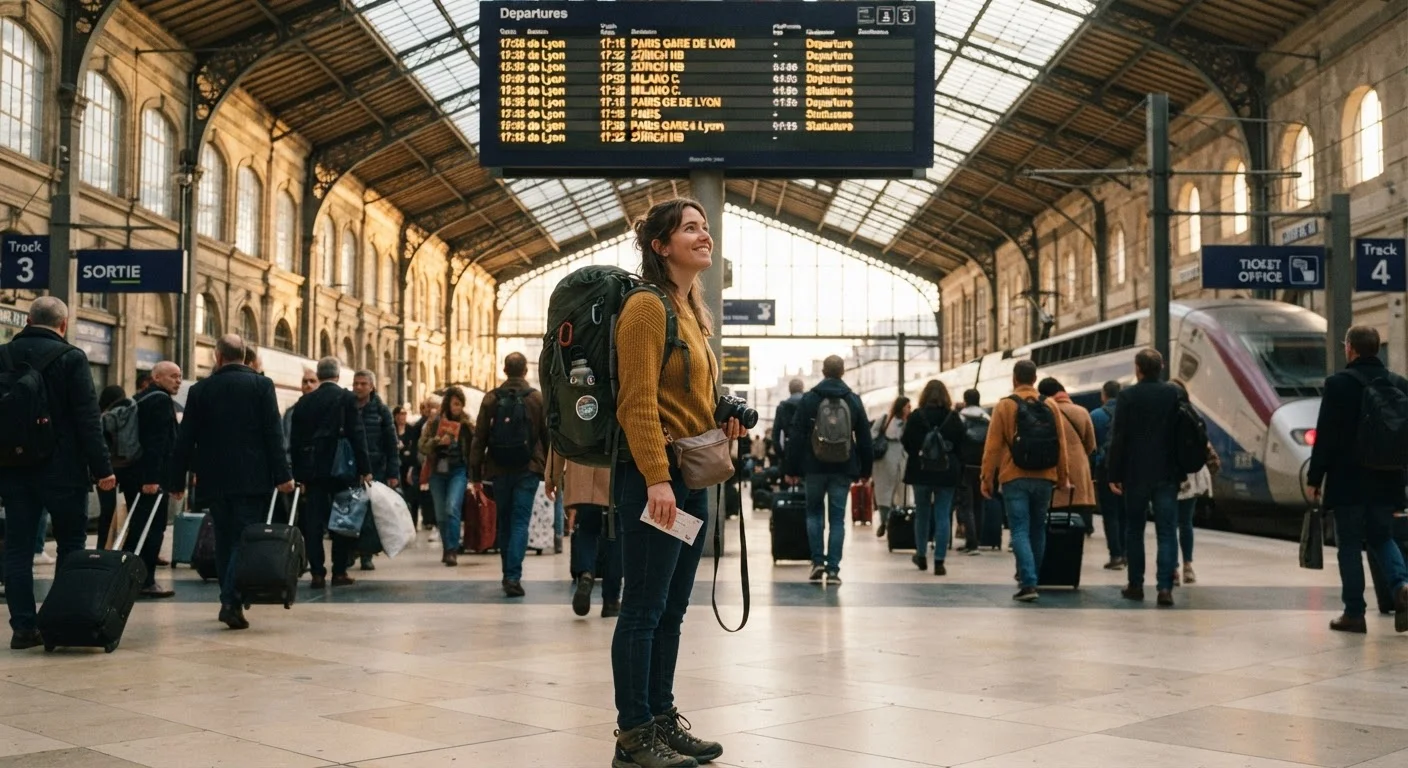
Key Takeaways
- Choosing a manageable first destination dramatically reduces first-trip anxiety.
- Navigation, budgeting, and communication skills can be practiced before you ever leave home.
- Solo travelers benefit most from light, flexible itineraries rather than rigid schedules.
- Knowing when to ask for help - and how - is one of the most underrated travel skills.
- Safety awareness and confident body language are habits, not personality traits.
What you will need
Why Solo Travel Feels Different - and Why That's the Point
Group travel has a built-in cushion: someone else knows the gate number, someone else asks the waiter, someone else decides when to leave. Solo travel removes that cushion entirely - and that removal is exactly what makes it transformative. Every decision, small or large, lands with you. That sounds daunting, but in practice it's clarifying. You move at your own pace, follow your own curiosity, and discover what you actually want from travel rather than what fits the group's consensus.
The skills that make solo travel work aren't personality traits you're either born with or not. They're learnable, repeatable habits. Trip planning looks different when you're the only planner, but it doesn't have to be harder - just more intentional. Think of your first solo trip as a skills-building exercise as much as a vacation. The destination matters, but the confidence you bring home matters more. See our guide to matching destinations to your travel style to start narrowing your options.
Start Domestic, Then Go International
If international travel feels like a big leap, book a solo domestic trip first - even just a weekend in a nearby city. You'll practice all the core skills (navigation, budgeting, eating alone, problem-solving) in a lower-stakes environment before adding language barriers or customs queues.
What to Know Before You Go
Preparation is the quiet engine behind confident solo travel. It doesn't mean having every moment planned - it means removing the avoidable surprises. Start with the basics: accommodation confirmed for at least your first night, a general sense of how to get from the airport or station to where you're staying, and key local information like emergency numbers and the address of the nearest U.S. embassy or consulate if traveling internationally.
Verify Entry Requirements Before You Book
Visa rules, passport validity requirements, and health documentation change frequently. Always check official government sources - such as travel.state.gov for U.S. passport holders - before confirming any international booking. Do not rely solely on travel blogs or booking platforms for this information.
Logistics sorted, turn to tools. You don't need every travel app ever made - you need a few reliable ones that work offline. Download maps, translation packs, and any reservation confirmations before you leave home Wi-Fi. Print or screenshot anything critical. If you're heading abroad for the first time, this guide to what to expect before, during, and after your first international trip covers the full arc so nothing catches you off guard. And if you're earlier in your planning stage, this international trip planning framework walks through every stage from passports to packing.
Offline maps app (e.g., downloaded city maps)
Navigate confidently without relying on cellular data, especially in areas with poor signal.
Translation app with offline language packs
Communicate basic needs and read signs when traveling somewhere with a language barrier.
Physical copies of key documents
Backup if your phone is lost, stolen, or runs out of battery - include passport, insurance, and accommodation addresses.
A small, cross-body day bag
Keeps essentials secure and close during daily sightseeing without broadcasting that you're a tourist.
The Steps: Building Each Core Skill on the Road
The following steps walk you through the practical skills that turn a solo trip from nerve-wracking into genuinely enjoyable. They're ordered by when you'll need each one - from pre-departure decisions through your daily rhythm on the ground.
What you will need
Choose the right first destination
Resist the urge to make your first solo trip your most ambitious one. A destination where English is widely spoken, public transit is reliable, and tourist infrastructure is established will let you focus on building confidence rather than managing constant uncertainty. Consider solo-friendly cities with clear signage, walkable neighborhoods, and a culture generally welcoming to independent travelers.
Build a flexible, not over-packed, itinerary
Plan anchor points - your accommodation, one or two must-see experiences, and any reservations that require advance booking - but leave real gaps in your schedule. Solo travel rewards spontaneity; over-scheduling turns every unplanned moment into stress. Aim for no more than two structured activities per day on your first trip.
Master navigation before you arrive
Download offline maps for your destination before departure. Study the layout of the area around your accommodation - know which direction the main transit hub is, identify a landmark or two you can orient from. Practice reading transit maps ahead of time. Arriving with even a rough mental map of the neighborhood makes the first few hours dramatically less disorienting.
Set a daily spending baseline
Before leaving, research realistic daily costs for your destination: accommodation is already booked, so focus on meals, transit, and entrance fees. Give yourself a daily cash and card budget, and track spending in a simple notes app. Knowing your baseline prevents the creeping anxiety of wondering whether you're running out of money - and helps you make confident decisions on the road.
Practice confident, aware body language
Solo travelers who look purposeful - walking at a steady pace, making brief eye contact, holding a map or phone at chest level rather than stopping to stare at it on a street corner - generally have smoother experiences than those who broadcast confusion. This isn't about performance; it's a learned habit. If you're unsure of a direction, step into a café or shop to check your map rather than stopping on a busy sidewalk.
Learn how and when to ask for help
Self-reliance is not the same as refusing assistance. Hotel front desks, tourist information offices, and locals inside shops are generally excellent, safe sources of orientation help. Have a few key phrases ready in the local language - 'Where is…?', 'Thank you', 'Do you speak English?' - and approach people who appear calm and stationary rather than rushing past. Most travelers you meet along the way are navigating exactly the same uncertainty.
Debrief yourself each evening
Spend five minutes at the end of each travel day noting what went smoothly and what you'd handle differently. This isn't journaling for its own sake - it's how you convert experience into skill. Travelers who reflect briefly on each day build confidence much faster than those who move on without processing. By your third or fourth day, you'll notice patterns: the situations that felt hard at first start feeling routine.
Solo travel is its own kind of school, and every trip - even an imperfect one - teaches you something that a group trip simply can't. The contrast with group travel planning makes this especially clear: when you're not negotiating with anyone else, every choice is genuinely yours.