

Key Takeaways
- Daily costs vary widely - Vietnam and Cambodia tend to be cheaper than Thailand's tourist hubs or Bali's expat enclaves.
- Accommodation is usually the biggest lever: hostel dorms can cost under $15/night, while mid-range hotels run $40-$80.
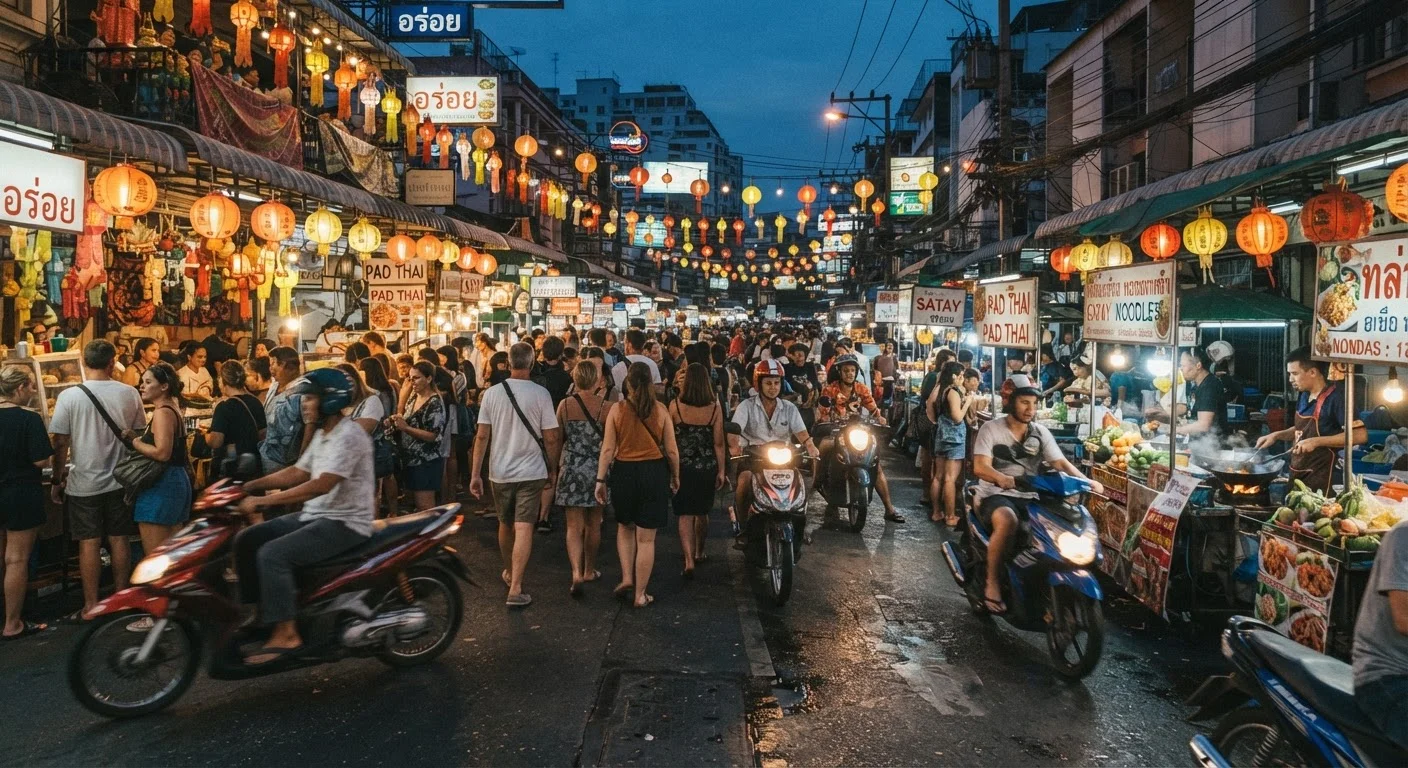
- Street food keeps costs low; restaurant meals aimed at tourists can triple your food spend quickly.
- Flights to and within Southeast Asia are often the single largest expense - budget accordingly before you arrive.
- Entry requirements, visa fees, and travel insurance add real costs that many first-time visitors forget to include.
- Travel style matters more than destination - a comfort-focused traveler will spend more anywhere in the region.
The 'Budget Destination' Label: What It Actually Means
Southeast Asia has carried the "budget travel" reputation for decades, and there's genuine truth behind it - but the label can set unrealistic expectations. Prices in the region are lower than in Western Europe, Japan, or Australia, but "affordable" is always relative to how you travel, not just where you go.
A traveler sleeping in dorm beds, eating street food, and taking overnight buses will have a radically different experience - and budget - than someone who prefers private rooms, air-conditioned restaurants, and internal flights. Both are valid approaches. The key is knowing which one describes you before you start planning.
For contrast, Japan travel myths that mislead first-time visitors explores how assumptions about affordability (in that case, the opposite direction) can derail planning. Southeast Asia has its own version of that problem: people underestimate costs and arrive underprepared.
Country-by-Country Cost Snapshot
Costs shift noticeably between countries - and even between cities within the same country. Here's a general picture based on reported traveler experiences across popular destinations:
- Vietnam: Consistently among the most affordable. Street meals for $1-$3, budget guesthouses for $8-$18/night, and cheap intercity buses make this a strong option for cost-conscious travelers.
- Cambodia: Similar range to Vietnam. Siem Reap (home of Angkor Wat) has grown more tourist-oriented, but budget options remain plentiful outside peak areas.
- Thailand: Highly variable. Chiang Mai is still reasonably priced; Bangkok and Phuket have moved noticeably upmarket. Expect to spend more than in Vietnam, especially in beach resort zones.
- Indonesia (Bali): Bali has a two-tier economy. Canggu and Seminyak cater to a wealthier crowd; Ubud and Lombok offer more breathing room for modest budgets.
- Philippines: The value is real, but inter-island flights add up quickly. Budget for transport carefully.
$35-$55
Typical daily budget in Vietnam or Cambodia
Covers accommodation, street food, local transport, and basic activities for a cost-conscious traveler, based on widely reported backpacker spending ranges.
$60-$90
Daily spend in Bali or Phuket tourist zones
Equivalent comfort level costs more in heavily touristed areas; reported by budget travelers across travel forums and planning resources.
$8-$18
Average hostel dorm rate per night
Private dorm beds across popular Southeast Asian backpacker hubs, based on aggregated booking platform data ranges.
None of these figures account for your international flights, which are almost always the biggest single line item in any Southeast Asia trip budget.
Where Your Money Goes: The Real Budget Breakdown
Breaking costs into categories helps you see where flexibility actually lives:
- Accommodation
- Hostel dorms: roughly $8-$18/night. Private budget guesthouses: $18-$40. Mid-range hotels with air conditioning and private bathrooms: $40-$80. Boutique or resort-style stays: $100+.
- Food
- Street food and local markets are where the savings happen - $1-$5 per meal is realistic. Tourist-facing restaurants can run $10-$20 per meal, comparable to casual dining in the U.S.
- Transport
- Overnight sleeper buses between major cities: $10-$25. Budget regional airlines (common throughout Southeast Asia): $30-$100 per leg. Tuk-tuks, ride-hailing apps (Grab is widely used), and local buses fill shorter gaps cheaply.
- Activities
- Temple entrances, national parks, and guided tours vary widely. Angkor Wat's multi-day pass runs around $62 for three days. Many beach days, markets, and city walks cost nothing.
Book overnight sleeper buses or trains between major cities whenever practical - you save a night's accommodation cost while covering distance.
This is one of the most reliable ways budget travelers extend their trip length without inflating costs; the overnight bus between Hanoi and Hue, for example, is a well-worn route.
Download Grab (Southeast Asia's dominant ride-hailing app) before you land - it shows fixed prices upfront and eliminates fare negotiation at the airport.
Airport taxis in many Southeast Asian cities are notorious for unofficial surcharges; Grab's upfront pricing protects travelers and is widely available in Thailand, Vietnam, Indonesia, Malaysia, and the Philippines.
Hidden Costs Most Travelers Miss
This is where well-intentioned budgets quietly collapse. Why your trip budget falls apart covers this pattern in detail, but for Southeast Asia specifically, watch for:
- Visa fees: Several countries charge entry fees or require advance e-visas. These can range from $0 (Thailand for most U.S. passport holders) to $30-$50 for others. Policies change - always verify with official government or embassy sources before you travel.
- Travel insurance: Often skipped, almost never optional. A single medical evacuation in Southeast Asia can cost tens of thousands of dollars without coverage.
- ATM and currency fees: Many ATMs in the region charge per-transaction fees of $3-$7. These add up fast on a long trip.
- Souvenirs and activities creep: Small purchases accumulate. Build a discretionary buffer of at least 15-20% above your estimated total.
Matching Your Travel Style to the Right Destination
Budget alignment is really about self-awareness. Ask yourself honestly: Do you sleep well in shared dorms, or do you need a private room to recharge? Can you eat at plastic-stool street stalls daily, or do you need sit-down meals? Do you want to move quickly between places (more transport costs) or stay longer in fewer spots (lower transport, more time to settle)?
A rough benchmark: a genuinely budget-focused traveler in Vietnam or Cambodia can manage on $35-$55/day including accommodation, food, local transport, and a modest activity budget. The same traveler in Bali's tourist corridors or Phuket might need $60-$90/day for equivalent comfort.
If Southeast Asia feels intimidating as a first international trip, Europe for first-timers offers a useful contrast - different cost structure, different infrastructure, different planning logic.
Don't Underestimate the Cost of Moving Around
Internal travel is where many Southeast Asia budgets surprise people. Hopping between islands or countries sounds easy on a map but adds up fast - a short flight in the Philippines or Indonesia can cost as much as a full day's budget. Plan your routing before you book anything, and consider whether slower overland travel fits your schedule.
Building a Realistic Southeast Asia Trip Budget
Start with your flights - search fare aggregator tools and set price alerts rather than booking impulsively. Then work outward: accommodation style sets the floor for your daily rate, and everything else layers on top.
A simple framework: estimate your realistic daily spend by style (budget/mid-range/comfort), multiply by the number of days, add flights, visa costs, insurance, and a 20% buffer. If you haven't built a personal budget before, building your first monthly budget from scratch is a useful starting point for the underlying financial habits that make trip saving achievable.
One underused strategy: vary your accommodations. Stay in a hostel during high-activity city days and splurge slightly on a nicer room during slower beach or countryside stretches. This balances comfort and cost without forcing an all-or-nothing choice.
Southeast Asia genuinely rewards thoughtful planning. The value is real - it just requires going in with clear eyes about what "budget travel" actually looks like for your personal style and comfort level.
This article provides general travel information for educational purposes. Prices, visa requirements, and entry conditions change frequently - always verify current details with official government sources and your airline or accommodation provider before booking.