

Key Takeaways
- Oahu balances urban energy with beaches and is Hawaii's most accessible, budget-friendly island.
- Maui offers a polished resort experience with exceptional road-trip scenery and world-class snorkeling.
- Kauai is the most dramatically wild and remote-feeling island, best for hikers and nature lovers.
- The Big Island is unlike any other-volcanic landscapes, coffee farms, and snow-capped peaks coexist.
- Molokai and Lanai are quieter alternatives for travelers seeking solitude over tourist infrastructure.
- Your choice should hinge on your travel style, not just which island appears most on social media.
Our Verdict
No single Hawaiian island is the 'best'-each one rewards a specific kind of traveler. First-timers and budget-conscious travelers generally do well on Oahu. Honeymooners and beach lovers gravitate toward Maui. Hikers and scenery seekers find Kauai hard to beat. And anyone chasing a genuinely once-in-a-lifetime landscape should seriously consider the Big Island.
| Best for | Recommended |
|---|---|
| First-time visitors and travelers wanting variety | Oahu |
| Honeymooners and resort-style beach vacations | Maui |
| Hikers, photographers, and nature-first travelers | Kauai |
| Adventure seekers and volcanically curious explorers | Big Island |
Oahu: The Island That Does It All
Oahu is Hawaii's most populous and well-connected island, home to Honolulu, Waikiki Beach, and the Pearl Harbor National Memorial. It handles roughly 60% of all Hawaii visitors-and there's a reason for that. Inter-island flights are frequent, hotels cover every price range, and public transportation actually works here. You don't need a rental car to have a full trip, which matters enormously for budget travelers.
Beyond the famous Waikiki strip, Oahu has genuine depth: the windward coast near Kailua is locals-favorite beach territory, the North Shore delivers world-class surf in winter months, and the Ko'olau Mountains offer serious hiking within 30 minutes of downtown. If this is your first time to Hawaii-or you're traveling with people who have wildly different wish lists-Oahu accommodates everyone without demanding a compromise.
Consider island-hopping strategically
Inter-island flights in Hawaii are short (often under an hour) and can be very reasonable when booked in advance. Pairing Oahu with Kauai or Maui with the Big Island lets you experience meaningfully different landscapes in a single trip. That said, back-to-back hotel check-ins add fatigue-give yourself at least three nights on each island before you move on.
Maui: Polished, Scenic, and Built for Romance
Maui earns its reputation as Hawaii's premier resort island. The Road to Hana is one of the most celebrated scenic drives anywhere in the United States-a 64-mile stretch of rainforest, waterfalls, and lava-rock coastline. Haleakalā National Park lets you watch sunrise above the clouds from a 10,023-foot dormant volcanic crater. And Molokini Crater, a partially submerged volcanic caldera just offshore, offers snorkeling visibility that experienced divers describe as exceptional.
The flip side: Maui is expensive. West Maui's resort corridor (Kāʻanapali, Kapalua) rivals any Hawaiian destination for nightly hotel rates. Travelers who want an immersive, curated experience and don't mind paying for it will feel right at home. Those watching their budget closely may find the math challenging outside shoulder seasons.
| Oahu | Maui | Kauai | Big Island | |
|---|---|---|---|---|
| Best for | First-timers, city lovers | Romance, resorts | Hiking, nature | Adventure, geology |
| Relative cost | Moderate | High | Moderate-high | Moderate-high |
| Car rental needed | Optional | Recommended | Recommended | Essential |
| Nightlife & dining | Extensive | Good | Limited | Moderate |
| Signature experience | Waikiki & North Shore | Road to Hana | Na Pali Coast | Active volcanoes |
| Pace | Lively | Relaxed-resort | Slow, quiet | Varied by coast |
Kauai: The Garden Isle for Those Who Mean It
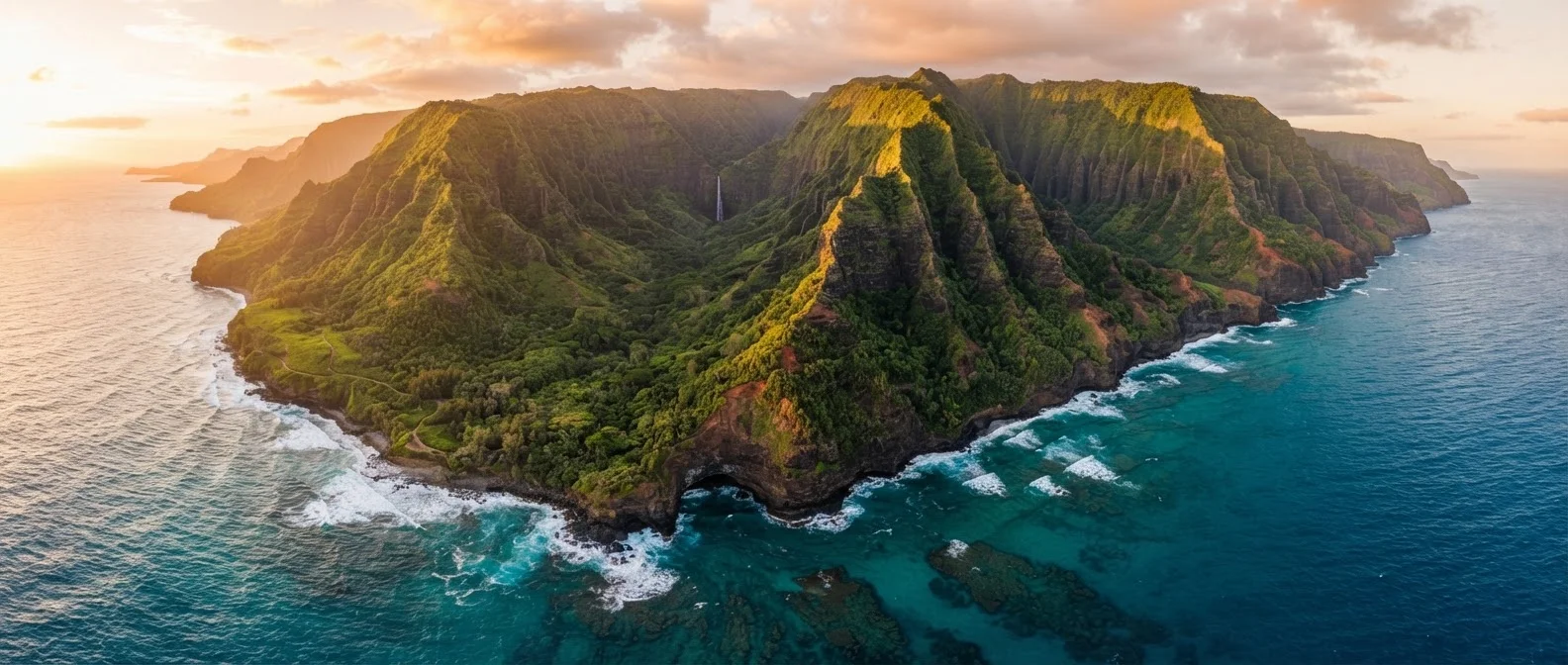
Kauai is the oldest of the main Hawaiian islands geologically, and it shows-the landscape is extravagantly lush, deeply eroded, and genuinely wild in ways the other islands aren't. The Na Pali Coast (accessible by boat, helicopter, or the strenuous 11-mile Kalalau Trail) is one of the most photographed coastlines on the planet for good reason. Waimea Canyon, sometimes called the Grand Canyon of the Pacific, stretches over 10 miles and drops 3,600 feet.
Kauai resists over-tourism partly by design-there are no high-rise hotels, and the north shore road literally ends at Ke'e Beach. That's a feature, not a flaw. Travelers who want solitude, trail time, and a slower pace will love it. Those who want a packed activity itinerary or lively nightlife may feel the island runs out of entertainment options quickly.
Big Island: Where the Planet Feels Alive
Officially named Hawaiʻi Island, the Big Island is larger than all the other main Hawaiian islands combined-and it contains 11 of the world's 13 climate zones. You can drive from a black-sand beach to a snow-dusted summit on Mauna Kea (13,796 feet) in the same afternoon. Hawaiʻi Volcanoes National Park offers the extraordinary experience of watching an active volcanic landscape shift in real time.
The Kona and Kohala coasts on the western side offer dry, sunny weather and upscale resorts, while the Hilo side on the east is wetter, greener, and far more affordable. Coffee farms, manta ray night dives, and some of Hawaii's most significant cultural and historical sites round out an island that rewards slow, curious exploration. It's not the easiest island to navigate-distances are long and a rental car is essentially required-but for the right traveler, it's unforgettable.
Molokai and Lanai: Hawaii Without the Crowd
If all four major islands feel too developed, Molokai and Lanai offer genuinely different experiences. Molokai has no traffic lights, no resort hotels, and a deeply local culture-visitors are welcome but the island hasn't reshaped itself around tourism. The sea cliffs along the north shore are among the tallest in the world. It's a destination for travelers who want to see Hawaii as it exists for the people who live there.
Lanai, by contrast, is small and largely privately held, with two high-end resort properties and a small town. It draws travelers seeking exclusivity and quiet rather than activities. Day-trippers from Maui via ferry get a taste; those who stay overnight find remarkable stargazing, uncrowded beaches, and an almost eerie stillness that's hard to find anywhere else in the chain.
Travel conditions, entry requirements, and local regulations can change. Always verify current information with official state and federal sources before planning your trip.