

Key Takeaways
- An active fixed-term lease is typically legally binding on a new property owner.
- Month-to-month tenants may receive a notice to vacate sooner than fixed-term tenants after a sale.
- Your security deposit must transfer to the new owner and remains your property.
- Rent control protections, where they exist, generally survive a change of ownership.
- Always get the new landlord's contact information in writing as soon as possible after a sale.
Sale of a Rental Property
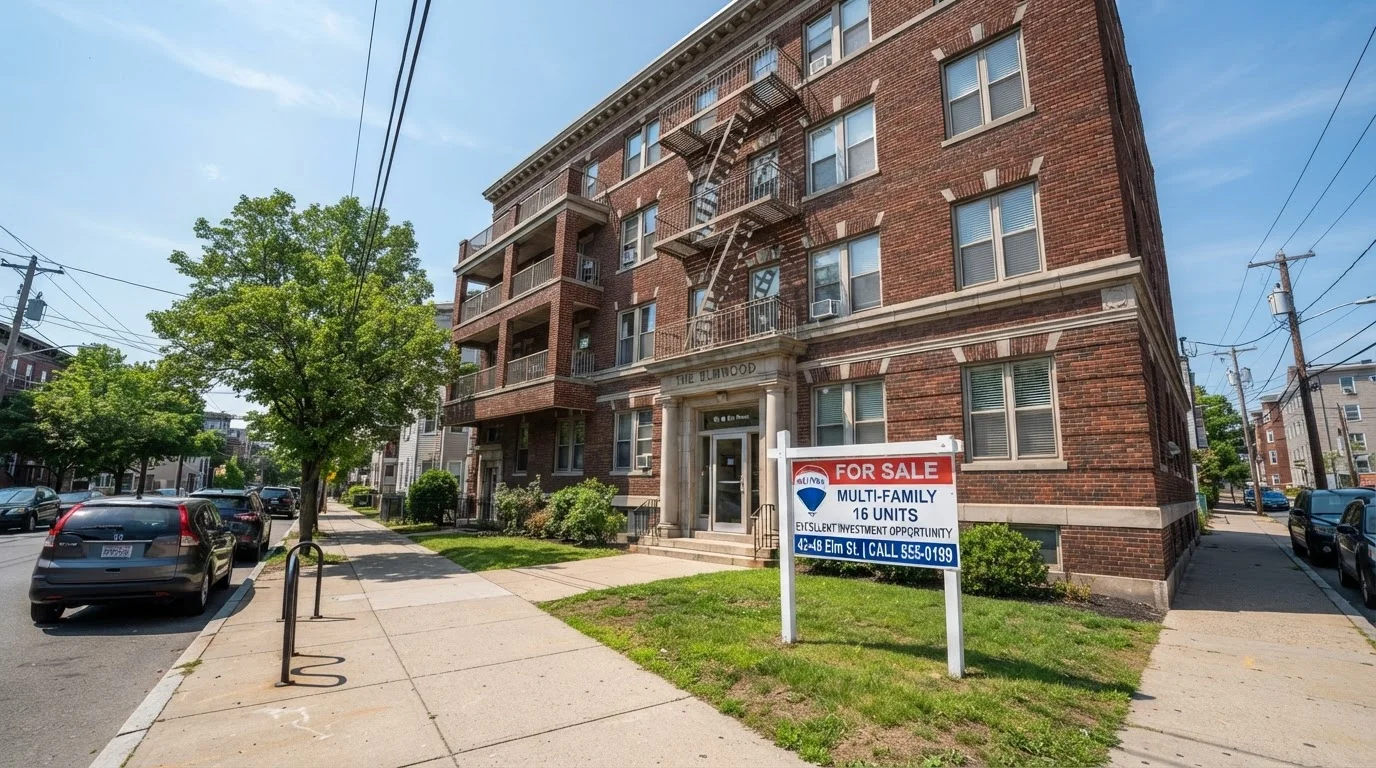
When a landlord sells the building you live in, ownership transfers to a new party - but your lease does not automatically disappear. In most cases, the new owner steps into the previous landlord's shoes and must honor the terms of any active lease agreement. Your right to remain in the unit, pay the agreed rent, and receive proper notice before any changes generally carries over to the new owner.
This principle is sometimes called 'lease runs with the land,' meaning the lease agreement is tied to the property itself, not to the individual who owned it at the time you signed.
Your Lease Doesn't Disappear at Closing
One of the most important things to understand as a renter is that a change in property ownership does not erase your lease. When a landlord sells a building, the new owner purchases the property subject to existing tenancy agreements. That means the lease you signed - including your rent amount, maintenance obligations, and end date - becomes the new owner's responsibility to honor.
This protection is especially strong for fixed-term leases (typically 12-month agreements). If you have four months left on a lease and the building sells, the new owner generally cannot demand you leave before that term ends, raise your rent mid-lease (unless the lease explicitly permits it), or change the material terms of your agreement without your consent.
For a deeper look at how these two lease types compare in terms of stability and flexibility, see our guide to month-to-month vs. fixed-term leases.
When You Might Be Asked to Sign an Estoppel Certificate
During a building sale, a lender or buyer may ask tenants to sign an estoppel certificate - a document confirming the current terms of your tenancy. Review it carefully before signing, since it serves as a legal record of your rent, lease dates, and any disputes. If any information on the certificate is inaccurate, note the discrepancy in writing before signing. Your lease may specify whether you are required to sign one.
Month-to-Month Tenants Face More Uncertainty
If you rent on a month-to-month basis - meaning your lease renews automatically each month with no fixed end date - a building sale can affect your housing stability more quickly. A new owner who wants to renovate, move in, or simply choose different tenants has more flexibility to issue a notice to vacate.
That said, the new owner still must comply with your state's required notice period before you are required to leave. In most states, this is at least 30 days; many require 60 days, and some localities require even more, especially if you've lived there for a year or longer. Always check your specific state and city rules, since tenant protections vary considerably across the US.
Month-to-month renters may also want to read up on their options when it comes to negotiating lease terms - particularly the ability to convert to a fixed-term lease if a new owner is open to it.
What Happens to Your Security Deposit
Your security deposit does not belong to the previous landlord to keep after a sale. State laws generally require that security deposits either transfer to the new owner or be returned to the tenant at the time of sale. In practice, most deposits transfer with the property.
As a renter, you should:
- Request written confirmation from both the old and new landlord confirming who holds your deposit.
- Verify the amount on record matches what you originally paid.
- Keep all original receipts, bank records, or emails showing the deposit amount.
When you eventually move out, the new owner - not the original landlord - is responsible for returning the deposit within the timeframe required by your state. For a full breakdown of how deposit returns work, see our guide to moving out without losing your deposit.
44M+
Renter-occupied housing units in the US
According to the US Census Bureau's American Community Survey, more than 44 million households in the United States rent their homes, underscoring how widely sale-of-building situations can affect renters.
~50%
States with specific security deposit transfer laws
Roughly half of US states have explicit statutes addressing how security deposits must be handled during a property sale, according to legal aid organizations that track tenant protection laws.
30-60
Typical notice days required for month-to-month tenants
Most US states require landlords - including new owners - to provide between 30 and 60 days' written notice before terminating a month-to-month tenancy, though some jurisdictions require longer periods.
Rent Control and Local Tenant Protections
If you live in a city or state with rent control or rent stabilization laws, those protections generally survive a change of ownership. A new landlord cannot use a building sale as a reason to bypass the local rules that cap how much - and how often - your rent can be raised.
Similarly, local just-cause eviction laws (which require a landlord to have a specific, permitted reason to end a tenancy) apply to new owners just as they did to the original landlord. The new owner inherits both the rights and the obligations that come with owning a rental property in your jurisdiction.
If you are unfamiliar with common lease and rental vocabulary, the essential rental terms glossary is a useful reference for understanding concepts like estoppel certificates, holdover tenancy, and just-cause eviction.
This article is for general informational and educational purposes only and does not constitute legal advice. Tenant rights vary by state and locality. Consult a qualified housing attorney or local tenant rights organization for guidance specific to your situation.
Document Everything After a Sale
As soon as you learn your building has been sold, put your name, unit number, lease end date, rent amount, and deposit amount in writing and send it to the new owner or property manager. Request written confirmation of who now holds your deposit. Keeping a paper trail protects you if any disputes arise later about the terms of your tenancy.