

Key Takeaways
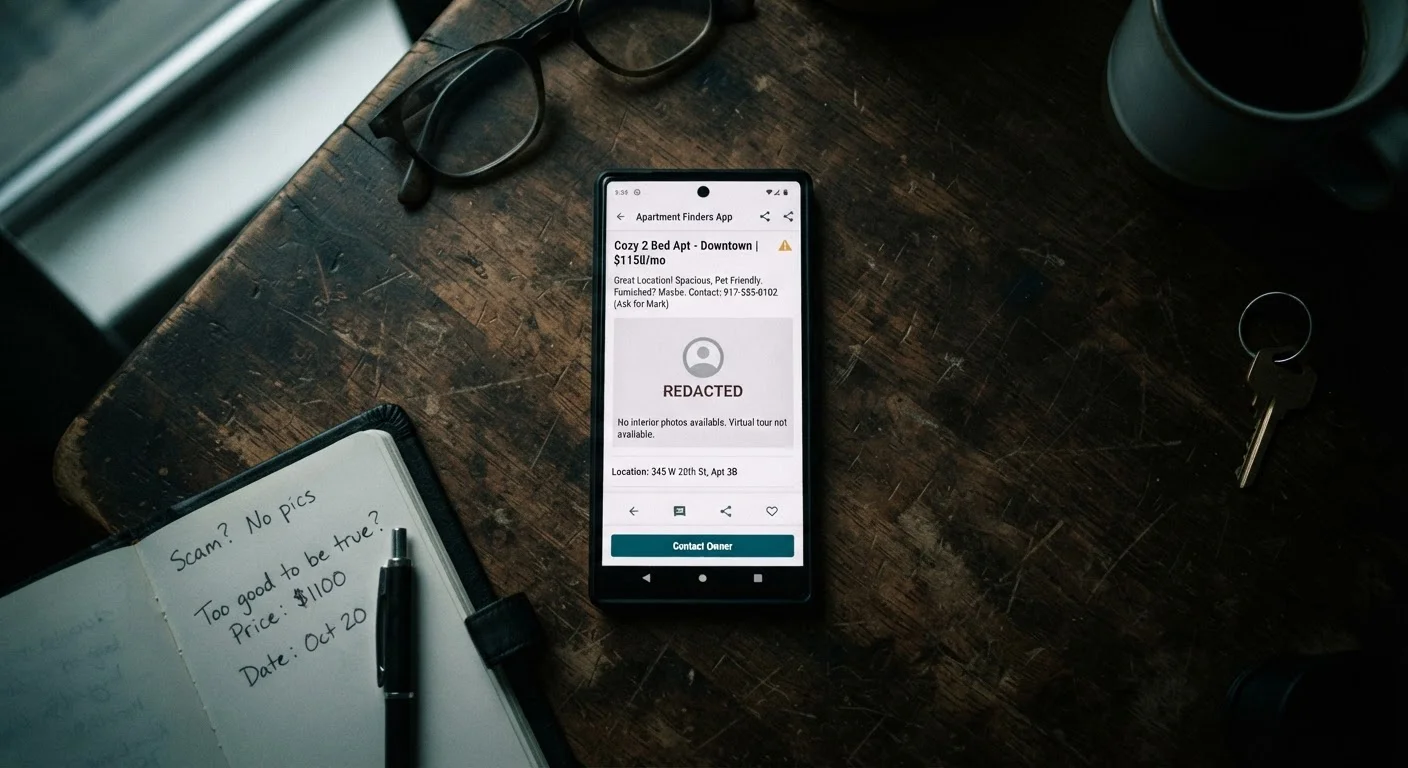
- Listings with no interior photos or stock images are a common signal that something may be off.
- Pressure to decide quickly or pay a deposit before viewing the unit is a serious warning sign.
- Vague pricing, missing landlord details, and inconsistent addresses each deserve careful follow-up.
- Cross-checking listing details against public records and maps can reveal discrepancies early.
- A thorough read of any lease before signing helps catch terms that don't match what was advertised.
Why Rental Listings Deserve More Scrutiny Than They Get
Searching for an apartment can feel like a race - inventory moves fast and competition is real. That urgency, however, can push renters to skim listings rather than read them carefully. A polished headline and a low monthly rate can mask details that signal a problematic landlord, an inaccurate description, or, in some cases, an outright scam.
The good news is that most red flags follow predictable patterns. Learning to spot them before you tour - or worse, before you apply - costs nothing and can save you considerable time and money. This list walks through the warning signs that are easiest to overlook, along with what to do when you encounter them. For a broader look at the full rental journey, see our complete guide to renting an apartment.
No interior photos - or only stock images
A legitimate listing for an available unit almost always includes real photos of the actual space. If a listing shows only exterior shots, generic room images, or photos that look too polished to be candid, that's worth questioning. Reverse image search tools can help you check whether photos appear elsewhere online under a different address.
Ask the landlord or property manager directly for current, unit-specific photos. A reasonable landlord will provide them without hesitation.
If photos look stock-perfect or there are none at all, verify they show the actual unit.
Vague or inconsistent pricing
Listings that say "price negotiable" or show a wide range (e.g., "$1,200-$1,800/month") without explaining the difference can signal that key details are missing - or that the advertised price isn't what you'll actually pay. Similarly, watch for listings where the rent sounds unusually low for the neighborhood. Compare the listed price against other units in the same zip code to gauge whether it's realistic.
Unexplained price gaps between the listing and what the landlord quotes in conversation are a reason to ask pointed questions before going further.
A rent that seems significantly below market rate for the area deserves a clear explanation.
Pressure to decide or pay quickly
"I have five other applicants" or "I need a deposit by tonight" are phrases designed to short-circuit careful decision-making. While competitive rental markets do move fast, a landlord who refuses to give you reasonable time to review the lease, verify the property, or ask questions is a concern in itself. Legitimate landlords understand that applicants need time to make an informed decision.
Never wire money or pay a deposit before you have physically toured the unit, confirmed the landlord's identity, and reviewed a written lease agreement.
Never send a deposit before you've toured the unit and reviewed a written lease.
Missing or unverifiable landlord contact information
A listing that provides only an email address - especially a free webmail account with a generic name - with no phone number, company name, or verifiable identity is harder to trust. Search the name and contact details provided against public records, the property's county assessor page, or a quick web search. If you can't confirm that the person listing the property has a legitimate connection to it, that's a meaningful gap.
Property management companies should have a verifiable business presence. Private landlords should be willing to confirm their identity and ownership.
Always verify that the person listing the property can demonstrate a legitimate connection to it.
The address doesn't match the photos or description
Look up the listed address on a mapping service with street-level imagery and compare what you see to the photos in the listing. Discrepancies - a different building style, wrong number of floors, or a neighborhood that doesn't match the described amenities - are a signal that the listing may have been copied from another property or fabricated entirely. This tactic is associated with rental fraud, where a scammer lists a real address for a property they don't control.
Cross-check the listed address against street-level mapping tools before you tour or apply.
Lease terms that contradict the listing
Occasionally a listing advertises pet-friendly, utilities included, or flexible move-in dates - but the actual lease says otherwise. Always request the lease before paying any application fee, and read it carefully for terms that don't align with what was advertised. Discrepancies between the marketing copy and the legal document are not minor oversights; the lease is the binding agreement, and it takes precedence.
If a landlord is unwilling to share the lease until after you've paid an application fee, ask why. That reluctance itself is worth noting. This same principle of reading before you commit applies in other financial contexts - see our article on checking contract terms before you sign.
The lease is the binding document - any conflict with the listing's claims should be resolved in writing.
What to Do Before You Apply
Spotting red flags in a listing is only the first step. Before submitting any application or paying any fee, take time to verify the landlord's identity, confirm the address exists and matches the photos using a mapping tool, and search public property records to check who actually owns the unit. If something in the listing still doesn't add up after that, trust your instincts and move on.
Document Everything From the Start
Save screenshots of the original listing, including photos and stated price, before you tour or apply. If anything changes between the listing and the lease, you'll have a record of what was originally advertised. This documentation can also be useful if a dispute arises over a security deposit or advertised amenity.
Keep in mind that your credit profile will also be a factor in the process. Reviewing it ahead of time - as outlined in our credit check guide - helps you understand where you stand before a landlord pulls your report. And once you've found a legitimate listing and are ready to move forward, know that some lease terms may still be open to discussion. Our guide on negotiating lease terms explains how to approach that conversation professionally.